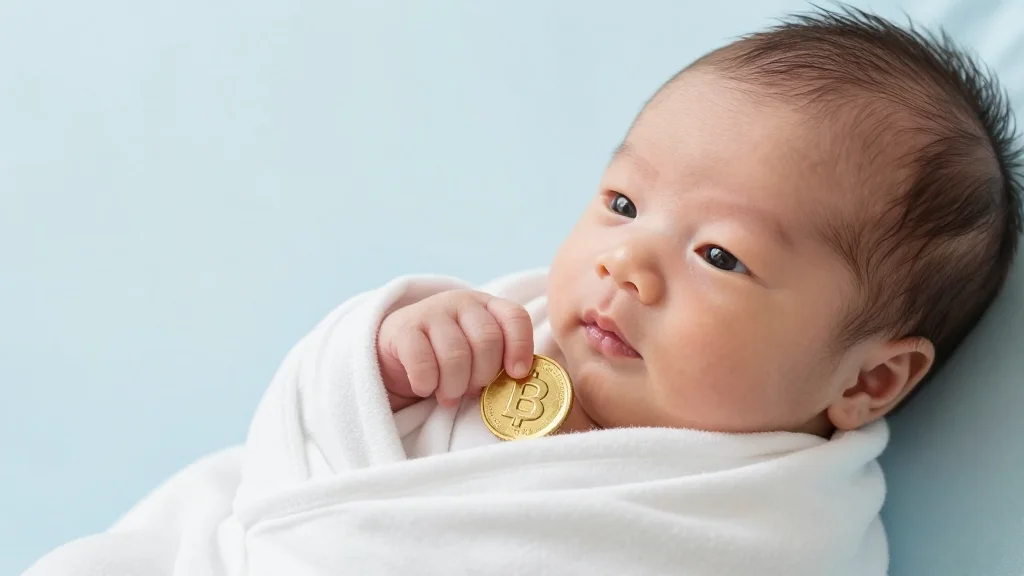
U.S. Birth Rate Falls as Trump Administration Rolls Out $1,000 Baby Bonus

Why It Matters
A sustained decline in the U.S. birth rate threatens the country’s future labor force, tax base, and long‑term economic growth. Policymakers argue that boosting fertility can mitigate the looming shortfall of working‑age adults needed to support an aging population. At the same time, the debate highlights how political rhetoric can clash with complex socioeconomic realities, forcing lawmakers to consider more comprehensive family‑support measures beyond cash bonuses. If the Trump administration’s incentives prove ineffective, future leaders may need to address deeper issues such as affordable childcare, housing security, and parental leave policies. The outcome will shape not only demographic trends but also the political narrative around family values and economic competitiveness in the United States.
Key Takeaways
- •U.S. birth rate fell to 1.71 children per woman, staying below replacement level.
- •Trump administration introduced a $1,000 per‑baby cash bonus invested in a stock fund.
- •IVF drug subsidies aim to lower costs of a procedure that can exceed US$20,000 per cycle.
- •Republican officials, including Karoline Leavitt and J.D. Vance, highlighted personal births as political proof points.
- •Demographers warn financial incentives alone may not overcome broader barriers to higher fertility.
Pulse Analysis
The Trump administration’s baby‑bonus scheme is a classic example of demand‑side stimulus applied to demography. Historically, cash incentives have yielded modest, short‑lived increases in fertility, as seen in France’s 2000s family‑allowance reforms and Russia’s 2007 "mother’s capital" program. Those successes were paired with robust childcare infrastructure and parental‑leave guarantees, which the current U.S. proposal lacks. Without addressing the high cost of living and limited access to affordable childcare, the $1,000 bonus risks becoming a symbolic gesture rather than a catalyst for sustained birth‑rate growth.
Moreover, the political framing of the baby boom as a partisan achievement may polarize public opinion. While Republican leaders use personal family expansions to illustrate policy efficacy, the broader electorate remains concerned about systemic support. If the incentive fails to move the needle, it could reinforce skepticism about top‑down demographic engineering and shift the conversation toward more holistic family‑policy reforms.
Looking forward, the real test will be the 2026 Census data and subsequent fertility trends. Should the bonus generate a measurable uptick, it could embolden future administrations to experiment with larger, perhaps tax‑credit‑based, family incentives. Conversely, a negligible impact would likely prompt a reevaluation of how the U.S. addresses its demographic challenges, potentially ushering in bipartisan efforts to expand paid parental leave, subsidize childcare, and improve housing affordability—measures that research consistently links to higher fertility rates.
U.S. Birth Rate Falls as Trump Administration Rolls Out $1,000 Baby Bonus
Comments
Want to join the conversation?
Loading comments...