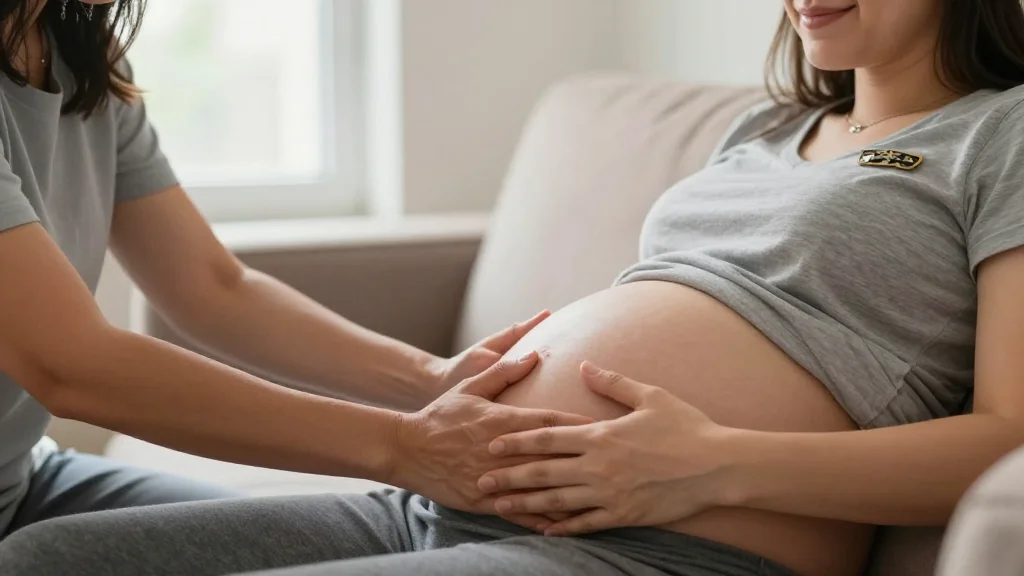
VA Launches Warrior Moms Doula Program to Support Veteran Mothers

Why It Matters
Veteran mothers face a distinct set of health challenges, including higher rates of gestational diabetes, hypertension, and mental‑health stressors linked to military service. By integrating doula support directly into VA maternity services, the Warrior Moms program tackles both medical and psychosocial dimensions of maternal health, potentially reducing complications and improving long‑term outcomes for both mothers and infants. Moreover, the community‑building aspect helps mitigate the isolation many women veterans experience, fostering peer support that can translate into better adherence to prenatal care and postpartum follow‑up. If successful, the program could serve as a template for other federal health systems seeking to blend clinical care with culturally resonant support networks. The emphasis on in‑person engagement also signals a shift away from an overreliance on telehealth, acknowledging that certain aspects of maternal care—emotional reassurance, hands‑on assistance, and shared lived experience—require physical presence.
Key Takeaways
- •Miami VA launched the D.O.U.L.A.S. doula program for women veterans in the Maternity Care Program.
- •Program includes in‑person doula support, a Warrior Moms photo‑shoot, and community events.
- •Andrea Miller, lead maternity care coordinator, highlighted continuity of care and peer engagement.
- •Veteran mothers report feeling seen, appreciated, and less isolated through the initiative.
- •VA plans to expand the Warrior Moms model to additional facilities nationwide.
Pulse Analysis
The VA’s Warrior Moms initiative arrives at a moment when maternal health disparities among women veterans are gaining policy attention. Historically, the VA’s focus has been on combat‑related injuries and mental‑health services, leaving a gap in gender‑specific care. By embedding doulas—a proven intervention that reduces labor complications and improves breastfeeding rates—into its maternity pipeline, the VA not only aligns with evidence‑based practice but also differentiates itself from civilian health systems that often lack coordinated veteran‑focused resources.
From a strategic perspective, the program leverages existing VA infrastructure (the Maternity Care Program) while adding a low‑cost, high‑impact layer of support. Doula services are typically reimbursed at modest rates, meaning the VA can scale the model without massive budgetary strain. The community‑building events, such as the Warrior Moms photo‑shoot, serve a dual purpose: they generate positive public relations for the VA and create a sense of belonging that can improve retention in prenatal care programs. This holistic approach may set a precedent for other federal agencies to incorporate peer‑support mechanisms into health initiatives.
Looking forward, the success of Warrior Moms will likely be measured by concrete health metrics—rates of preterm birth, postpartum depression, and patient satisfaction scores. If the data show measurable improvements, Congress may be more inclined to fund expanded doula services across the VA system, potentially influencing broader federal health policy. Conversely, if outcomes fall short, the program could prompt a reevaluation of how best to deliver gender‑specific care within a large, bureaucratic organization.
VA Launches Warrior Moms Doula Program to Support Veteran Mothers
Comments
Want to join the conversation?
Loading comments...