Viral TikTok Videos Prompt Moms to Spot Early Development and Postpartum Anxiety Signals

Companies Mentioned
Why It Matters
These viral videos illustrate how everyday parenting moments, when amplified on platforms like TikTok, can surface critical health signals that might otherwise go unnoticed. Early identification of developmental delays enables interventions that improve language, social, and academic outcomes. Simultaneously, bringing postpartum anxiety into the public eye reduces stigma, encouraging mothers to seek professional help, which can prevent chronic mental‑health conditions and improve family well‑being. The ripple effect extends to healthcare providers, who must adapt to a digital‑first environment where parents arrive armed with viral content and specific concerns. Moreover, the phenomenon signals a shift in how health information spreads: peer‑generated content can complement, but also challenge, traditional medical advice. Policymakers and health systems will need to consider how to harness this grassroots awareness while ensuring accurate, evidence‑based guidance reaches families navigating these complex issues.
Key Takeaways
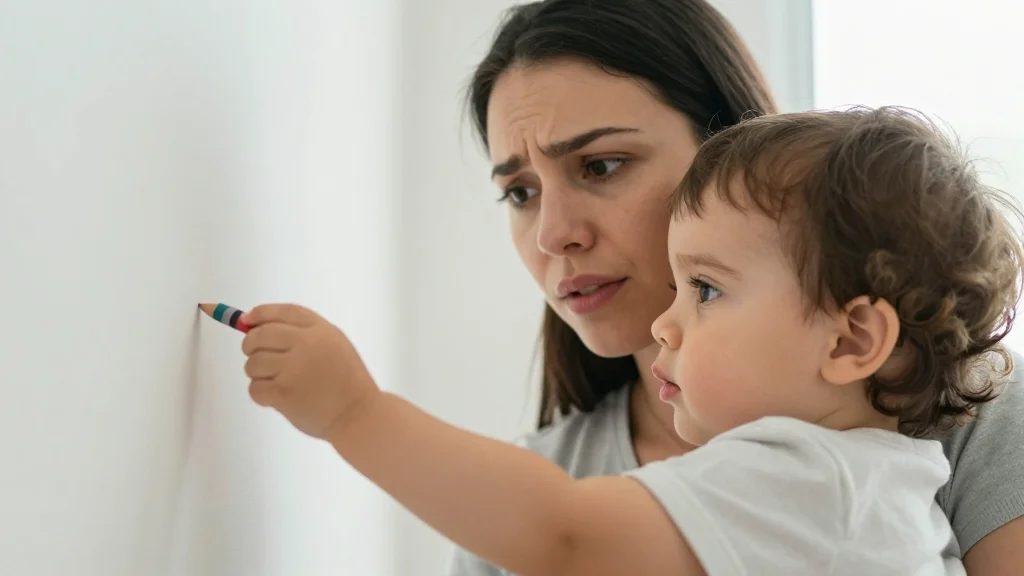
- •Felicity Johnson's TikTok of her 2‑year‑old drawing on walls has over 3.2 million views.
- •Kate Ruggiero's postpartum‑anxiety video has surpassed nine million views on TikTok.
- •Both videos sparked nationwide discussions on early developmental red flags and maternal mental health.
- •Experts warn that quiet behavior in toddlers can signal speech or social delays.
- •Postpartum anxiety remains under‑diagnosed; public sharing may boost help‑seeking.
Pulse Analysis
The convergence of viral parenting content and health discourse marks a pivotal moment for both pediatric and mental‑health fields. Historically, early‑childhood developmental screening relied on periodic well‑child visits, but the immediacy of TikTok allows parents to flag concerns in real time. This democratization of observation could lead to higher screening rates, yet it also risks misinformation if viewers misinterpret normal variability as pathology. Healthcare providers must therefore develop rapid response frameworks—perhaps integrating AI‑driven triage tools that parse viral content for red‑flag language and direct families to appropriate services.
On the maternal side, postpartum anxiety has long been eclipsed by postpartum depression in public awareness campaigns. Ruggiero’s candid recounting underscores a gap: anxiety manifests differently, often through hyper‑vigilance and intrusive thoughts, and may not trigger the same screening protocols. The viral reach of her video suggests a latent demand for resources tailored to anxiety, prompting insurers and clinics to expand coverage for therapy and medication beyond depression.
Looking ahead, the parenting ecosystem will likely see a rise in hybrid care models that blend digital community support with professional oversight. Platforms could partner with pediatric societies to embed vetted checklists within viral videos, turning a moment of humor or vulnerability into a concrete call to action. As the line between social media and health education blurs, the onus will be on both creators and clinicians to ensure that the momentum generated by these viral moments translates into measurable improvements in child development outcomes and maternal mental‑health recovery.
Viral TikTok Videos Prompt Moms to Spot Early Development and Postpartum Anxiety Signals
Comments
Want to join the conversation?
Loading comments...