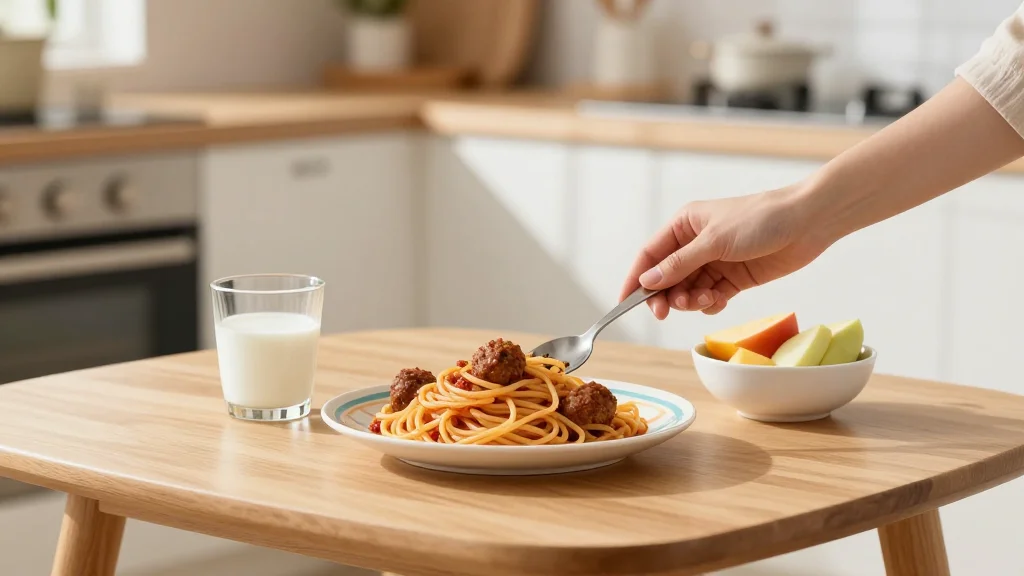
We Take Turns Hosting Kids-Only Dinners with Our Neighbors. It Gave My Kids the Closest Thing to an Extended Family They've Had.
Why It Matters
The model demonstrates how low‑cost, neighbor‑driven initiatives can alleviate parental burnout and child social isolation, offering a scalable template for urban community building.
Key Takeaways
- •Weekly kids-only dinners give parents regular personal time.
- •Children gain trusted adult mentors beyond parents and teachers.
- •Neighboring families form a micro‑community, reducing isolation.
- •Simple meals foster child‑led social interaction and cooperation.
Pulse Analysis
Parental burnout has become a defining challenge for modern families, especially in dense urban environments where extended family support is scarce. Rotating kids‑only dinners tap into a growing trend of hyper‑local community solutions that require minimal financial outlay yet deliver significant psychological relief. By designating a single evening for parents to step away while children socialize under the watchful eye of neighboring adults, families reclaim personal time without sacrificing childcare quality.
Research in child development underscores the value of consistent, trusted adult figures beyond parents and teachers. The informal setting of these dinners encourages peer negotiation, collaborative play, and emotional expression, all of which bolster social competence and resilience. Children learn to navigate group dynamics, share responsibilities, and articulate feelings in a safe space, reducing the risk of isolation that many urban kids experience. For parents, knowing their child is engaged with a familiar, caring adult network provides peace of mind and strengthens inter‑family bonds.
Implementing a similar program requires only clear communication, a simple schedule, and a rule against pre‑dinner cleanup to keep logistics light. Families can start by mapping nearby households with children of similar ages, rotating hosting duties, and establishing basic guidelines for meals and supervision. As participation grows, neighborhoods may see ancillary benefits such as shared grocery purchases, collective meal planning, and even small local economies around kid‑focused activities. This grassroots approach illustrates how modest, coordinated efforts can generate lasting social infrastructure, turning ordinary dinner tables into pillars of community resilience.
We take turns hosting kids-only dinners with our neighbors. It gave my kids the closest thing to an extended family they've had.
Comments
Want to join the conversation?
Loading comments...