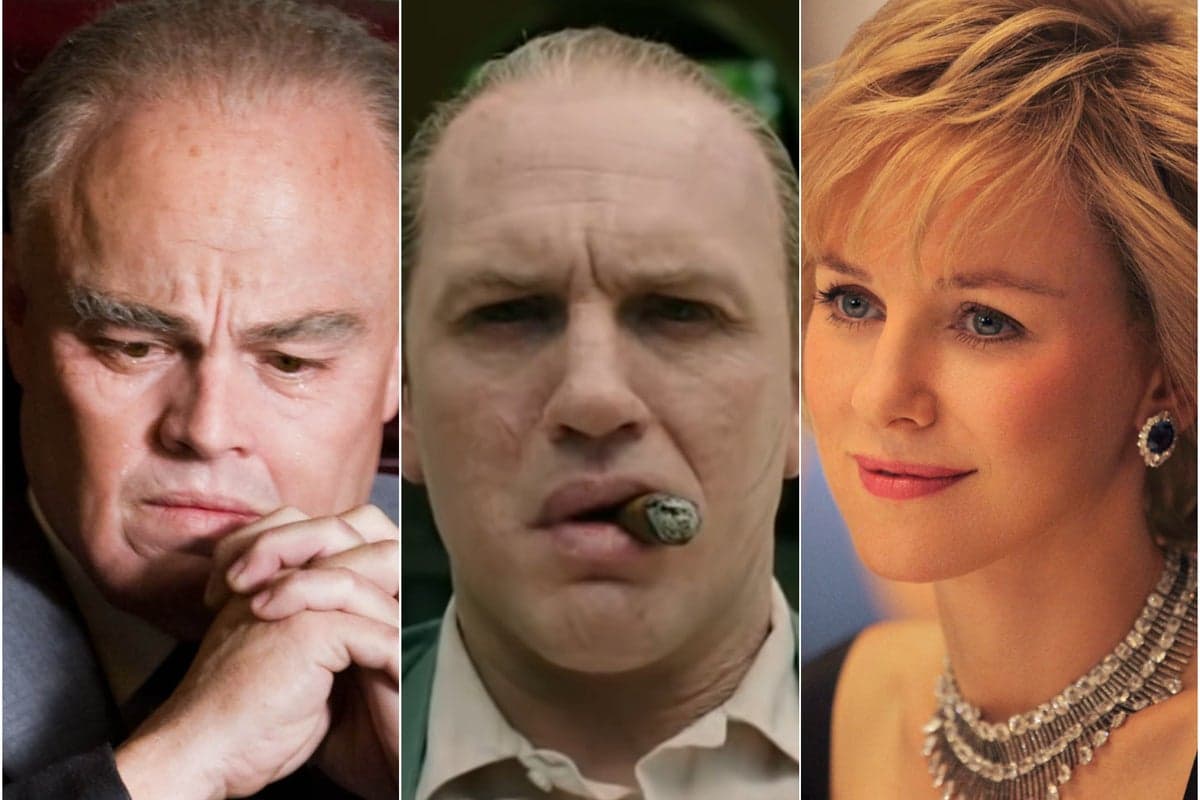
17 Terrible Performances by Brilliant Actors
Why It Matters
These missteps illustrate how a single poor role can tarnish an otherwise stellar reputation and influence award narratives, highlighting the high stakes of casting decisions in Hollywood. For industry watchers, the pattern signals that audience expectations now extend beyond marquee names to the overall integrity of a project.
Key Takeaways
- •Tom Hanks' 'Duster' role mocked for off‑key Irish accent
- •Nicolas Cage's 'Wicker Man' remake deemed laughable excess
- •Halle Berry won a Razzie for 'Catwoman' after Oscar win
- •Al Pacino's cameo in 'Jack and Jill' felt self‑deprecating
- •Idris Elba's 'Cats' Macavity hampered by CGI and miscasting
Pulse Analysis
Even the most celebrated actors occasionally land in cinematic misfires, a phenomenon driven by a mix of artistic risk‑taking and misaligned production choices. When a star’s name is attached to a shaky script or a director’s overambitious vision, the result can be a performance that feels forced, miscast, or simply out of step with audience expectations. The list of 17 notorious turns shows that talent alone cannot rescue a film plagued by tonal inconsistency, poor editing, or ill‑conceived special effects, and it underscores the growing scrutiny actors face in the era of instant online commentary.
The fallout from these high‑profile flops extends beyond box‑office numbers. Razzie nominations, social‑media ridicule, and even Academy Award snubs can reshape an actor’s marketability, prompting studios to weigh the reputational risk of attaching a big name to a risky project. For performers like Halle Berry or Robert Downey Jr., a single poorly received role can become a cultural touchstone that overshadows prior accolades, influencing future casting negotiations and the types of scripts they are offered. Audiences now expect consistency, and a misstep can erode the trust built over years of acclaimed work.
For the industry, the pattern serves as a cautionary tale about the balance between star power and substantive storytelling. Studios are increasingly vigilant about aligning talent with material that showcases their strengths, while actors are more selective, often leveraging past successes to secure roles that reinforce their brand. The conversation around these infamous performances also fuels broader debates about the value of creative experimentation versus commercial viability, reminding stakeholders that even legends must navigate the fine line between daring choices and career‑sustaining decisions.
17 terrible performances by brilliant actors
Comments
Want to join the conversation?
Loading comments...