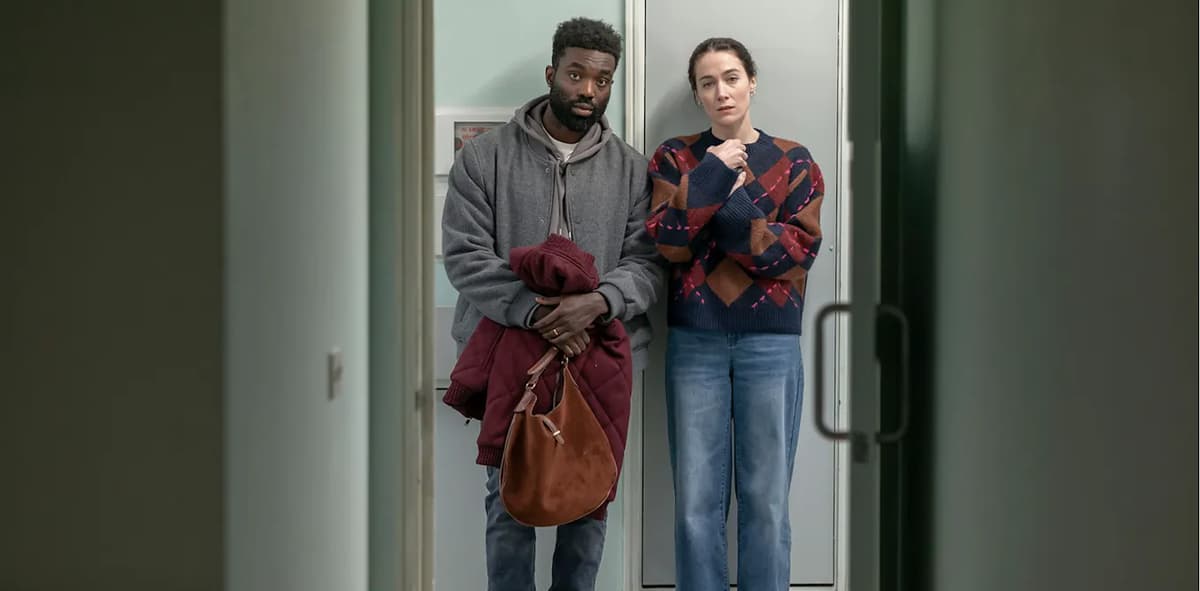
Babies: Raw, Nuanced, Real – What This BBC Drama Gets Right About Recurrent Miscarriage
Companies Mentioned
Why It Matters
By bringing recurrent miscarriage into mainstream media, the series validates the experiences of many families and pressures healthcare providers to improve compassionate care. It also sparks broader societal dialogue about reproductive loss, a topic traditionally stigmatized.
Key Takeaways
- •Drama depicts recurrent miscarriage with raw emotional depth
- •Physical symptoms shown only in later episodes, enhancing realism
- •Clinical interactions appear insensitive, sparking debate on NHS care
- •Collaboration with Tommy’s Charity improves accuracy and sensitivity
- •Highlights need for broader public conversation on miscarriage
Pulse Analysis
"Babies" arrives at a moment when reproductive health narratives are expanding beyond fertility success stories to include loss. The drama’s deliberate, almost meditative pacing mirrors the uncertainty couples face when trying to conceive, allowing viewers to sit with the emotional turbulence that research shows can persist for months or years. By foregrounding the couple’s oscillation between hope and despair, the series underscores how miscarriage is not a singular event but a prolonged grieving process that can affect work performance, relationships, and mental health.
The third miscarriage scene marks a turning point in the series, shifting from abstract sorrow to visceral realism. Brief yet powerful visual cues—blood, audible pain, frantic calls for emergency help—convey the physical intensity that many media portrayals omit. This aligns with clinical findings that miscarriage often involves significant bleeding and pain, contradicting the sanitized depictions common in popular culture. However, the show’s limited exploration of medical options, such as evacuation for retained products of conception (ERPC), leaves a gap in public understanding of available care pathways and patient agency.
Critics note the series’ portrayal of healthcare professionals as brusque, reflecting lingering concerns about NHS sensitivity. While recent research indicates improvements in compassionate miscarriage care, the drama’s stark doctor interactions may reinforce outdated stereotypes. The involvement of Tommy’s Charity, a leading miscarriage support organization, lends credibility and ensures many details resonate with lived experiences. Ultimately, "Babies" serves as both a catalyst for empathy and a reminder that media representations must balance emotional storytelling with accurate medical context to truly inform and support audiences.
Babies: raw, nuanced, real – what this BBC drama gets right about recurrent miscarriage
Comments
Want to join the conversation?
Loading comments...