Companies Mentioned
Why It Matters
The film’s reinterpretation of a classic ‘villain’ into a feminist icon signals shifting audience appetite for empowered female leadership in mainstream cinema, influencing future storytelling and marketing strategies.
Key Takeaways
- •The sequel earned ~US$250 million opening weekend worldwide
- •Fans praised the couture visuals and Lady Gaga‑styled soundtrack
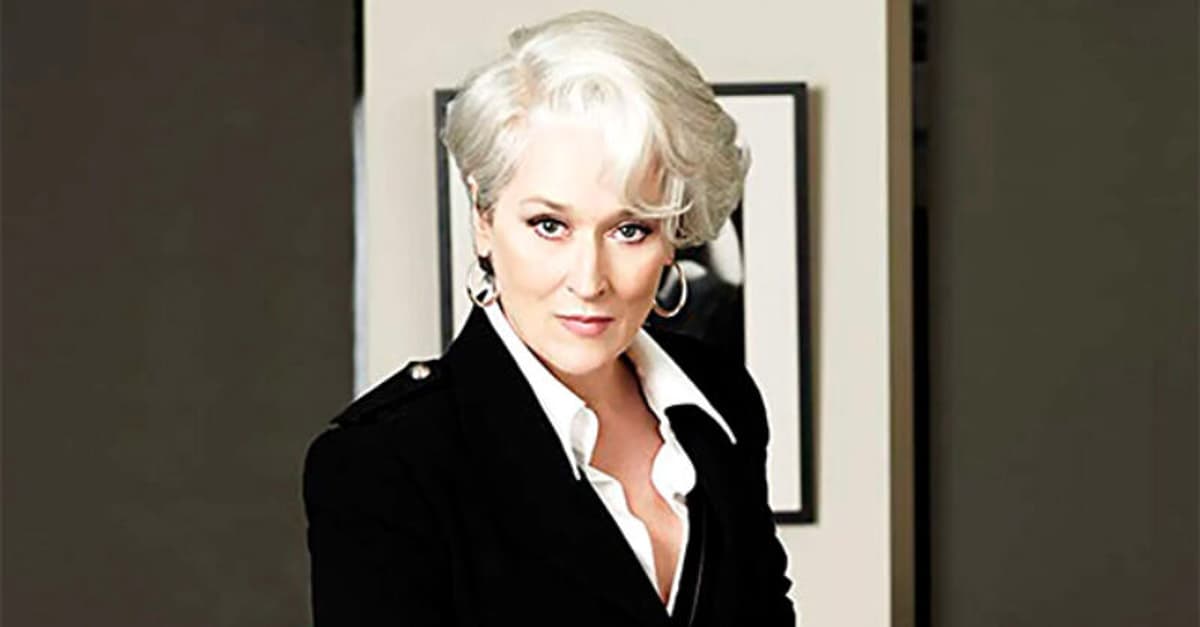
- •Miranda Priestly is reframed as a professional heroine, not villain
- •The film emphasizes personal fulfillment over traditional romance narratives
- •Critics note uneven tone and over‑caffeinated Anne Hathaway performance
Pulse Analysis
Box‑office performance remains a key barometer for Hollywood sequels, and The Devil Wears Prada 2’s US$250 million opening weekend underscores the enduring commercial pull of fashion‑centric franchises. The film leverages high‑gloss production design—showcasing Milan runway spectacles and a pop‑infused soundtrack—to attract both legacy fans and a younger, style‑savvy demographic. By banking on visual opulence, the studio mitigated narrative shortcomings, turning the sequel into a guilty‑pleasure offering that still generated significant revenue despite mixed reviews.
Beyond aesthetics, the sequel pivots on a cultural re‑examination of Miranda Priestly, shifting her from the icy antagonist of the 2006 original to a celebrated exemplar of female authority. This narrative choice taps into a broader societal conversation about women’s professional ambition, positioning Miranda’s ruthless dedication as a form of empowerment rather than mere villainy. The film’s dialogue—particularly Streep’s improvised line about loving work—resonates with audiences who see career fulfillment as a legitimate source of identity, challenging traditional gender expectations in mainstream media.
The reception of The Devil Wears Prada 2 highlights a growing appetite for stories that blend glamour with nuanced portrayals of women in power. While critics flagged tonal inconsistency and an over‑energetic lead performance, the audience’s warm response suggests that viewers are willing to overlook flaws when a film validates their aspirations. This trend may encourage studios to invest in sequels that foreground strong, complex female leads, reshaping the Hollywood landscape toward more inclusive, empowerment‑driven narratives.
Miranda Priestly is still my hero
Comments
Want to join the conversation?
Loading comments...