Obsession and Backrooms Could Change How Movies Get Made (and It’s Happened Before)
Why It Matters
This trend could reshape financing and talent pipelines, forcing major studios to lower budgets and embrace digital creators to stay profitable.
Key Takeaways
- •Markiplier's 'The Iron Lung' earned $51M on $3M budget.
- •YouTube creators now directing studio projects like Blair Witch reboot.
- •Studios chase low‑budget internet talent as blockbuster profits stall.
- •1960s film‑school wave mirrors today's YouTube filmmaker surge.
- •'Obsession' and 'Backrooms' top box office despite modest budgets.
Pulse Analysis
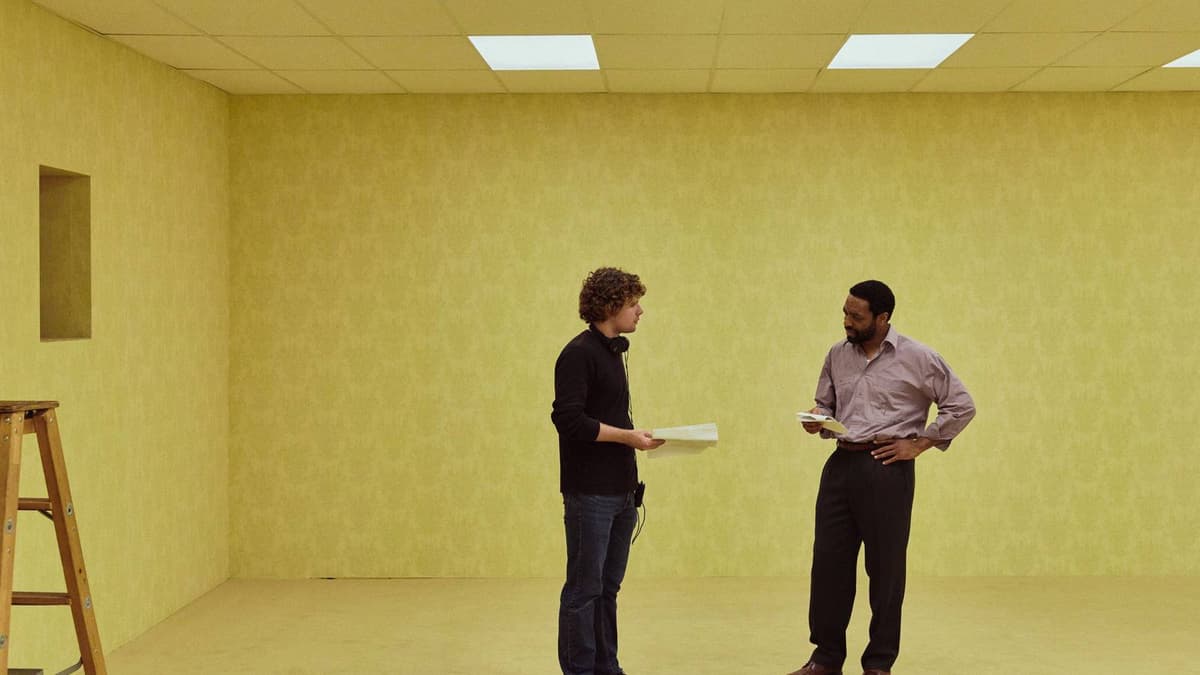
The last decade has shown that even the most entrenched intellectual properties can no longer guarantee box‑office gold. Disney’s recent *Mandalorian and Grogu* installment struggled to turn a profit, and the $200 million *Masters of the Universe* reboot appears headed for a loss. By contrast, internet‑born projects are punching far above their weight: Markiplier’s *The Iron Lung* turned a $3 million investment into $51 million worldwide, and low‑budget thrillers like *Obsession* and *Backrooms* are ranking alongside legacy franchises. This reversal signals a growing appetite for fresh, cost‑effective content.
The pattern mirrors the upheaval of the 1960s, when Hollywood’s studio system faltered and a wave of film‑school graduates injected new energy into cinema. Today, YouTube serves as the modern film school, offering creators instant audiences and production tools. Filmmakers such as Dylan Clark, whose short *Portrait of God* amassed 10 million views, have secured studio deals to helm a *Blair Witch* reboot, while TikTok storyteller Nicolas Curcio is launching his first feature, *Play House*. These pathways bypass traditional gatekeepers, accelerating the talent pipeline.
For major studios, the lesson is clear: risk‑averse megabudgets must coexist with lean, creator‑driven projects. By partnering with digital influencers, studios can tap pre‑validated fan bases, reduce marketing spend, and experiment with genre‑bending ideas without jeopardizing balance sheets. However, the influx of internet talent also raises questions about quality control and long‑term sustainability, as today’s novelty could become tomorrow’s formulaic output. If the industry balances these dynamics, the next wave of Hollywood hits may emerge from a creator’s bedroom rather than a backlot.
Obsession and Backrooms could change how movies get made (and it’s happened before)
Comments
Want to join the conversation?
Loading comments...