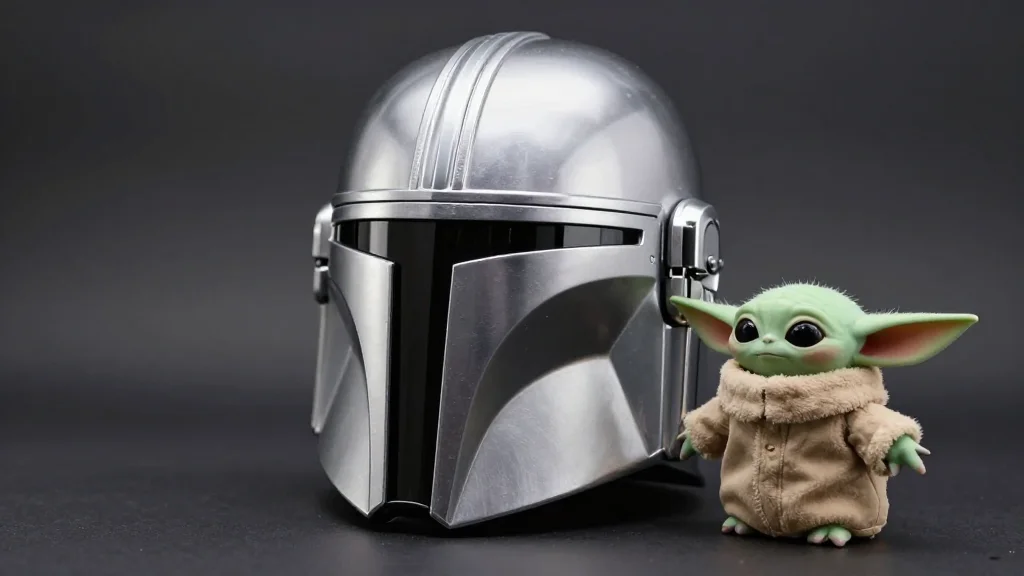
The Mandalorian & Grogu Exits Domestic Top 5 After Two Weekends, Fastest Star Wars Drop Ever

Companies Mentioned
Why It Matters
The Mandalorian & Grogu's precipitous fall signals a potential shift in how legacy franchises are monetized. A rapid decline after a historically low opening suggests that even strong brand equity cannot guarantee box‑office durability when audience expectations evolve. For Disney, the result may prompt a re‑evaluation of theatrical windows for spin‑offs that originated on streaming platforms, potentially accelerating a strategy that prioritizes Disney+ exclusivity for certain storylines. Beyond Disney, the episode adds to a broader industry trend where mid‑budget horror, event screenings, and franchise fatigue erode the dominance of traditional blockbuster releases. Studios may need to diversify release calendars, invest in differentiated marketing, or explore hybrid distribution models to sustain revenue streams for legacy properties.
Key Takeaways
- •The Mandalorian & Grogu opened with $81.7 million, the lowest Star Wars opening since 1999.
- •Second‑weekend projection of $9.5 million represents a 61% drop, the steepest for a live‑action Star Wars film.
- •The film fell to No. 6, behind Scary Movie, Masters of the Universe, Backrooms, Obsession, and The Amazing Digital Circus.
- •It became the quickest Star Wars title to exit the domestic Top 5, after just two weekends.
- •The performance fuels debate over franchise fatigue and Disney's future theatrical vs. streaming strategy.
Pulse Analysis
The Mandalorian & Grogu's box‑office trajectory underscores a pivotal moment for franchise filmmaking. Historically, Star Wars titles have leveraged event status to dominate the opening weekend and sustain multi‑week runs. This time, the franchise's reliance on a beloved streaming series to generate theatrical interest fell short, suggesting that audience loyalty to a character does not automatically translate to cinema attendance. The 61% second‑weekend drop eclipses the typical decay curve for tentpole releases, indicating that the film failed to capture repeat viewers or attract new demographics beyond its core fan base.
Disney's broader strategy may now tilt toward a more integrated release model, where streaming serves as the primary launchpad and theatrical runs become supplemental. This approach could mitigate risk, especially as competing titles—low‑budget horror and niche event screenings—prove adept at capturing market share in the October window. However, abandoning theatrical exclusivity could dilute the premium perception that has historically driven ancillary revenue streams such as merchandising and international licensing.
Looking ahead, the studio's upcoming slate will test whether adjustments in marketing spend, release timing, or narrative focus can restore confidence in the franchise's box‑office draw. If Disney can successfully bridge the streaming‑theater divide, it may set a new template for legacy properties in an era where audience attention is increasingly fragmented. Conversely, continued underperformance could accelerate a shift toward streaming‑first releases, reshaping the economics of blockbuster filmmaking for the next decade.
The Mandalorian & Grogu Exits Domestic Top 5 After Two Weekends, Fastest Star Wars Drop Ever
Comments
Want to join the conversation?
Loading comments...