Companies Mentioned
Why It Matters
The accent debate highlights how audience expectations can influence marketing and reception of high‑budget blockbusters, potentially affecting box‑office performance. It also underscores a shifting industry mindset that values emotional accessibility over strict period authenticity.
Key Takeaways
- •Nolan's trailer features all-American accents for Greek myth characters
- •Fans expect British accents in period epics, sparking online backlash
- •Historical films have mixed accent practices; American accents aren't new
- •Accent choice signals relatability over traditional gravitas in modern blockbusters
- •Critics argue performance matters more than linguistic authenticity
Pulse Analysis
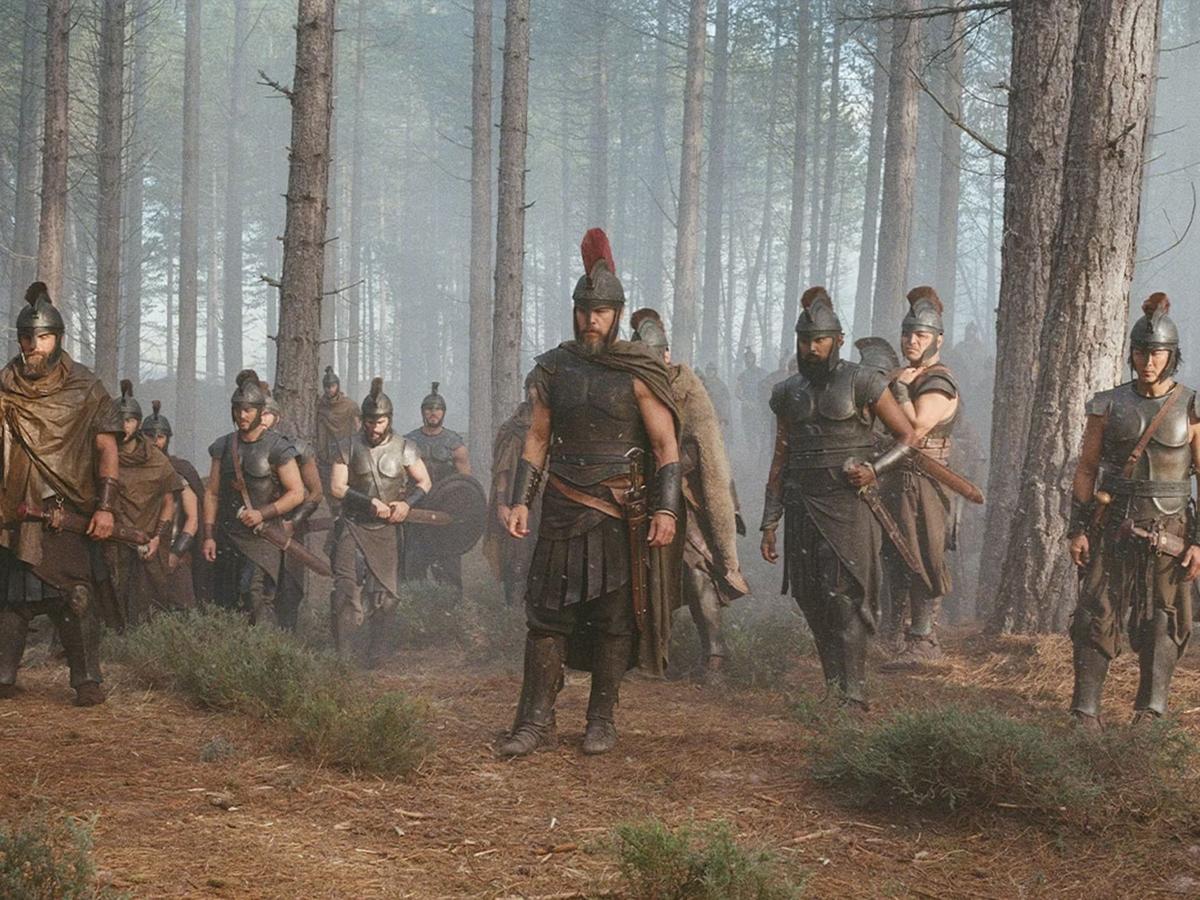
The trailer for Christopher Nolan’s $250 million “The Odyssey” has become a talking point not for its visual spectacle but for the decision to have the entire principal cast speak in contemporary American accents. By casting Robert Pattinson, Tom Holland and Matt Damon with U.S. speech patterns, the filmmaker sidesteps the long‑standing convention that period epics sound “British” to lend an air of gravitas. This move taps into a growing audience desire for immediacy; viewers are more likely to connect with characters who sound familiar, especially in a mythic story that will be released in a global market on July 17.
The controversy is not without precedent. Classic Hollywood epics such as “Spartacus,” “Ben‑Hur,” and even Kubrick’s “Paths of Glory” blended British and American voices to delineate class or simply to use actors’ natural speech. Mid‑20th‑century productions often ignored linguistic fidelity altogether, allowing stars like Charlton Heston to deliver lines in a Mid‑Atlantic drawl. Modern directors like Ridley Scott have continued this flexible approach, letting actors retain their native accents in “The Last Duel” and “Gladiator 2.” Nolan’s all‑American choice therefore fits within an established, if evolving, tradition of accent fluidity.
For studios, the stakes are practical as well as artistic. Social media chatter about accent authenticity can shape pre‑release buzz, influencing opening‑week ticket sales and international distribution strategies. Yet the broader industry trend leans toward prioritizing performance and narrative accessibility over strict historical accuracy. As streaming platforms and global box‑office markets demand content that feels both epic and relatable, accent decisions become another tool for filmmakers to bridge the gap between ancient myth and contemporary audience expectations.
‘The Odyssey’ Trailer's Accents Aren't Actually That Weird
Comments
Want to join the conversation?
Loading comments...