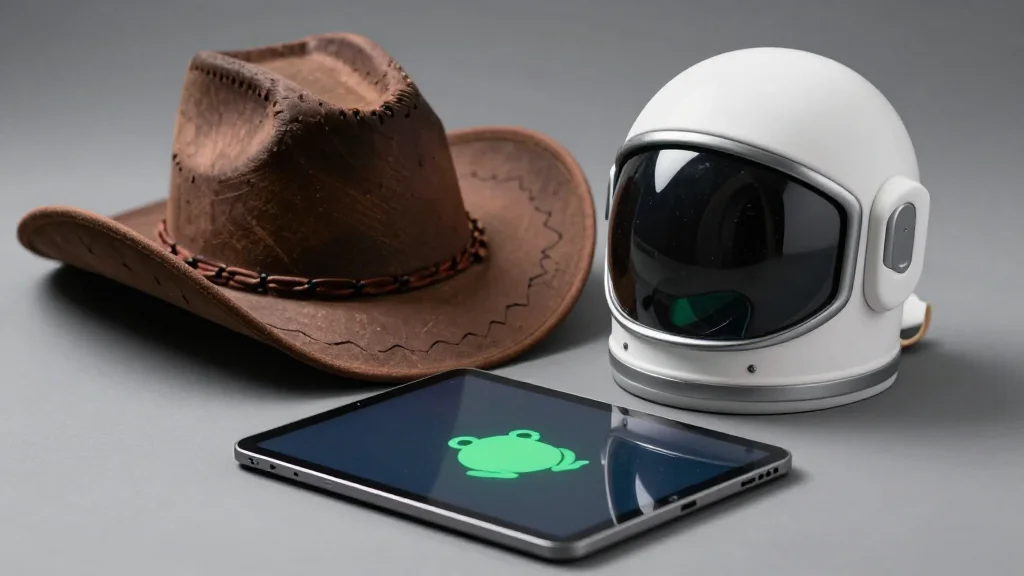
Toy Story 5 Footage Revealed at CinemaCon Shows Woody‑Buzz Hero Clash

Why It Matters
The reveal of *Toy Story 5* underscores how legacy franchises are adapting to a digital‑first culture, using familiar characters to explore the anxiety surrounding screen time and obsolescence. By framing the conflict around a high‑tech tablet, the film mirrors broader industry conversations about the future of physical play versus digital entertainment, positioning Pixar as a cultural commentator as well as a box‑office engine. Moreover, the continued involvement of original voice talent after three decades reinforces the franchise’s brand continuity, offering studios a template for sustaining long‑running series without alienating core audiences. The June 19 release will test whether nostalgia combined with contemporary relevance can still drive massive theatrical attendance in a market increasingly fragmented by streaming services.
Key Takeaways
- •CinemaCon debut shows Woody and Buzz fighting over hero duties
- •Lilypad tablet introduced as a high‑tech rival to classic toys
- •New characters include Atlas the GPS hippo and Smarty Pants the tech toy
- •Directed by Andrew Stanton, slated for June 19 theatrical release
- •Tom Hanks and Tim Allen highlighted 30‑year span since the original film
Pulse Analysis
Pixar’s decision to anchor *Toy Story 5* around a technology‑driven antagonist reflects a strategic pivot toward relevance in a market where children’s play habits are increasingly screen‑centric. The conflict between Woody and Buzz serves as a narrative device to personify the tension between analog nostalgia and digital innovation, a theme that resonates with both parents and kids. By doing so, Pixar not only preserves the emotional stakes that made the original films successful but also positions the sequel as a commentary on the evolving nature of childhood.
Historically, the *Toy Story* series has set box‑office benchmarks for animated sequels, and its brand equity remains a rare commodity in an industry where franchise fatigue is common. The inclusion of fresh voices like Greta Lee and Craig Robinson signals an effort to broaden the appeal without diluting the core identity. The timing of the release—mid‑summer—targets a period traditionally dominated by blockbuster franchises, suggesting Disney’s confidence that the film can compete against both legacy properties and new IPs.
Looking ahead, the film’s success will likely influence how studios approach legacy sequels: blending nostalgic elements with contemporary cultural touchpoints may become a blueprint for future franchise extensions. If *Toy Story 5* delivers strong theatrical numbers, it could reaffirm the viability of big‑budget, family‑oriented theatrical releases in an era where streaming premieres are increasingly common.
Toy Story 5 Footage Revealed at CinemaCon Shows Woody‑Buzz Hero Clash
Comments
Want to join the conversation?
Loading comments...