Companies Mentioned
Why It Matters
The removal highlights how estate litigation can control documentary distribution and underscores the limits of “cancellation” when consumer demand for an artist’s catalog remains strong.
Key Takeaways
- •HBO removed *Leaving Neverland* after 2024 settlement with Jackson estate
- •Original film’s streaming license expires in 2029, opening new platform options
- •Jackson’s music streams exceed 21 billion monthly despite documentary controversy
- •Legal disputes can effectively suppress documentary access without court injunctions
Pulse Analysis
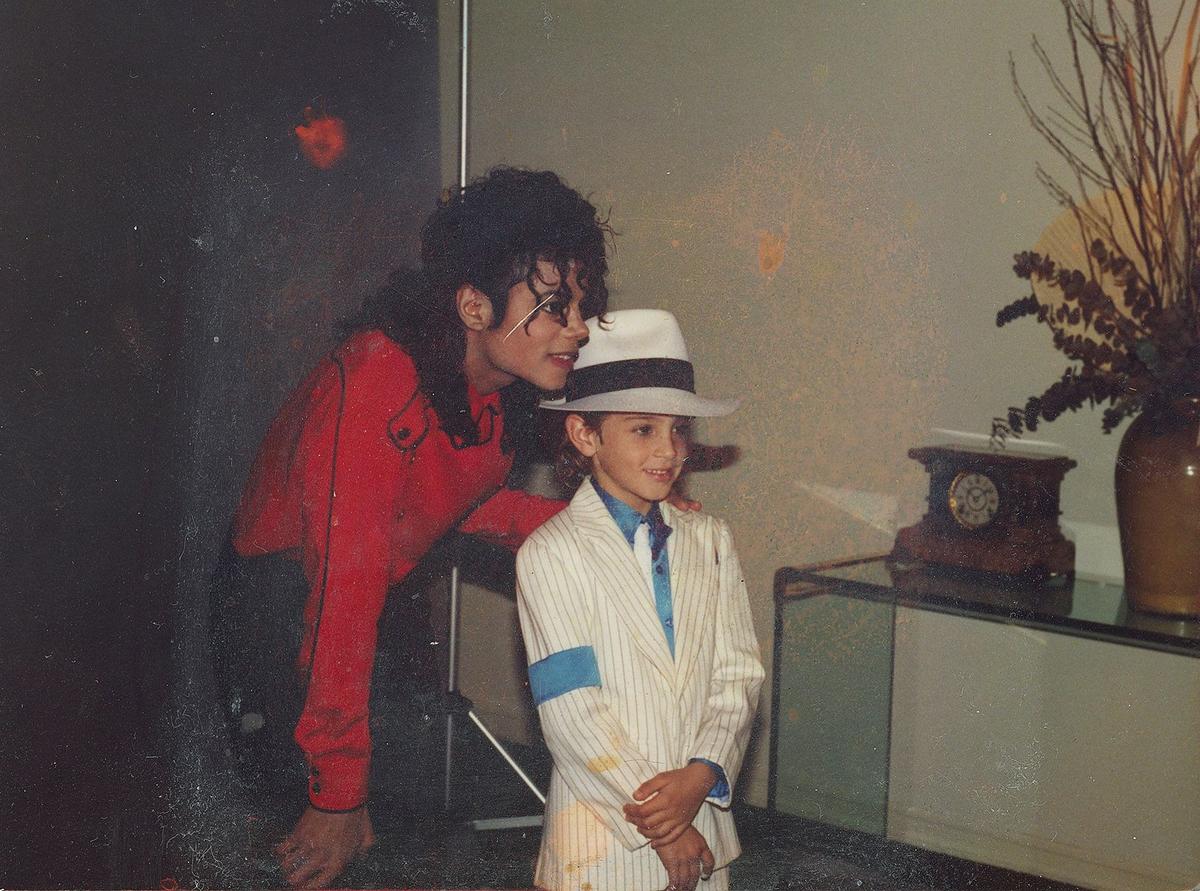
The controversy surrounding *Leaving Neverland* began when HBO aired the two‑part documentary in March 2019, exposing allegations of sexual abuse by Michael Jackson. The Jackson estate immediately challenged the film, claiming it violated a nondisparagement clause tied to a 1992 concert special agreement. After years of litigation, both parties dismissed their suits in 2024, and HBO quietly pulled the documentary from its Max library, a move insiders say was part of a settlement. This legal tug‑of‑war illustrates how powerful estates can leverage contractual clauses to influence streaming availability, effectively sidelining a high‑profile documentary without a formal court order.
Despite the film’s disappearance, Jackson’s musical legacy shows remarkable resilience. His catalog logged over 21 billion global streams this month, and radio airplay remains steady, suggesting that many listeners separate the artist’s work from the allegations. The documentary’s limited exposure has not halted the commercial success of the upcoming biopic *Michael*, which opens to strong box‑office expectations. This split between cultural criticism and consumer behavior reflects a broader trend: “cancellation” often affects public perception but does not always translate into reduced revenue for beloved catalogues.
Looking ahead, Reed’s original documentary will re‑enter the market once its HBO license expires in 2029, giving him the freedom to negotiate with other platforms. The case sets a precedent for how documentary rights can be entangled with estate litigation, prompting producers to anticipate potential legal roadblocks when tackling controversial subjects. For media companies, the lesson is clear: securing clear‑cut licensing terms and anticipating estate pushback are essential to preserving long‑term distribution strategies in an era where cultural debates can quickly reshape content availability.
Why ‘Leaving Neverland’ Disappeared from Streaming
Comments
Want to join the conversation?
Loading comments...