Companies Mentioned
Why It Matters
The album signals digicore’s evolution toward mainstream rap structures, expanding its commercial appeal. Its cultural references and generational commentary make it a touchstone for brands targeting Gen Z’s meme‑driven identity.
Key Takeaways
- •Backstage hologram delivers punchier low end and brattier energy
- •Kuru blends digicore roots with DMV street rap influences
- •Album references Y2K graphics, Nintendo DS soundtracks, and Madoka Magica
- •Lyrics explore online culture fatigue and real‑life identity tension
- •Critical note: back half feels experimental, risking cohesion
Pulse Analysis
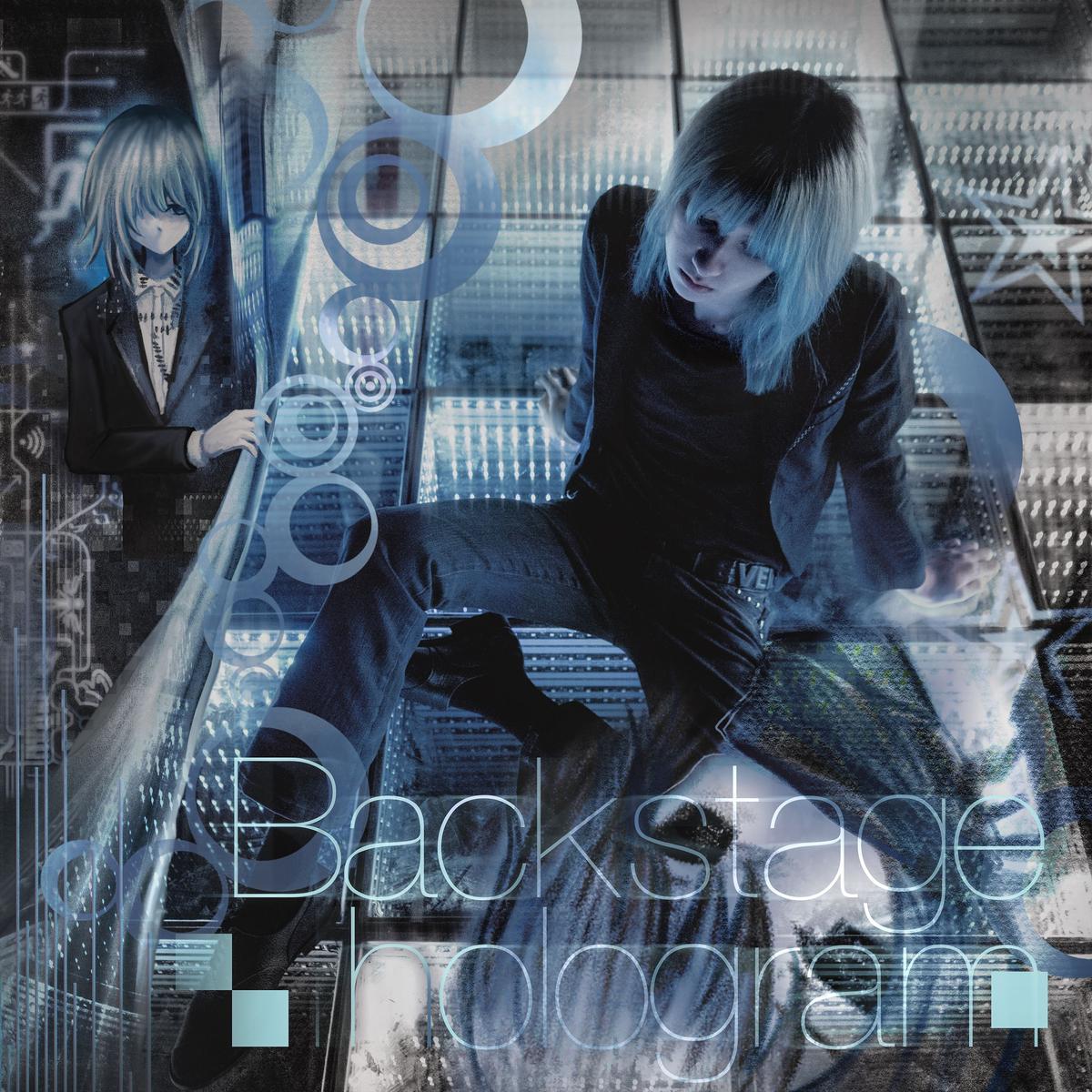
The release of *Backstage hologram* marks a pivotal moment for the emerging digicore movement that blossomed after the pandemic. At 20, kuru has moved beyond the hyper‑glitch aesthetic of his 2024 debut *Re:Wired*, anchoring his production in heavier bass and tighter song structures that echo the street‑rap cadence of the DMV collective TooManyStrikers. By pairing IDM‑adjacent synths with a bar‑centric flow, the album bridges internet‑born hyperpop sensibilities and the more grounded “free car music” that dominates regional playlists. Critics note the record’s immediate impact on the genre’s sonic direction.
Visually and sonically, *Backstage hologram* leans into a nostalgic Y2K palette, borrowing graphics from *Shin Megami Tensei* and low‑resolution Nintendo DS soundtracks such as *Pokemon Diamond & Pearl*. These references serve as cultural shorthand for a generation that grew up scrolling Discord servers and sharing niche anime memes. Lyrically, kuru confronts digital fatigue—“too old for the Discord”—while celebrating the intimacy of shared media love languages, from *Madoka Magica* profile pictures to a brother’s *Grand Blue* playlist. The juxtaposition of monotone verses with bright, arpeggiated keyboards creates a tension that mirrors the blur between online avatars and real‑world identity.
From a business perspective, the album’s streaming debut is likely to attract both digicore enthusiasts and mainstream rap listeners, expanding kuru’s audience beyond the DMV underground. The blend of club‑ready J‑pop cuts and breakbeat experiments positions the project for playlist placement on platforms like Spotify’s ‘Hyperpop Hits’ and Apple Music’s ‘Hip‑Hop Fresh Finds.’ Moreover, the album’s cultural commentary resonates with Gen Z consumers who value authenticity and meme‑driven storytelling, offering brands a fresh partnership avenue. If the back half’s experimental forays coalesce into a cohesive narrative, kuru could solidify his role as a bridge between niche internet subcultures and commercial rap markets.
Backstage hologram
Comments
Want to join the conversation?
Loading comments...