Phoebe Bridgers Delivers Surprise Pop‑Up Show for 400 Fans in Jackson, Mississippi

Why It Matters
The Jackson pop‑up illustrates how artists can reimagine live‑music economics by cutting out intermediaries and creating scarcity-driven demand. By limiting attendance to 400 and banning recording devices, Bridgers turned a modest venue into a cultural event that generated national headlines, proving that intimacy can be as newsworthy as scale. If more musicians adopt this model, it could shift the balance of power toward artists and local venues, encouraging a resurgence of grassroots promotion and community‑focused concerts. This could also pressure larger promoters to innovate, potentially leading to hybrid events that blend the intimacy of pop‑ups with broader accessibility.
Key Takeaways
- •Phoebe Bridgers performed an unannounced concert for 400 fans at Duling Hall in Jackson on May 14, 2026.
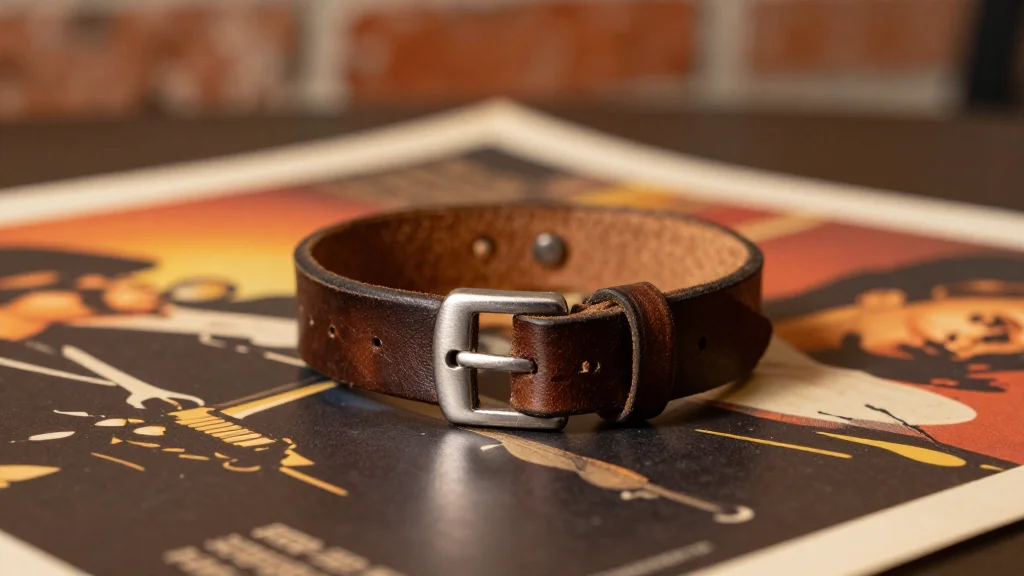
- •The show was promoted solely through a hand‑drawn poster and wristband distribution, with no digital advertising.
- •Attendees were prohibited from using phones, cameras, or any recording devices to ensure an intimate experience.
- •Bridgers’ set featured acoustic renditions of "Graceland Too," "Motion Sickness," and "Scott Street" performed from a couch on stage.
- •The pop‑up model signals a shift toward low‑cost, high‑engagement live‑music strategies that bypass traditional ticketing platforms.
Pulse Analysis
Phoebe Bridgers’ Jackson pop‑up is more than a gimmick; it’s a strategic response to the oversaturation of ticketed events and the fatigue many fans feel toward hyper‑produced shows. By stripping away digital layers, Bridgers reclaimed the raw, communal essence of live music, a move that resonates with a generation craving authenticity. The analog promotion—posters in coffee shops—leverages word‑of‑mouth and local networks, reducing marketing spend while creating a sense of discovery that viral campaigns can’t replicate.
Historically, surprise shows have been the domain of legacy acts—think Beyoncé’s Coachella surprise or U2’s secret gigs—but Bridgers democratizes the concept for indie artists. The limited capacity and no‑tech rule also mitigate the risk of piracy and preserve the artist’s creative control over the live experience. However, scalability remains a challenge; replicating this model in larger markets could dilute its exclusivity and strain venue logistics. The key will be balancing scarcity with broader fan access, perhaps through a rotating schedule of pop‑ups that rotate cities while maintaining the intimate ethos.
If the pop‑up formula gains traction, we may see a new tier of live‑music economics where mid‑size venues become hubs for high‑impact, low‑budget events. This could revitalize local economies, give independent promoters a competitive edge, and force major ticketing firms to adapt their fee structures. For artists, the model offers a direct line to superfans, fostering loyalty that translates into streaming, merch, and future ticket sales. In short, Bridgers’ Jackson show could be the catalyst for a more decentralized, fan‑centric concert industry.
Phoebe Bridgers Delivers Surprise Pop‑Up Show for 400 Fans in Jackson, Mississippi
Comments
Want to join the conversation?
Loading comments...