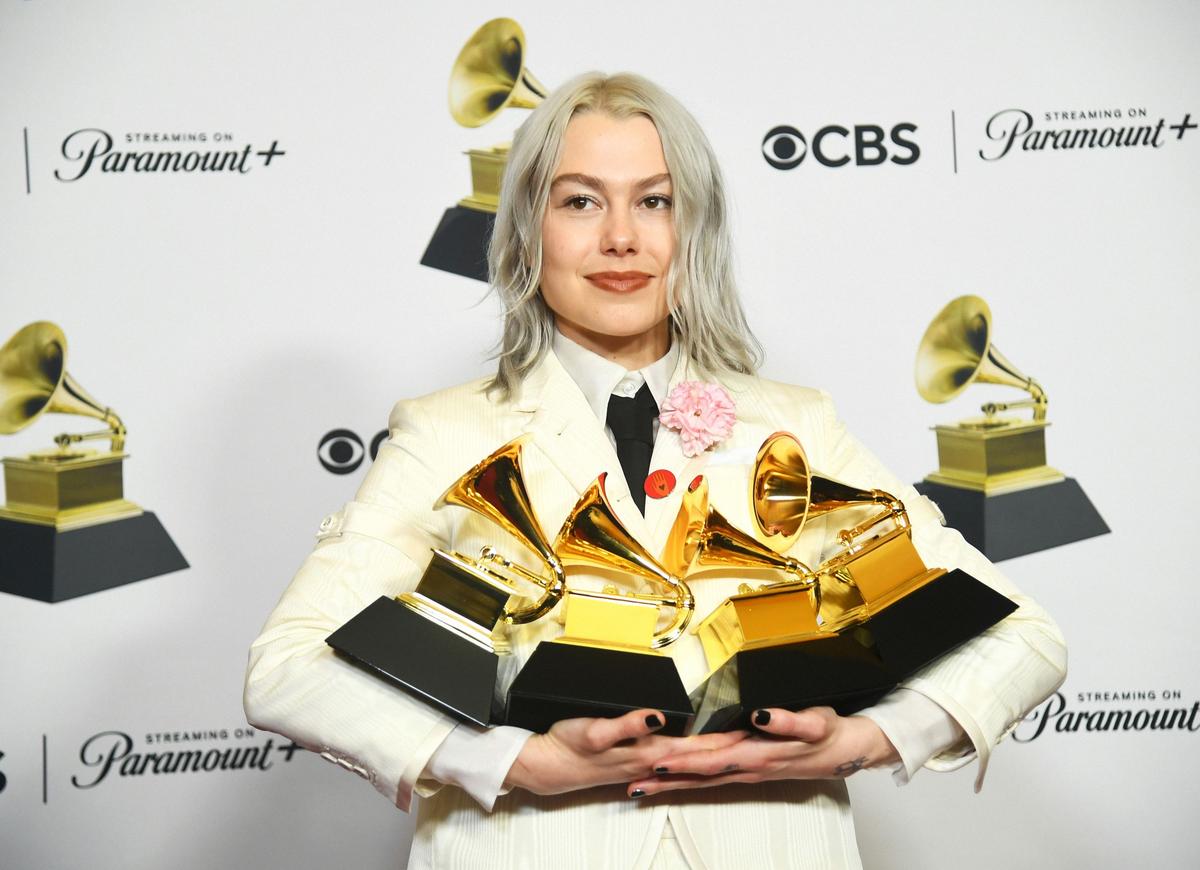
Phoebe Bridgers Ditched the Internet to Hype Up Her New Music. It’s Working
Companies Mentioned

Why It Matters
The tactic shows how limited, offline experiences can generate massive buzz and deepen fan loyalty, offering a blueprint for musicians seeking impact in an oversaturated streaming era.
Key Takeaways
- •Phone‑free pop‑ups turn concerts into exclusive, detective‑style events.
- •Flyers and word‑of‑mouth spark organic, nationwide fan speculation.
- •Scarcity amplifies anticipation for Bridgers’ forthcoming album.
- •Major venue MSG show bridges intimacy and mainstream rollout.
Pulse Analysis
Phoebe Bridgers’ surprise‑tour model flips conventional music promotion on its head. By eschewing social media announcements and banning phones at venues, she creates a scarcity premium that makes each show feel like a once‑in‑a‑lifetime event. Physical flyers dropped in disparate towns act as cryptic invitations, turning ordinary fans into treasure hunters. This analog approach taps into a psychological bias: scarcity increases perceived value, prompting fans to invest time, travel, and social capital to secure a spot. In an era where streaming platforms flood listeners with endless content, the scarcity of live exposure becomes a powerful differentiator.
The fan response has turned the rollout into a grassroots detective saga. Online forums, subreddit threads, and group chats dissect flyer details, map UFO‑sighting locations, and predict next stops, effectively crowdsourcing the marketing funnel. Content creators like LeAnna Chase Williams gain visibility by decoding the itinerary, while the broader community amplifies each discovery through shares and speculation. This organic buzz rivals paid campaigns, delivering authentic engagement that traditional advertising struggles to achieve. Comparable tactics—Lucy Dacus’ lottery‑only museum shows and Drake’s ice installation—show a broader industry shift toward experiential scarcity as a promotional lever.
For the music business, Bridgers’ strategy signals a viable path for artists to cut through the digital clutter without massive ad spend. By converting scarcity into community‑driven hype, labels can foster deeper fan loyalty and command higher streaming debuts when the album finally drops. However, the model carries risks: logistical complexity, safety concerns for younger fans, and potential alienation of audiences unable to attend. As more artists experiment with limited‑access events, the industry will need to balance exclusivity with inclusivity, ensuring that the hype translates into sustainable revenue streams across both live and digital channels.
Phoebe Bridgers Ditched the Internet to Hype Up Her New Music. It’s Working
Comments
Want to join the conversation?
Loading comments...