%20super-mario-galaxy.png)
Companies Mentioned
Why It Matters
The orchestral turn elevated video‑game music from background filler to a narrative driver, reshaping industry standards and opening new revenue streams for live performances. It demonstrated that immersive soundtracks can deepen player engagement and broaden a franchise’s cultural footprint.
Key Takeaways
- •Galaxy scores used a 50‑player orchestra, a rarity in mid‑2000s games.
- •Orchestral blend set new cinematic benchmark for video‑game soundtracks.
- •Koji Kondo’s mentorship guided Yokota to redefine Mario’s musical essence.
- •Dynamic synth‑orchestra mixes enhanced narrative tension, especially Bowser battles.
- •Orchestral arrangements sparked modern game‑music concerts and industry investment.
Pulse Analysis
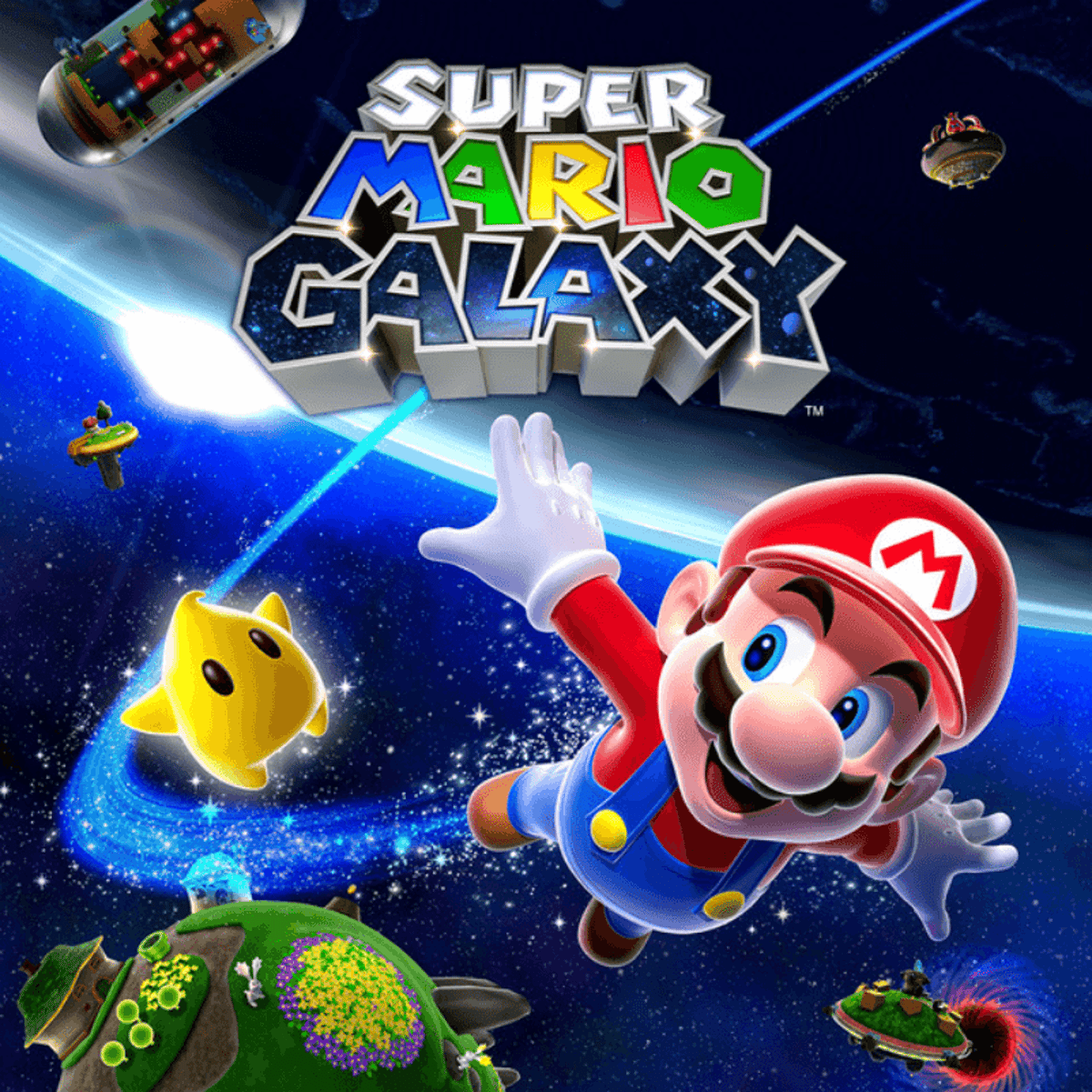
When Nintendo launched Super Mario Galaxy in 2007, it did more than expand the plumber’s universe—it reimagined how games could sound. By hiring a 50‑player symphony, Mahito Yokota turned a traditionally chip‑tune franchise into a full‑blown cinematic experience. This bold move aligned the game’s visual ambition with a soundtrack that could rival Hollywood scores, proving that video‑game music could stand on its own artistic merit. The orchestral approach also allowed composers to weave complex leitmotifs, giving players emotional cues that deepened immersion and narrative cohesion.
The Galaxy scores pioneered a hybrid model that married sweeping orchestral passages with futuristic synth textures. Tracks like “Egg Planet” and “Gusty Garden Galaxy” demonstrate how layered arrangements can transition from delicate woodwinds to powerful brass, mirroring gameplay progression from exploration to triumph. This dynamic range not only heightened tension during boss fights—most notably Bowser’s “Catastrophe” theme—but also provided moments of quiet awe, reinforcing the feeling of floating through an infinite cosmos. By treating music as a storytelling tool, Nintendo set a template that other developers quickly adopted, elevating the role of sound design in game development.
Beyond the console, the Galaxy soundtracks sparked a broader cultural shift. Orchestral renditions of classic Mario themes now tour worldwide, drawing crowds that rival traditional concert audiences. The commercial success of these live performances has encouraged publishers to allocate larger budgets for original scores, recognizing music as both a branding asset and a revenue generator. As a result, modern titles across genres invest heavily in live orchestration, ensuring that the legacy of Super Mario Galaxy’s ambitious sound continues to shape the future of interactive entertainment.
Super Mario Galaxy / Super Mario Galaxy 2
Comments
Want to join the conversation?
Loading comments...