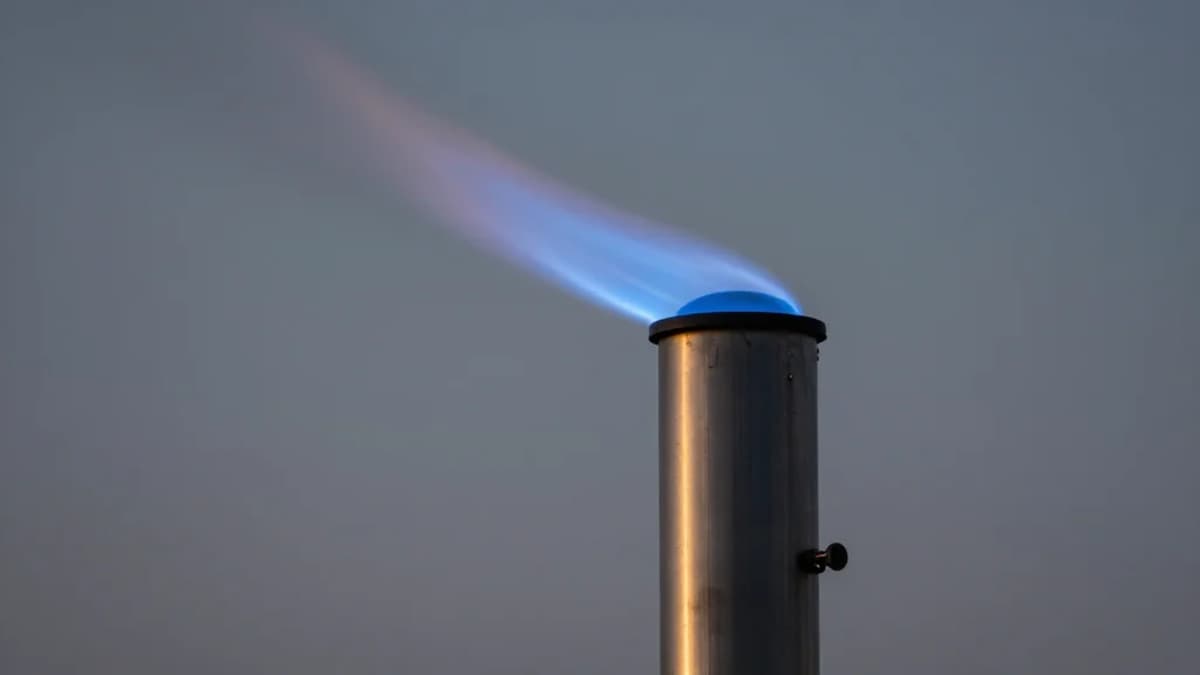
Market Open: Gas Futures Climb Ahead of March Expiration as Weather Drives Trade
•February 23, 2026
0
Why It Matters
The price movement highlights the sensitivity of gas markets to weather and contract roll dynamics, affecting traders and energy‑dependent businesses. Anticipated volatility around expiration creates both risk and opportunity for market participants.
Key Takeaways
- •March gas futures rose on cold‑weather demand
- •Volatility expected as March contract expires Thursday
- •Short‑covering rally fueled price gains
- •Long‑range forecasts cap upside potential
- •High production adds downward pressure
Pulse Analysis
Seasonal weather patterns remain a primary catalyst for natural gas price swings, especially as winter storms sweep across the United States. Cold fronts boost heating demand, prompting utilities and industrial users to secure supply ahead of anticipated shortages. This weather‑driven demand surge often translates into higher spot and futures prices, reinforcing the commodity’s reputation as a weather‑sensitive asset. Traders monitor meteorological models closely, as even modest temperature deviations can trigger sizable market reactions.
The March Nymex contract is approaching its final trading days, with expiration slated for Thursday. As the prompt month nears, market participants typically roll positions into the next month, amplifying liquidity and price volatility. Recent short‑covering activity—where traders buy back previously sold contracts—has propelled prices upward, testing resistance zones that could become pivotal support levels once the contract expires. Analysts caution that the transition to the April contract may introduce sharper price swings, especially if the underlying weather outlook remains uncertain.
Beyond immediate weather influences, the broader supply landscape tempers bullish expectations. Robust natural gas production, driven by continued drilling and high-output wells, adds considerable inventory to the market, limiting upside potential. Moreover, long‑range demand forecasts suggest a plateau in consumption growth, further constraining price appreciation. For investors and energy firms, balancing short‑term weather spikes against sustained production strength is essential for navigating the volatile spring transition period.
Market Open: Gas Futures Climb Ahead of March Expiration as Weather Drives Trade
0
Comments
Want to join the conversation?
Loading comments...