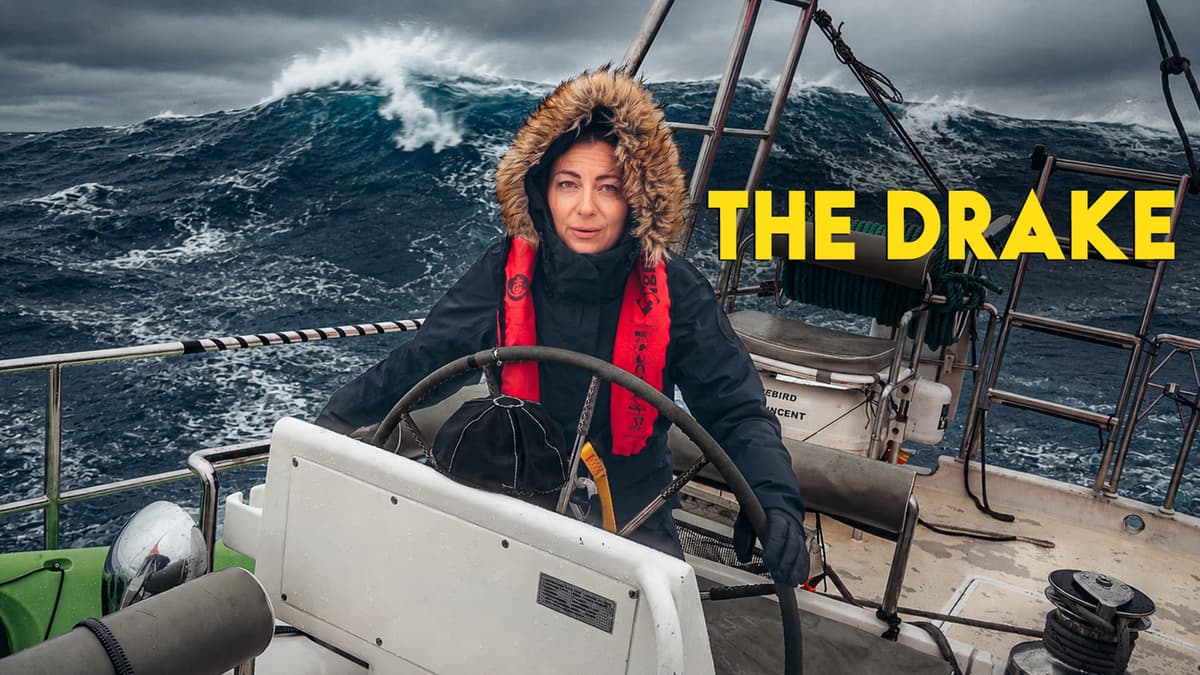
600 Miles Across the Most Feared Ocean on Earth
Key Takeaways
- •Icebird crew completed 600‑mile Drake Passage crossing in 2026
- •Voyage highlights unpredictable Southern Ocean weather despite advanced forecasts
- •Adventure travel market sees rising demand for extreme sailing experiences
- •Sailing through Drake Passage underscores importance of timing and safety protocols
- •Trip documented by Gone with the Wynns, boosting niche tourism visibility
Pulse Analysis
The Drake Passage, a 600‑mile stretch of the Southern Ocean between Antarctica and South America, has long been a benchmark for sailors testing the limits of endurance and skill. Recent advances in satellite‑based weather models have improved forecast accuracy, yet the region’s volatile winds and sea state can still outpace predictions. By selecting a narrow weather window, the Icebird crew demonstrated how modern forecasting tools, combined with seasoned seamanship, can mitigate risk while still delivering the raw, untamed experience that adventure travelers crave.
Adventure tourism is evolving beyond traditional land‑based excursions, with a surge in demand for immersive, high‑adrenaline experiences such as polar sailing, ice‑climbing, and remote wildlife encounters. The Icebird expedition taps into this trend, offering followers a front‑row seat to the drama of navigating one of the planet’s most notorious waterways. As social media platforms amplify these narratives, niche operators like Icebird Expeditions can attract a global audience, secure sponsorships, and command premium pricing for bespoke voyages that blend environmental stewardship with thrill‑seeking.
Beyond the immediate excitement, the crossing highlights broader implications for maritime safety and climate research. Vessels traversing the Drake Passage contribute valuable data on sea‑state conditions, ocean currents, and atmospheric patterns—information critical for refining climate models. Moreover, the heightened visibility of such expeditions can spur policy discussions on protecting fragile Southern Ocean ecosystems while balancing the economic opportunities presented by sustainable adventure tourism. In this way, the Icebird’s journey serves as both a testament to human curiosity and a catalyst for responsible oceanic exploration.
600 Miles Across the Most Feared Ocean on Earth
Comments
Want to join the conversation?