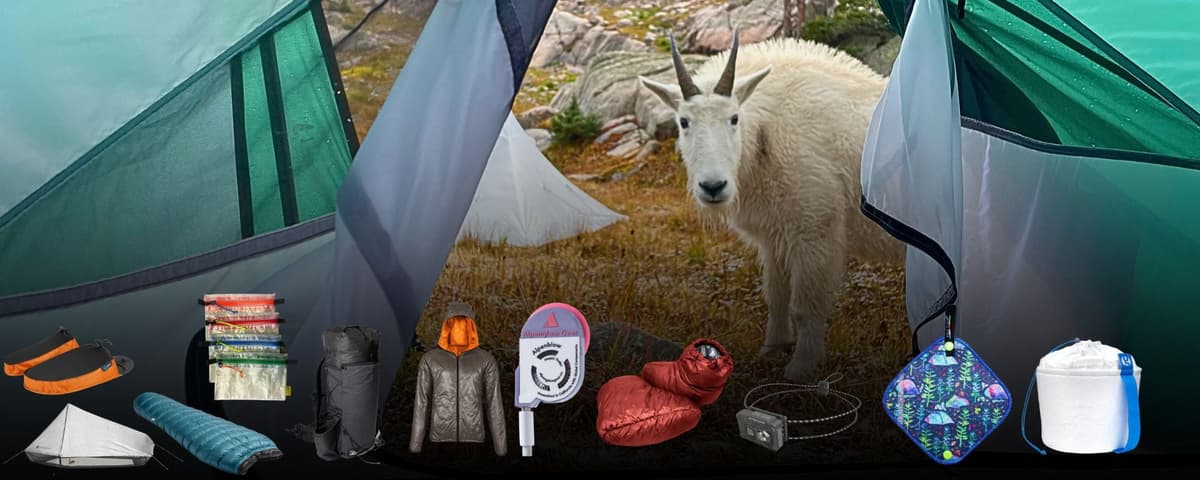
Cottage Gear Guide: Ultralight Hiking & Backpacking Gear From Small, Startup, and Cottage Brands
Key Takeaways
- •Cottage shelters prioritize weight savings through trekking‑pole designs and minimal hardware.
- •Dyneema Composite Fabric provides ultra‑light, low‑absorption tents at premium price.
- •Silnylon and silpoly tents balance cost, durability, and moderate weight.
- •Floorless tarps and pyramids deliver maximal versatility for minimalist backpackers.
- •Ultralight stakes and reflective guylines improve shelter stability in harsh conditions.
Pulse Analysis
The ultralight backpacking segment has matured to a point where mainstream manufacturers often recycle existing designs, leaving a niche for agile cottage brands. These small‑scale makers can iterate quickly, leveraging direct customer feedback to experiment with novel fabrics, modular geometries, and bespoke hardware. By bypassing large‑scale distribution, they channel a larger share of revenue back into research and domestic production, creating a virtuous cycle of innovation that appeals to discerning hikers seeking cutting‑edge performance.
Material choice remains the most decisive factor for ultralight shelters. Dyneema Composite Fabric (DCF) delivers unmatched tear strength and water resistance, allowing single‑wall tents to weigh under 350 g, but the cost and susceptibility to abrasion demand careful handling. Silnylon and silpoly, while heavier, offer a more forgiving experience, lower price points, and better abrasion tolerance, making them suitable for mixed‑terrain trips. Understanding these trade‑offs—weight versus durability, price versus performance—enables hikers to select a shelter that aligns with their skill level and environmental conditions.
Beyond the primary shelter, accessories such as 3D‑printed titanium stakes, reflective guylines, and ultra‑light tarps amplify the overall system efficiency. Titanium stakes provide rock‑hard penetration at a fraction of the weight of steel, while reflective cords enhance night‑time safety. Floorless tarps and pyramid designs grant unparalleled versatility, allowing users to adapt to varied terrain and weather without adding bulk. As material science advances and small brands continue to iterate, the ultralight market is poised for further weight reductions and functional refinements, reinforcing the appeal of cottage‑crafted gear for the modern adventurer.
Cottage Gear Guide: Ultralight Hiking & Backpacking Gear from Small, Startup, and Cottage Brands
Comments
Want to join the conversation?