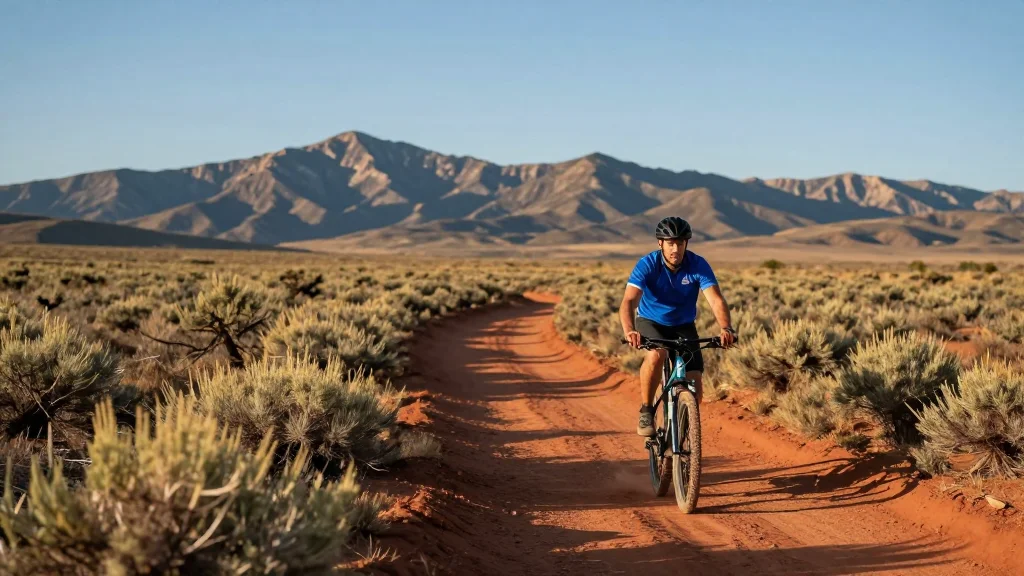
Give Input on the New Mexico Rio Grande Trail
Key Takeaways
- •Trail spans 300+ miles across New Mexico
- •Gap exists between Santa Fe and Taos counties
- •Draft routes target cyclists, equestrians, hikers
- •Public survey collects local stakeholder feedback
- •Input shapes future tourism and conservation
Pulse Analysis
The Rio Grande Trail is emerging as one of the Southwest’s most ambitious linear parks, linking the state’s diverse ecosystems from the desert lowlands near Las Cruces to the high desert of Taos. By stitching together existing rail‑trail segments, forest service pathways, and local bike routes, the corridor promises to attract cyclists, hikers, and equestrians seeking long‑distance experiences while generating ancillary revenue for nearby towns. Industry analysts note that continuous trails of this scale often act as catalysts for hospitality development, real‑estate appreciation, and outdoor‑gear retail growth.
A critical missing link lies between Santa Fe and Taos counties, where land ownership, topography, and cultural resources create routing challenges. The Radavist, collaborating with the New Mexico Department of Transportation and regional land trusts, has produced three draft alignments—each optimized for a specific user group. An interactive ArcGIS map lets stakeholders visualize terrain, private property boundaries, and potential environmental impacts before submitting feedback via a short online questionnaire. This participatory approach not only ensures that the final alignment respects local knowledge but also helps agencies meet federal grant requirements that prioritize community involvement.
If the public‑driven process yields a consensus route, the completed Rio Grande Trail could become a marquee attraction comparable to the Great Allegheny Passage or the Pacific Crest Trail. Continuous access would enable multi‑day backpacking loops, organized bike tours, and equestrian events, drawing visitors from across the nation. The resulting influx of tourists would support lodging, dining, and guide services, while the trail’s stewardship model could serve as a template for other states seeking to balance recreation with conservation. Stakeholders are urged to review the maps and contribute their insights before the survey closes, ensuring the trail reflects both regional heritage and future economic aspirations.
Give Input on the New Mexico Rio Grande Trail
Comments
Want to join the conversation?