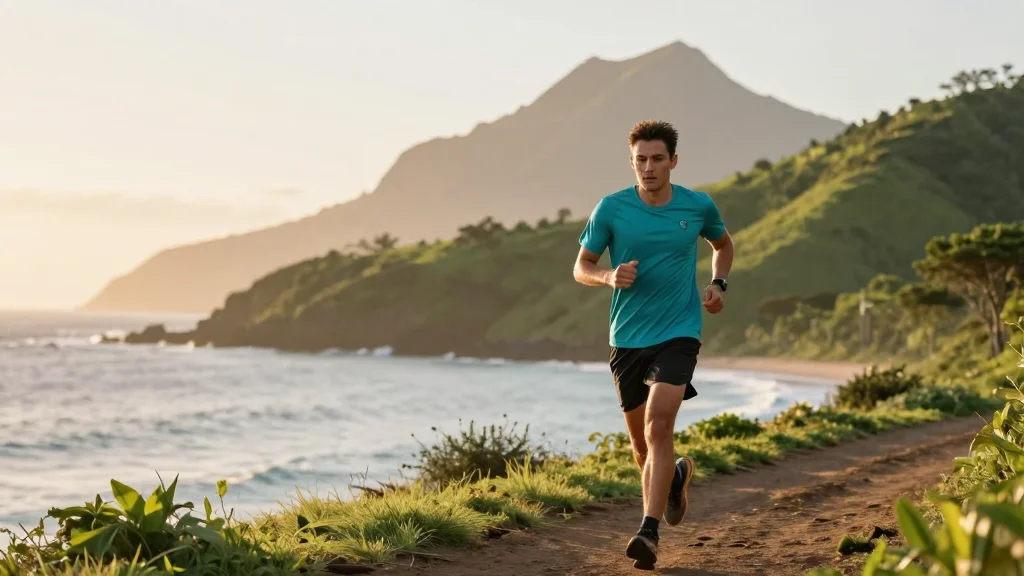
Jason Espero, Takashi Okada - K1/Kōnāhuanui (HI) - 2026-04-18
Key Takeaways
- •2h 50m 42s sea‑to‑summit time sets new benchmark for K1
- •Chose Ala Moana start to reduce distance versus Waikiki
- •Used only 1 L water, relying on gels for ascent
- •GPS track uploaded to Strava, enabling public performance analysis
- •Trail choice through Manoa Falls cut elevation gain versus road routes
Pulse Analysis
Sea‑to‑summit attempts have become a marquee challenge for ultrarunners, blending coastal speed with mountain endurance. Hawaii’s Kōnāhuanui (K1) is a 2,500‑foot peak that traditionally demands a long, wet trek from Waikiki or Kahala. By launching from Ala Moana Beach, Jason Espero and Takashi Okada eliminated several kilometers of road travel, turning a typical 12‑mile effort into a tighter, faster corridor. Their 2h 50m 42s finish not only beats informal records but also showcases how strategic start points can dramatically alter elevation profiles and overall time.
The duo’s route choice—running through Manoa, leveraging the Falls and Aihualama trails—avoided the congested Tantalus Road corridor and reduced cumulative ascent. Coupled with a minimalist hydration plan of just one liter of water and energy gels, they demonstrated that precise nutrition timing can sustain performance without the weight penalty of excess fluid. Such tactics resonate with elite coaches who prioritize power‑to‑weight ratios and seek to minimize pit stops during high‑intensity climbs.
Publishing the GPS data on Strava adds a layer of transparency and community benchmarking that fuels the broader endurance ecosystem. Real‑time telemetry enables coaches, device manufacturers, and app developers to refine algorithms for route optimization, predictive pacing, and hydration modeling. As wearable tech integrates more granular environmental sensors, athletes like Espero and Okada provide valuable case studies that drive product innovation and market growth in the ultra‑endurance segment. Their performance underscores a shift toward data‑centric training, where every meter and milliliter is quantified for competitive advantage.
Jason Espero, Takashi Okada - K1/Kōnāhuanui (HI) - 2026-04-18
Comments
Want to join the conversation?