Mitigating the Damage: My Strategy for Intake on the CDT (TRAILS Series, Part 4)
Key Takeaways
- •Calorie deficit leads to muscle loss, immune decline
- •Trail towns often lack nutritious food options
- •High‑fat, calorie‑dense foods reduce pack weight
- •Resupply boxes provide fresh protein and micronutrients
- •Water treatment essential in arid, livestock areas
Pulse Analysis
Thru‑hiking the Continental Divide Trail demands an extraordinary metabolic output, often exceeding 6,000 calories per day. When external fuel runs low, the body enters a catabolic state, breaking down muscle tissue to meet energy needs. This not only erodes strength but also compromises immune function, leading to the infamous “hiker brain” and heightened injury risk. Understanding this physiological cascade is essential for anyone planning multi‑month backcountry expeditions, as it dictates the minimum nutritional thresholds required to maintain tissue repair and cognitive clarity.
The logistical reality of the CDT compounds the nutritional dilemma. Remote towns function as food deserts, offering primarily high‑sodium, low‑nutrient convenience items. Hikers must therefore prioritize caloric density—ideally 125 calories per ounce—to keep pack weight manageable while still meeting energy demands. High‑fat, low‑water foods become the backbone of the trail diet, allowing hikers to carry less weight and reduce joint stress. This trade‑off, however, sacrifices micronutrient completeness, making strategic re‑feeding points crucial for restoring vitamins, minerals, and high‑quality protein.
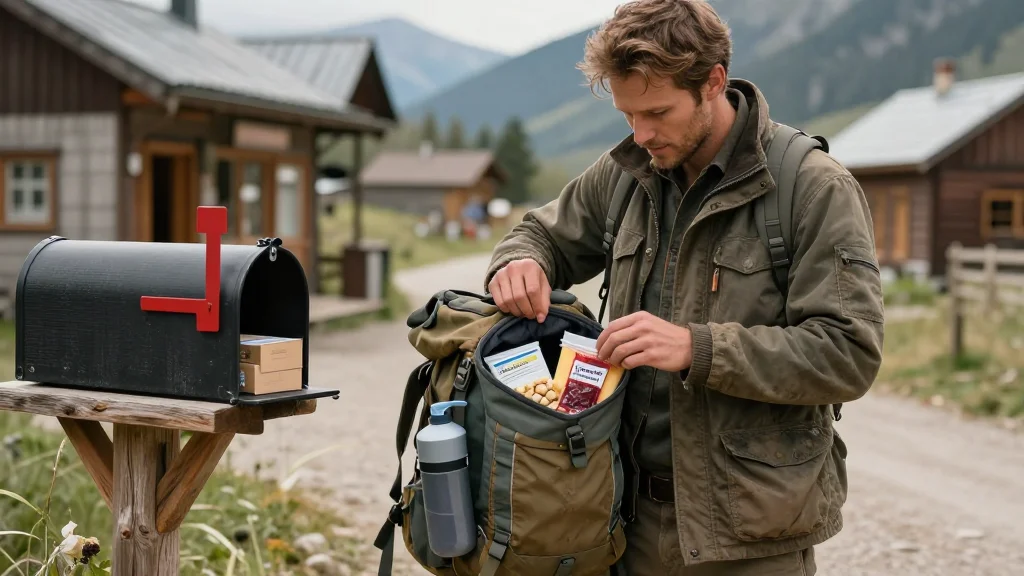
To bridge the gap between on‑trail scarcity and nutritional adequacy, the author employs a hybrid resupply model. Mail‑order boxes sent to key resupply hubs—such as Pie Town and Ghost Ranch—contain curated fresh produce, lean meats, and supplements, enabling periodic micronutrient repletion without detouring off the trail. Simultaneously, robust water treatment methods, including filtration and chemical disinfectants, safeguard against pathogens prevalent in stagnant desert sources. This integrated approach illustrates how meticulous planning can mitigate the inherent supply‑chain constraints of remote hiking, ensuring both performance and safety for long‑duration adventurers.
Mitigating the Damage: My Strategy for Intake on the CDT (TRAILS Series, Part 4)
Comments
Want to join the conversation?