Key Takeaways
- •First canal of Britain's Industrial Revolution, opened 1757
- •Connects St Helens coalfield to River Mersey, spurring regional industry
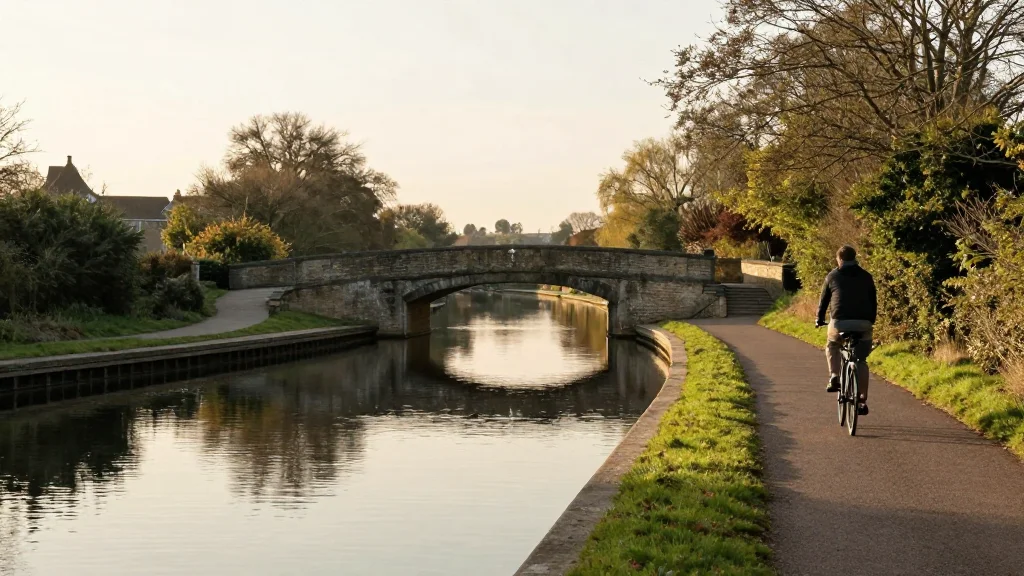
- •SCRS restored towpaths for walking, cycling, boosting tourism
- •Trail links to Trans Pennine and Sankey Valley routes, enhancing connectivity
- •Features World of Glass Museum and England’s first lock staircase
Pulse Analysis
The Sankey Canal holds a unique place in British history as the inaugural canal of the Industrial Revolution. Launched in 1757, it provided a vital conduit for coal from the St Helens mines to the River Mersey, catalyzing the emergence of heavy industry in St Helens and Widnes. By enabling efficient bulk transport, the canal accelerated the growth of collieries, glass factories, and chemical plants, laying the groundwork for the region’s economic engine during the 18th and 19th centuries.
Decades of decline gave way to a renaissance in the 1980s when the Sankey Canal Restoration Society (SCRS) mobilized volunteers, local authorities, and private partners to rehabilitate the waterway. Today, well‑surfaced towpaths form the Sankey Valley Trail and connect to the Trans Pennine Trail, offering cyclists and walkers a seamless 20‑mile route through historic landscapes. Heritage attractions—such as the World of Glass Museum’s Glass Cone House and the nation’s first lock staircase at Blackbrook—draw tourists seeking authentic industrial‑era experiences, while the accessible corridor promotes healthful outdoor activity for residents.
The canal’s revival delivers measurable economic benefits: increased visitor spending, new hospitality venues, and job creation in heritage management and leisure services. Moreover, the sustainable transport corridor aligns with broader UK goals to reduce car dependency and carbon emissions. As funding models evolve, the Sankey Canal serves as a blueprint for other dormant waterways, illustrating how preservation, community engagement, and strategic tourism can convert legacy infrastructure into vibrant, future‑ready assets.
Sankey Canal (UK)
Comments
Want to join the conversation?