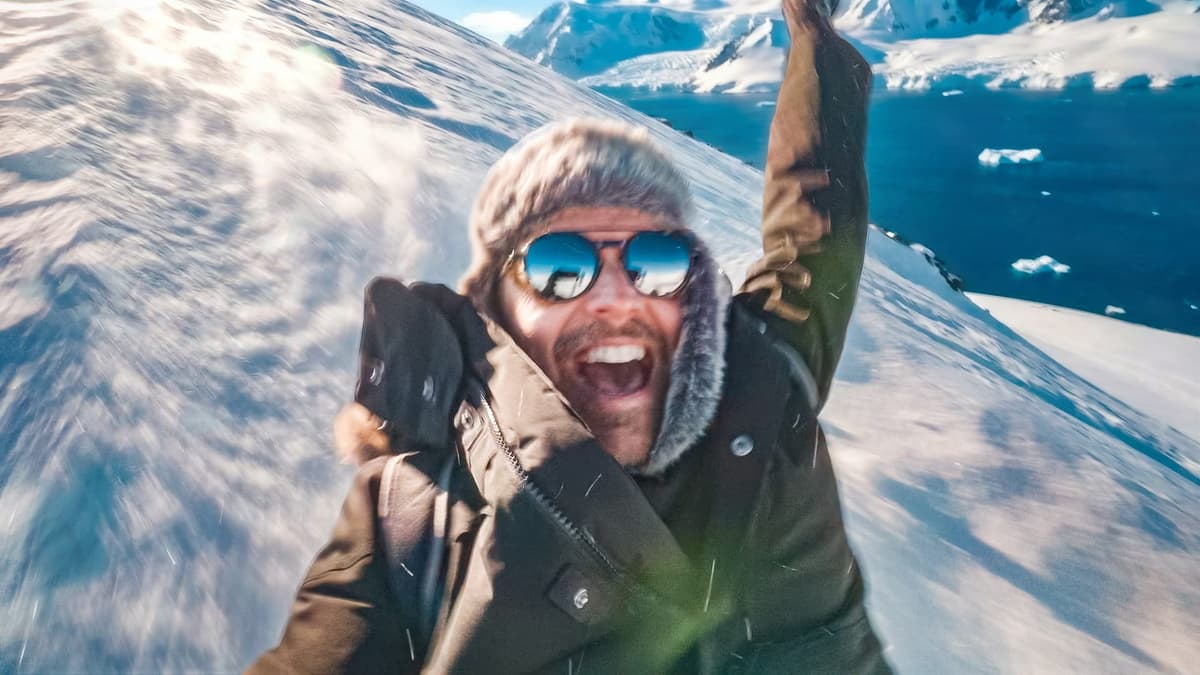
The Antarctica Most People Never Get to See
Key Takeaways
- •Intimate yacht trips deliver deeper connection to Antarctic wilderness
- •Adventure travelers favor small crews over mass‑market cruise ships
- •Expeditions showcase unique wildlife encounters unavailable on larger vessels
- •Niche polar tourism drives demand for sustainable, low‑impact operations
Pulse Analysis
Antarctic tourism has traditionally been dominated by large cruise ships that ferry thousands of passengers along well‑trodden routes. In recent years, however, a niche segment of high‑net‑worth travelers is gravitating toward small‑yacht expeditions that promise unparalleled access to untouched ice fields, wildlife, and remote research stations. These voyages, often limited to fewer than a dozen guests, allow participants to navigate narrow fjords, set foot on uninhabited islands, and engage directly with scientists, creating a premium product that commands higher price points and fosters brand loyalty among adventure seekers.
The shift toward intimate vessels like the S/V Icebird also carries significant environmental implications. Smaller crews generate a lower carbon footprint per passenger and can adopt stricter waste‑management protocols, aligning with the growing consumer expectation for responsible travel. Operators are increasingly partnering with conservation groups to monitor wildlife disturbances and support polar research, turning each trip into a platform for advocacy. This sustainable model not only protects the delicate Antarctic ecosystem but also differentiates providers in a competitive market where eco‑credibility can be a decisive factor.
From a business perspective, the rise of boutique Antarctic expeditions opens new revenue streams for specialized charter companies, luxury hospitality brands, and niche travel agencies. By curating exclusive experiences—such as kayaking among icebergs, on‑shore barbecues on penguin‑rich terrain, and direct interactions with marine mammals—these operators can command premium pricing and achieve higher profit margins than traditional cruise lines. As climate change continues to reshape polar landscapes, the demand for authentic, low‑impact adventures is likely to accelerate, positioning small‑scale expedition tourism as a growth engine within the broader travel industry.
The Antarctica Most People Never Get to See
Comments
Want to join the conversation?