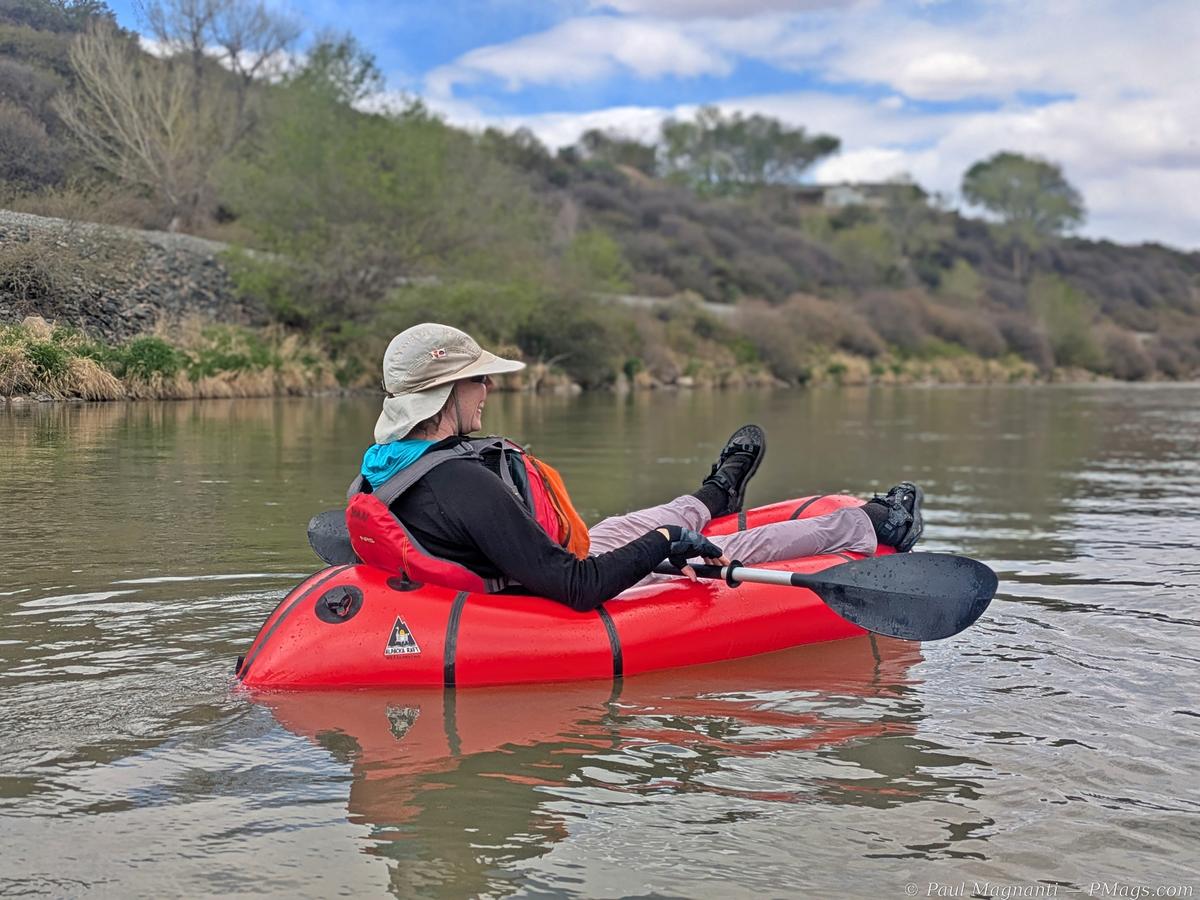
Key Takeaways
- •Storm forced itinerary change, leading to canyon petroglyph discovery
- •Petroglyphs reveal ancient human activity in remote sandstone canyon
- •Gunnison River flow measured 800 CFS, lower than historic averages
- •Low river flows signal broader drought trends across Colorado Plateau
- •Outdoor planners must adopt smaller boats and flexible schedules
Pulse Analysis
The canyon detour turned into an impromptu archaeological tour, as the travelers uncovered a suite of petroglyphs etched into sandstone walls. These images—ranging from stick‑figure humans to concentric circles that may represent ancient wagons—offer a tangible link to the peoples who once traversed the Colorado Plateau. Such sites are increasingly valuable to heritage tourism, drawing hikers, photographers, and scholars to remote desert corridors. By documenting the carvings, the author contributes to a growing digital archive that helps protect these fragile cultural resources from erosion and vandalism.
On the water, the Gunnison River ran at roughly 800 cubic feet per second, a level well below the multi‑decade average for this stretch. Hydrologists attribute the shortfall to a combination of below‑average snowpack, higher temperatures, and upstream water diversions that have become common across the Colorado River basin. Similar flow reductions have been recorded on the San Juan, Green, and even the lower Colorado, prompting water managers to release additional water from reservoirs such as Flaming Gorge to sustain downstream ecosystems. The trend illustrates how climate‑driven scarcity is reshaping the hydrology of the western United States.
For outfitters and outdoor enthusiasts, the shrinking water window translates into a need for smaller, more maneuverable craft and tighter scheduling. Packrafting schools are already adjusting curricula to emphasize lightweight kayaks that can operate in 300‑400 CFS conditions, while river guides are promoting alternative seasons and side‑stream routes. At a broader level, the situation underscores the importance of integrated water‑resource planning that balances recreation, agriculture, and municipal demands. As drought persists, stakeholders who adopt flexible trip designs and invest in low‑impact gear will be better positioned to sustain the outdoor economy while preserving the iconic landscapes that draw visitors.
Thinking of the last journey
Comments
Want to join the conversation?