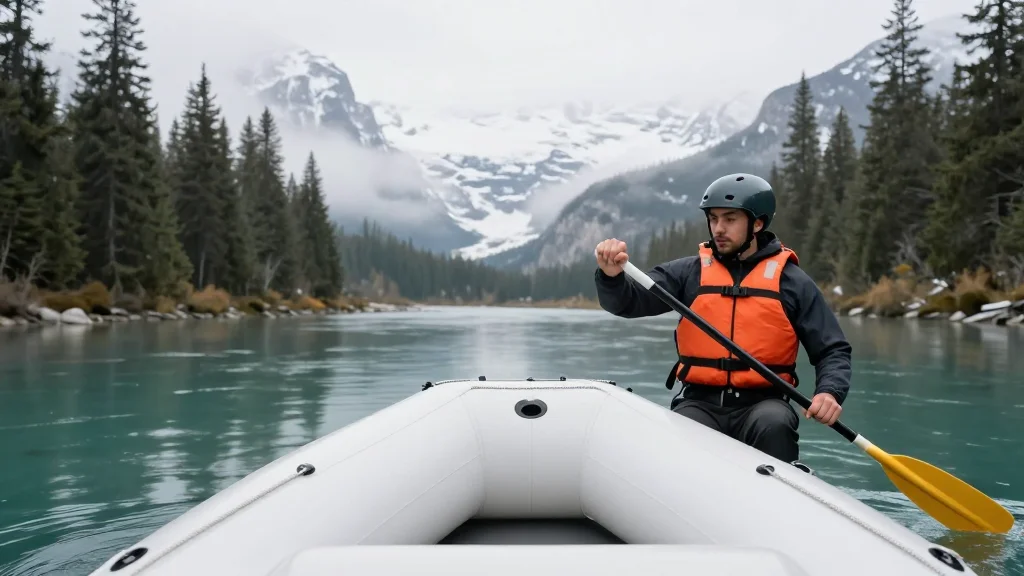
11‑Day Tatshenshini River Rafting Expedition Showcases Remote North American Wilderness

Why It Matters
The Tatshenshini River expedition illustrates how remote wilderness tourism can drive economic opportunities for Indigenous communities and small‑scale operators while spotlighting the need for careful stewardship of fragile ecosystems. By threading through multiple protected areas and First Nations territories, the trip raises awareness of cross‑border conservation initiatives and the cultural significance of the landscape. As climate change accelerates glacial melt and alters river flows, high‑profile adventures like this provide real‑time data points for scientists and policymakers monitoring the health of the watershed. The visibility of such expeditions can also galvanize public support for preserving large, contiguous wilderness corridors that are increasingly rare in North America.
Key Takeaways
- •11‑day guided rafting trip on the Tatshenshini River
- •River sections rated up to Class IV whitewater
- •Passes through UNESCO World Heritage protected lands in Canada and the U.S.
- •Operated by Canadian River Expeditions, starting at Kwäday Dän Kenj i
- •Wildlife sightings include grizzlies, black bears and rare glacier bears
Pulse Analysis
The Tatshenshini expedition is part of a broader shift toward ultra‑remote adventure travel, where the value proposition lies less in luxury amenities and more in authentic immersion. Over the past decade, demand for multi‑day river trips in isolated regions has risen as affluent travelers seek experiences that feel untouched by mass tourism. This trend benefits operators that can navigate complex logistics—border crossings, permits, and limited evacuation options—while maintaining low environmental footprints.
Historically, the North American whitewater market has centered on well‑known rivers such as the Colorado or the Snake. The Tatshenshini’s emergence signals a diversification of the market, drawing attention to the Yukon‑Alaska corridor, an area with relatively few commercial operators. This diversification can alleviate pressure on over‑used rivers, spreading economic benefits to remote Indigenous communities that host launch sites and provide cultural interpretation.
However, increased visibility also raises conservation stakes. More traffic, even in small numbers, can disturb wildlife, especially sensitive species like the glacier bear. Operators must adopt rigorous leave‑no‑trace protocols and work closely with First Nations to ensure that tourism aligns with traditional land stewardship. The success of the Tatshenshini expedition will likely be measured not only by the number of paddlers it attracts but by its ability to set a benchmark for sustainable, cross‑border wilderness tourism.
11‑Day Tatshenshini River Rafting Expedition Showcases Remote North American Wilderness
Comments
Want to join the conversation?
Loading comments...