Why It Matters
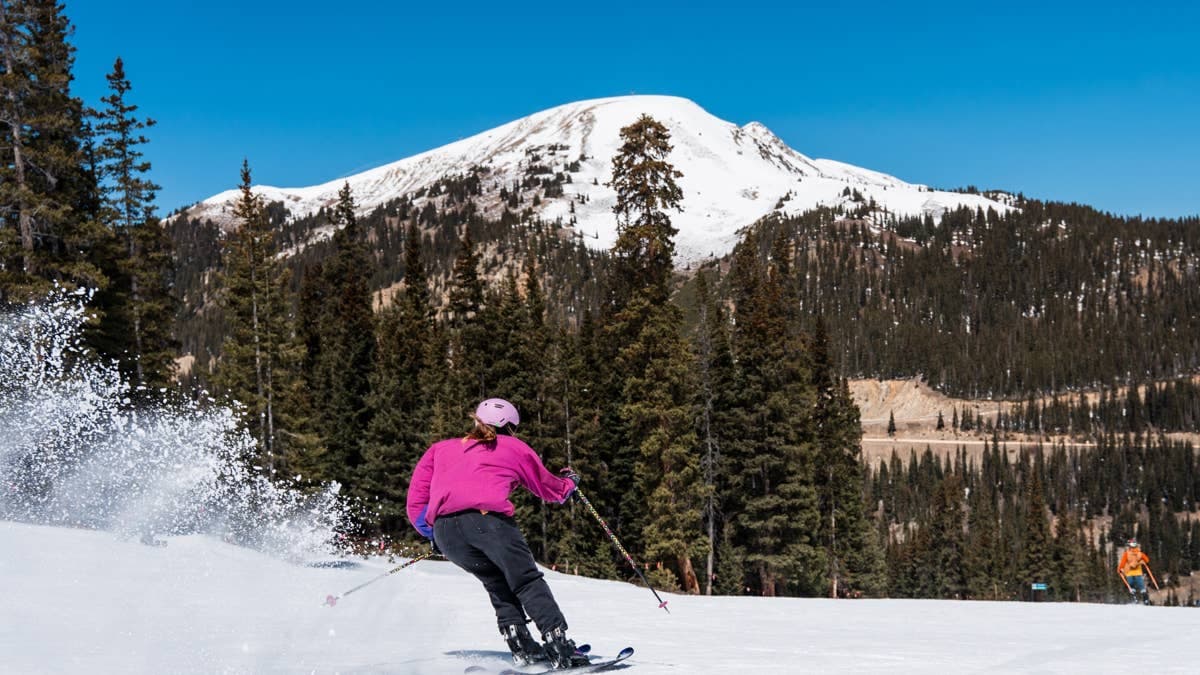
Extended spring skiing boosts resort revenue and showcases how snowmaking can offset climate‑driven volatility, a critical signal for the ski industry’s financial resilience.
Key Takeaways
- •Alta Utah ended season with a powder day
- •Black Mountain NH set record season length using snowmaking
- •Mammoth Mountain aims to stay open through Memorial Day
- •Several resorts schedule weekend-only operations in April
- •Base depths range from 1 foot to 15 feet across locations
Pulse Analysis
The 2025‑26 ski season has been a study in contrasts. While the West grappled with record‑high March temperatures that melted snowpacks and accelerated closures, pockets of late‑season snowfall revived the market. Palisades Tahoe logged over 80 inches of new snow in April, and Mammoth Mountain’s summit still holds ten feet, allowing these resorts to extend lift service well beyond the traditional spring cutoff. This weather swing underscores the growing importance of flexible operations and real‑time snow monitoring for ski areas.
From a business perspective, the ability to stay open later translates directly into higher ancillary revenue—lodging, food‑and‑beverage, and equipment rentals—all of which suffer when seasons end prematurely. Resorts like Black Mountain, New Hampshire, and Camelback, Pennsylvania, leveraged their snowmaking infrastructure to push the calendar further, setting new records for days on the hill. To manage staffing costs, many have adopted weekend‑only schedules, concentrating skier traffic on high‑demand days while preserving cash flow. These tactics illustrate how capital investment in snowmaking and adaptive scheduling can mitigate the financial impact of climate variability.
Looking ahead, spring‑seeking skiers are likely to prioritize resorts that can guarantee snow depth and reliable lift operations into May. The industry’s response—expanding snowmaking capacity, diversifying summer activities, and communicating dynamic opening dates—will shape competitive advantage. Travelers should verify weekend schedules and base‑depth reports before booking, as conditions can shift rapidly. Ultimately, the 2026 season highlights both the challenges and opportunities presented by a warming climate, prompting resorts to innovate or risk losing a lucrative segment of the market.
15 Open Ski Resorts Where You Can Still Score Turns
Comments
Want to join the conversation?
Loading comments...