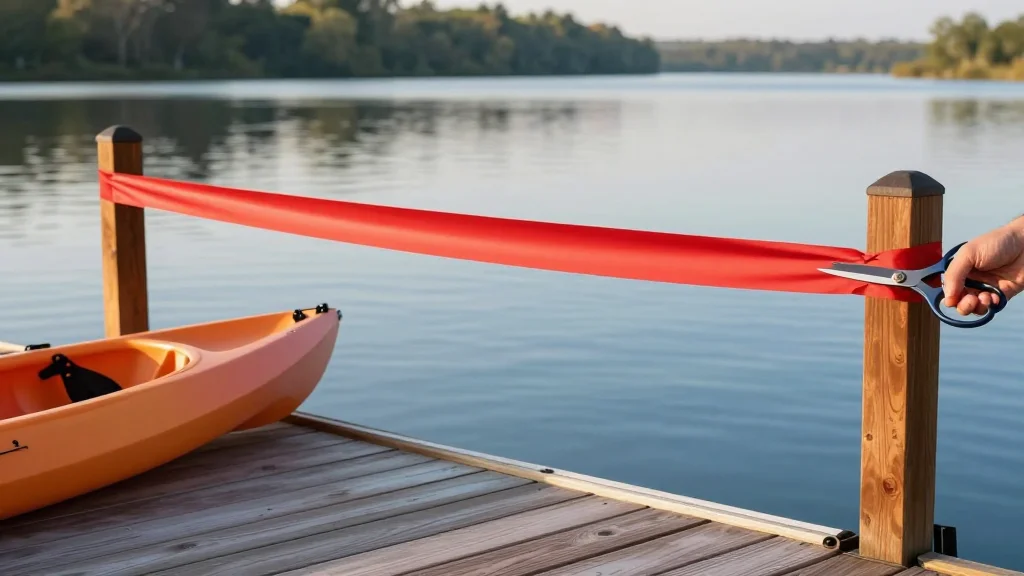
190‑Mile Susquehanna Water Trail Set for Ribbon‑Cutting in Southern Tier

Why It Matters
The Susquehanna Basin Water Trail expands the geographic diversity of outdoor recreation in New York, moving the focus beyond the heavily trafficked Adirondacks and Catskills. By providing a long, navigable water route, the project opens opportunities for paddle‑based tourism, which typically requires different infrastructure and attracts a distinct demographic. This diversification can help balance visitor loads, protect fragile ecosystems, and stimulate economic activity in smaller towns that have historically been bypassed by major tourism flows. Moreover, the trail’s integrated digital platform and built‑in conservation messaging set a precedent for how outdoor recreation projects can embed environmental stewardship directly into the user experience. If successful, the model could be replicated in other regions seeking to grow ecotourism while safeguarding natural resources.
Key Takeaways
- •190‑mile water trail links Susquehanna and Chemung Rivers from Corning to Cooperstown
- •Ribbon‑cutting ceremony scheduled for 11 a.m. at Kinsella Park boat launch in Erwin
- •Digital hub Paddlethe607.com offers GIS maps, safety guidelines and trip planning tools
- •Trail aims to divert visitors from overcrowded Adirondack and Catskill destinations
- •Future Chemung River Greenway project will add a multi‑use path alongside the waterway
Pulse Analysis
The launch of the Susquehanna Basin Water Trail reflects a broader shift in outdoor recreation toward water‑based experiences, a segment that has grown steadily as paddlers seek longer, scenic routes. Historically, New York’s tourism strategy has centered on mountain and forest trails; this water corridor introduces a complementary asset that can attract a different user base, including families and novice paddlers who may be deterred by the technical demands of white‑water or alpine environments.
From an economic standpoint, the corridor’s emphasis on regional towns aligns with the “tourism diffusion” model, where benefits spread beyond traditional hubs. By routing visitors through the Southern Tier’s agrarian valleys, the trail can generate ancillary revenue for local businesses—boat rentals, lodging, eateries—while reducing wear on overused trailheads elsewhere. Early data from similar blueway projects in the Pacific Northwest show a 15‑20% increase in off‑season tourism, suggesting the New York trail could help smooth seasonal demand fluctuations.
Conservation-wise, embedding education into the digital platform is a pragmatic response to the classic dilemma of promoting access while preserving ecosystems. The trail’s design, which leverages existing river infrastructure, minimizes new construction impacts, yet the increased human presence still poses risks. Ongoing monitoring of water quality and wildlife disturbance will be essential to ensure that the economic gains do not come at the expense of the very natural assets that make the corridor attractive.
Looking ahead, the Chemung River Greenway could transform the corridor into a multimodal network, linking paddlers with cyclists and hikers. If the greenway materializes, the combined system would position the Southern Tier as a premier, year‑round outdoor destination, potentially reshaping New York’s tourism map for the next decade.
190‑Mile Susquehanna Water Trail Set for Ribbon‑Cutting in Southern Tier
Comments
Want to join the conversation?
Loading comments...