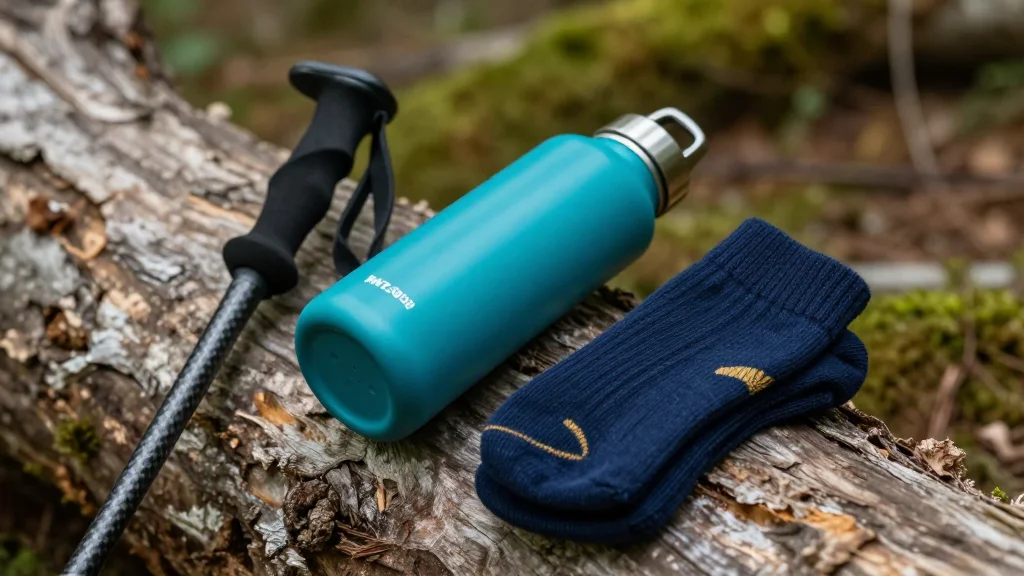
2026 AT Thru-Hikers Crown Light Poles, Reusable Bottles and Darn Tough Socks as Top Gear

Why It Matters
The gear choices of Appalachian Trail thru‑hikers serve as a bellwether for the broader outdoor industry. When the most seasoned hikers adopt specific products, retail partners and manufacturers interpret those endorsements as proof of performance, prompting wider distribution and influencing consumer purchasing patterns. The emphasis on ultra‑lightweight poles, reusable bottles and lifetime‑guaranteed socks also reflects a cultural shift toward sustainability and health‑focused design, trends that are reshaping product development across camping, climbing and backcountry markets. Furthermore, the feedback loop created at events like AT Trail Days accelerates innovation cycles. Brands can iterate quickly based on real‑world data, reducing the lag between prototype and market. This dynamic benefits not only elite hikers but also casual weekend backpackers who ultimately gain access to refined, affordable gear derived from the rigorous testing ground of the Appalachian Trail.
Key Takeaways
- •Gossamer Gear LT5 carbon trekking poles weigh 4.9 oz per pole and are praised for reducing joint strain on descents.
- •Mazama’s M!go water bottle, under 5 oz, features a screw‑off top that doubles as a shaker and scoop.
- •Darn Tough socks offer a lifetime warranty, allowing hikers to swap for new pairs at no cost.
- •Thru‑hiker feedback highlights a market demand for ultra‑light, multi‑function, sustainable gear.
- •Industry analysts note a 12 % YoY rise in sales of lightweight hiking equipment, driven by long‑distance hikers.
Pulse Analysis
The gear preferences voiced at Appalachian Trail Days underscore a maturation of the ultralight movement that began a decade ago. Early adopters once tolerated heavier, single‑purpose items, but today’s thru‑hikers demand equipment that serves multiple roles—poles that double as tent supports, bottles that function as shakers, and socks that come with a no‑questions‑asked replacement policy. This convergence of functionality and durability is forcing legacy outdoor brands to rethink product roadmaps. Companies that cling to traditional designs risk losing relevance as the hiking community gravitates toward modular, carbon‑fiber solutions.
From a competitive standpoint, the spotlight on Gossamer Gear and Mazama illustrates how niche manufacturers can out‑shine larger incumbents by focusing on specific pain points. Gossamer’s carbon poles, for instance, address the chronic issue of joint fatigue, a problem that larger firms have only partially solved with heavier aluminum alternatives. Meanwhile, Darn Tough’s warranty model creates a loyalty loop that is difficult for competitors to replicate without sacrificing profit margins. The challenge for big players will be to integrate similar warranty structures or partner with boutique brands to offer co‑branded solutions.
Looking ahead, the data suggests that the next wave of innovation will center on integrated systems—think collapsible water reservoirs built into pole shafts or socks with embedded antimicrobial fibers. As climate change pushes hikers into hotter, more demanding environments, the demand for gear that mitigates health risks while staying feather‑light will only intensify. Brands that anticipate these needs and invest in sustainable materials will likely dominate the market share of the next generation of long‑distance hikers.
2026 AT Thru-Hikers Crown Light Poles, Reusable Bottles and Darn Tough Socks as Top Gear
Comments
Want to join the conversation?
Loading comments...