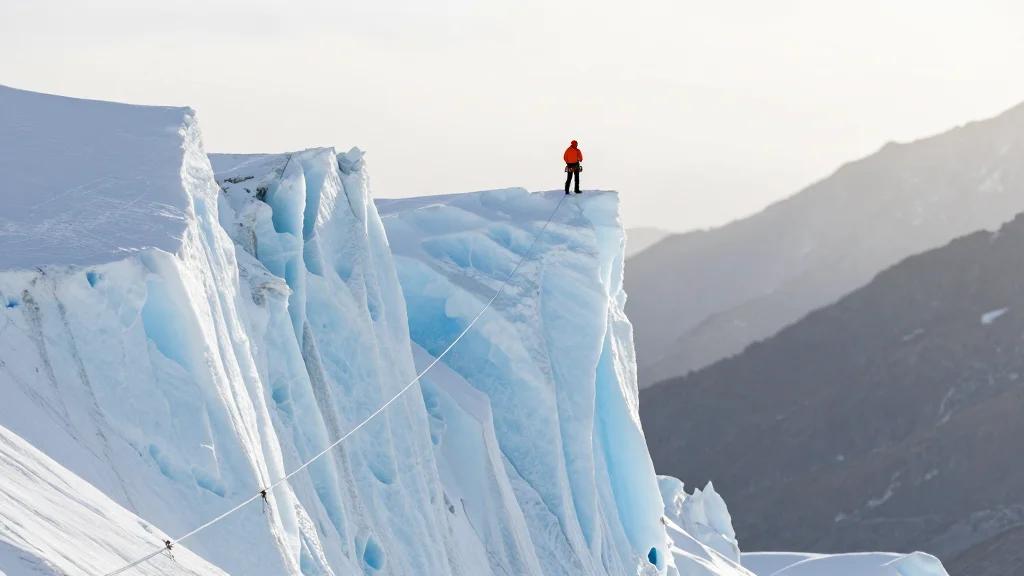
410 Climbers Press On as Everest Season Opens Late Amid Massive Ice Block and Soaring Costs

Why It Matters
The convergence of a hazardous serac, inflated costs, and a delayed climbing window highlights the growing tension between adventure tourism and mountain safety. As climate change accelerates glacier melt, the Khumbu Icefall may become increasingly unpredictable, forcing regulators and operators to rethink risk mitigation strategies. Moreover, the shift toward Asian climbers reflects broader economic realignments in high‑altitude tourism, potentially reshaping the cultural and financial dynamics of Everest expeditions. If the serac collapses or the season’s narrow weather window closes, the human and financial toll could be severe, prompting calls for stricter permit controls, higher safety standards, and perhaps a reevaluation of the commercial model that has turned Everest into a mass‑market product. The decisions made this season will set precedents for how the world’s most iconic peak is accessed in an era of environmental uncertainty.
Key Takeaways
- •Approximately 410 climbers and 410 Nepali guides are at base camp despite a late season start.
- •A massive, cracked serac in the Khumbu Icefall remains a critical safety hazard.
- •Permit fees and travel costs have risen sharply, deterring many Western climbers.
- •Asian climbers are increasing their share of the expedition roster this year.
- •SPCC opened the Icefall route on April 29 but warned the serac could collapse at any time.
Pulse Analysis
Everest’s 2026 season underscores a pivotal moment for high‑altitude tourism. Historically, the mountain’s allure rested on its mystique and the limited number of permits, which kept traffic manageable and allowed for a degree of self‑regulation among expedition operators. Today, soaring costs and a surge in demand—particularly from Asian markets—have transformed Everest into a quasi‑mass‑tourism destination. This shift pressures the fragile Khumbu Icefall, where a single serac failure can trigger catastrophic avalanches, as seen in 2014.
The SPCC’s decision to open the Icefall route later than usual reflects both logistical constraints and a cautious approach to safety. By issuing a public warning and mandating reduced loads, the committee signals a move toward more proactive risk management, a trend likely to accelerate as climate‑induced glacier instability becomes the norm. Operators that invest in experienced Sherpa guides and adopt early‑day ascent strategies may gain a competitive edge, while those that ignore the heightened hazards could face reputational damage or legal repercussions.
Economically, the rising permit fees and travel expenses create a barrier that reshapes the demographic profile of climbers. Western adventurers, often backed by corporate sponsorships, are scaling back, whereas wealthier Asian clients—who view Everest as a status symbol—continue to fund expeditions. This realignment may prompt Nepal’s tourism ministry to reconsider its pricing model, balancing revenue needs against the imperative to preserve the mountain’s safety and environmental integrity. In the long term, the 2026 season could serve as a case study for how iconic natural sites adapt to the twin pressures of climate change and commercial exploitation.
410 Climbers Press On as Everest Season Opens Late Amid Massive Ice Block and Soaring Costs
Comments
Want to join the conversation?
Loading comments...