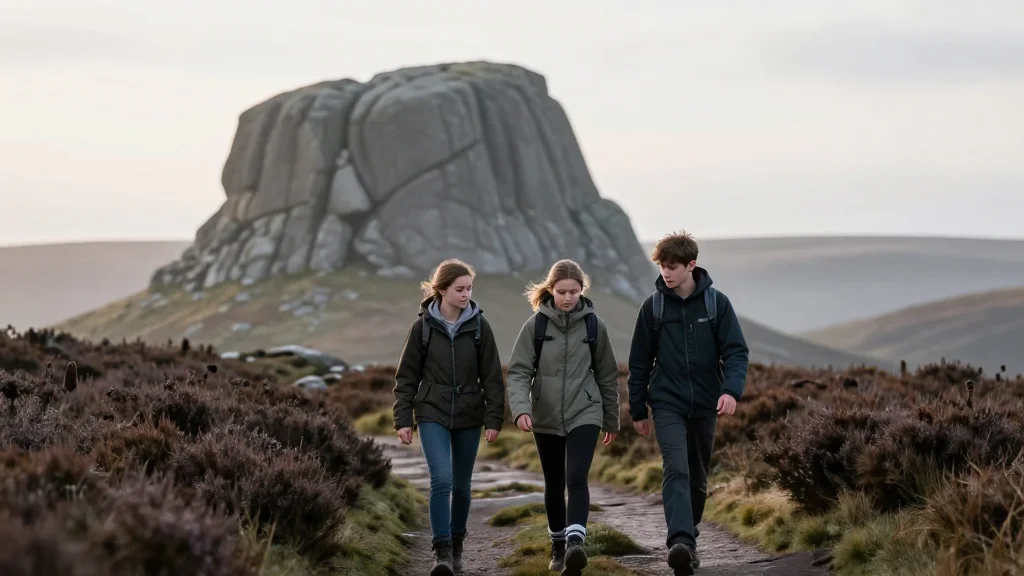
440 Teams of Teens Tackle Dartmoor's Ten Tors Challenge in Record Turnout

Why It Matters
The Ten Tors Challenge illustrates how large‑scale, multi‑day outdoor events are becoming a cornerstone of youth development in the UK, offering experiential learning that complements classroom instruction. By fostering navigation, resilience and teamwork, the event helps address concerns about sedentary lifestyles and mental‑health pressures among teenagers. Moreover, the involvement of military personnel and the emphasis on safety set a benchmark for other outdoor programmes seeking to balance adventure with risk mitigation. As schools increasingly prioritize outdoor curricula, the Ten Tors model could influence policy and funding decisions, encouraging investment in rural infrastructure, training for adventure leaders and the development of standardized safety frameworks. The event’s success may also spur similar initiatives in other regions, expanding access to high‑quality outdoor experiences for a broader demographic of young people.
Key Takeaways
- •440 teams (≈2,640 teens) gathered at Okehampton Camp for the Ten Tors Challenge.
- •Routes span 35, 45 or 55 miles, requiring self‑navigation across Dartmoor’s northern moorland.
- •Military officers lead the event, emphasizing safety and rigorous preparation.
- •Special‑needs Jubilee Challenge runs alongside the main trek, highlighting inclusivity.
- •Organisers plan to refine risk protocols and expand capacity for next year’s event.
Pulse Analysis
The Ten Tors Challenge is more than a weekend trek; it signals a shift in how the UK approaches youth development through outdoor adventure. Historically, such expeditions were niche, often limited to scouting groups or elite schools. Today, the involvement of public‑sector partners like the Army and the scaling to thousands of participants reflect a democratization of wilderness experiences. This trend aligns with government initiatives to increase physical activity among young people and to embed resilience training into education.
From a market perspective, the event creates a ripple effect for ancillary services—gear suppliers, transport providers, and local hospitality—boosting rural economies that depend on seasonal tourism. The demand for high‑quality, safety‑certified equipment is likely to rise, prompting manufacturers to innovate lightweight, weather‑resistant kits tailored for teenage users. Meanwhile, the growing emphasis on risk management may drive a new segment of certification programmes for adventure leaders, blending military best practices with civilian education standards.
Looking ahead, the Ten Tors model could serve as a template for other regions seeking to harness outdoor education as a tool for social development. If the organizers successfully address capacity constraints and environmental stewardship, the challenge could expand beyond Dartmoor, fostering a network of comparable events across the UK and potentially Europe. The key will be balancing growth with the core values of self‑reliance and teamwork that have defined Ten Tors for over six decades.
440 Teams of Teens Tackle Dartmoor's Ten Tors Challenge in Record Turnout
Comments
Want to join the conversation?
Loading comments...