Why It Matters
Understanding permit dynamics, terrain difficulty, and on‑trail logistics helps hikers avoid costly delays, injuries, and missed experiences in one of America’s most visited national parks.
Key Takeaways
- •Permit lottery is toughest; daily lottery and on‑trail swaps exist
- •Backpacking halves daily mileage, avoids early‑morning crowds
- •Subdome switchbacks drain legs more than cable section
- •Turning back at cables is common and safe
- •Check Curry Village dining hours; cell service is spotty
Pulse Analysis
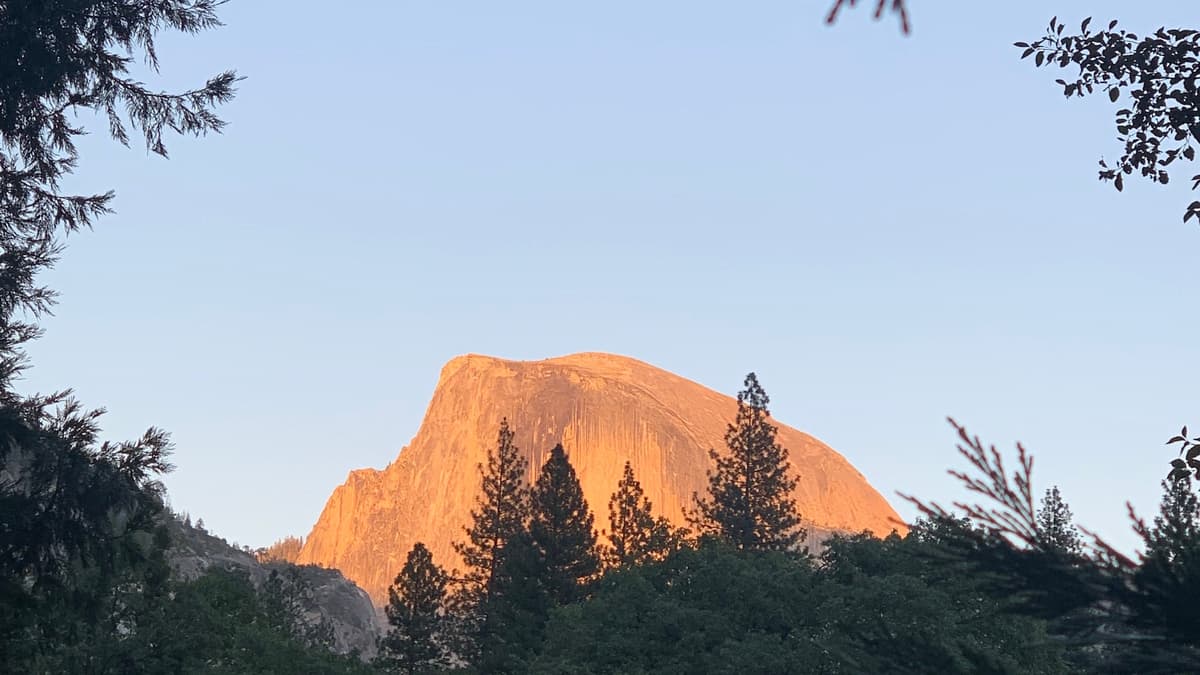
Securing a Half Dome permit remains a major hurdle for Yosemite visitors. The recreation.gov lottery releases results each April, and the odds are slim, prompting many to rely on the secondary daily lottery or informal on‑trail swaps. Hikers who arrive early and monitor the permit board can sometimes acquire a spare, but this strategy carries risk and requires flexibility in group size. Understanding these nuances allows adventurers to allocate time and budget more efficiently, reducing the chance of a last‑minute scramble.
Physical preparation is equally critical. While the cable ascent garners most headlines, the subdome’s steep, exposed switchbacks often prove more taxing on the quadriceps. Proper footwear, grip gloves, and targeted leg training can mitigate fatigue, yet many hikers still opt to turn back at the cables when weather turns slick or confidence wanes. This decision, though sometimes viewed as a failure, is a prudent safety measure that preserves health and encourages repeat attempts under better conditions.
Beyond the summit, logistical details shape the overall experience. Backpacking Half Dome spreads mileage over two days, eliminating the need for pre‑dawn starts and easing the strain of a 17‑mile, 5,000‑foot day hike. However, hikers must plan water stops—only a filtered source near Vernal Falls—and pack lightweight meals. Cell coverage remains unreliable in the valley, so checking Curry Village’s Pizza Deck hours ahead of time prevents unnecessary sprinting for dinner. By integrating permit strategy, terrain awareness, and on‑ground logistics, hikers can transform a daunting climb into a well‑executed adventure.
5 Things I Wish I Knew Before Hiking Half Dome
Comments
Want to join the conversation?
Loading comments...