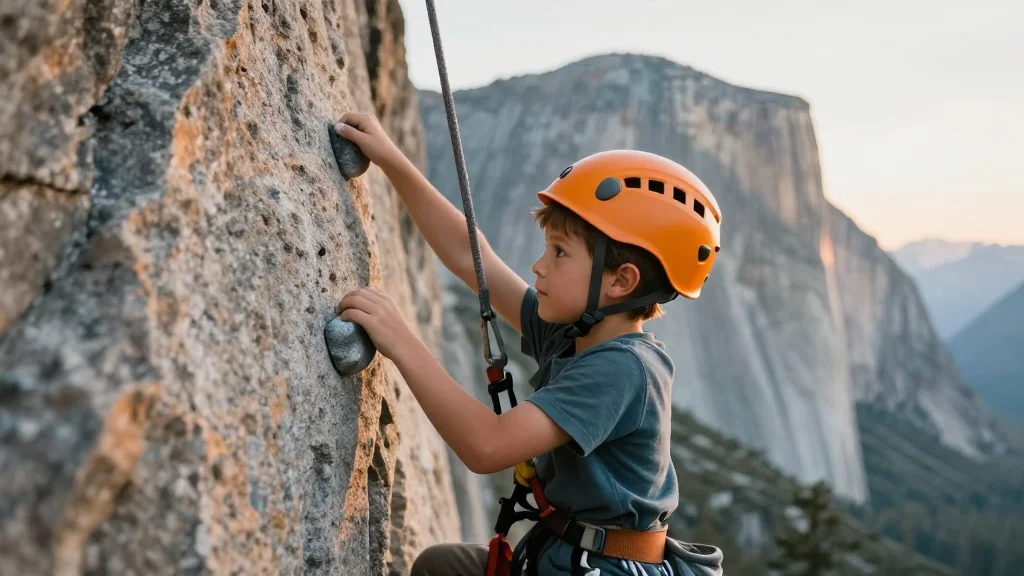

Why It Matters
Joey Danger’s ascent spotlights a shifting cultural narrative that young athletes can safely engage in extreme outdoor challenges, potentially broadening participation and driving growth in youth‑focused adventure tourism. At the same time, the ethical debate underscores the need for clear standards that balance safety, authenticity, and the sport’s heritage, influencing everything from guide certification to equipment design. If the climbing community reaches a consensus on jugging as a legitimate style, it could open pathways for more inclusive training curricula, encouraging families to pursue big‑wall experiences earlier. Conversely, a backlash could tighten regulations, limiting access for younger climbers and reshaping how guide services market their offerings.
Key Takeaways
- •Joey Danger Evermore, age 7, completed a five‑day jugging ascent of El Capitan on May 20, 2026.
- •The climb broke the previous record set by his brother Sam Evermore, who summited at age 8 in 2022.
- •The ascent used mechanical ascenders on a fixed rope placed by his father and professional guides.
- •Veteran climber Hans Florine defended the effort, calling it an "exhausting physical trial" for adults.
- •The feat reignited debate over the ethics of jugging versus traditional rock climbing.
Pulse Analysis
Joey’s record sits at the intersection of two powerful trends: the democratization of extreme sports and the commercialization of youth adventure. Over the past decade, climbing gyms have proliferated, and media platforms have amplified spectacular feats, creating a pipeline that encourages younger participants to aim for high‑profile objectives. Joey’s climb leverages this pipeline, turning a family‑led expedition into a global headline, which in turn fuels demand for specialized gear, guided services, and sponsorships targeting the under‑18 demographic.
Historically, big‑wall climbing has been the domain of seasoned adults, with milestones like Lynn Hill’s free ascent of The Nose serving as cultural touchstones. The emergence of jugging as a viable pathway for youth reframes the narrative: success is measured less by pure technique and more by endurance, logistics, and team coordination. This shift could erode the traditional hierarchy that privileges free‑climbing purists, prompting climbing federations to revisit rulebooks and competition categories. If the sport embraces jugging, we may see new record‑keeping bodies, similar to those in marathon running, that recognize age‑based achievements regardless of style.
Looking ahead, the industry will likely respond with a two‑pronged approach. First, guide companies will develop certified youth programs that incorporate safety‑first jugging curricula, capitalizing on parental willingness to invest in high‑stakes experiences. Second, equipment manufacturers will innovate lighter, child‑friendly ascenders and portaledge systems, creating a niche market segment. However, any regulatory pushback—such as age restrictions on certain routes—could temper growth, forcing the community to negotiate a balance between safety, authenticity, and the commercial allure of record‑breaking youth climbs.
7‑Year‑Old Joey Danger Becomes Youngest to Summit El Capitan
Comments
Want to join the conversation?
Loading comments...