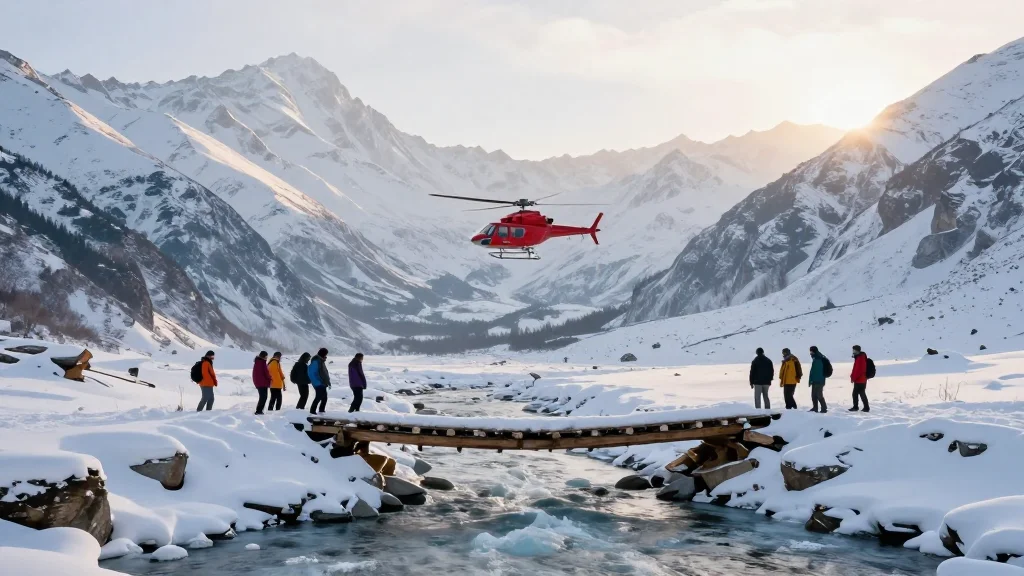
800 Tourists Trapped in North Sikkim After Road Breach Halts Access

Why It Matters
The stranded‑tourist episode underscores the thin margin between adventure and risk in remote outdoor destinations. As climate change amplifies weather volatility, infrastructure in fragile mountain regions faces heightened stress, raising questions about the adequacy of emergency preparedness and the responsibility of tour operators to assess route safety. The incident also puts a spotlight on the need for real‑time communication channels that can keep visitors informed when conventional networks fail. For the broader outdoor tourism sector, the event serves as a cautionary tale that could prompt stricter regulatory oversight, more robust contingency planning, and greater investment in resilient transport corridors. Failure to address these gaps may erode traveler confidence in high‑altitude experiences, potentially reshaping demand patterns across the Himalayas and similar mountain tourism markets.
Key Takeaways
- •Nearly 800 tourists stranded after a breach near the Tarum Chu bridge cut the Lachen–Chungthang road.
- •State officials, the Indian Army, ITBP and BRO are conducting snow‑clearing operations on Dongkya La Pass (>17,000 ft).
- •Tourists are sheltering in hotels turned temporary shelters; connectivity remains limited.
- •Authorities have labeled the rescue effort a “war‑footing” operation and will evacuate once weather improves.
- •The incident highlights growing safety concerns for remote mountain tourism amid climate‑driven weather extremes.
Pulse Analysis
The Lachen incident arrives at a moment when outdoor tourism is expanding rapidly in the Indian Himalayas, driven by both domestic and international demand for high‑altitude experiences. Historically, the region has relied on a single arterial road to connect remote villages, a vulnerability that is now being exposed by more frequent extreme weather events. The current crisis could accelerate a shift toward diversified access strategies, such as developing secondary routes, enhancing air‑lift capabilities, and investing in early‑warning systems that integrate satellite monitoring with local weather stations.
From a market perspective, tour operators may face heightened liability pressures. Insurance premiums for Himalayan itineraries could rise, and operators might be forced to embed stricter risk‑assessment protocols, including mandatory altitude acclimatization periods and real‑time route verification. Meanwhile, local economies that depend on tourism revenue could suffer short‑term losses, prompting state governments to consider subsidies or emergency funds to support affected businesses.
Looking ahead, the incident may catalyze policy reforms at both the state and national levels. The Border Roads Organisation, already tasked with maintaining strategic highways, could see its mandate expanded to include civilian tourism corridors, ensuring that critical mountain passes receive priority snow‑clearance and structural reinforcement. If authorities can demonstrate swift, coordinated action, confidence in the region’s safety can be restored; failure to do so risks a longer‑term reputational hit that could divert travelers to alternative mountain destinations in Nepal, Bhutan or the European Alps.
800 Tourists Trapped in North Sikkim After Road Breach Halts Access
Comments
Want to join the conversation?
Loading comments...