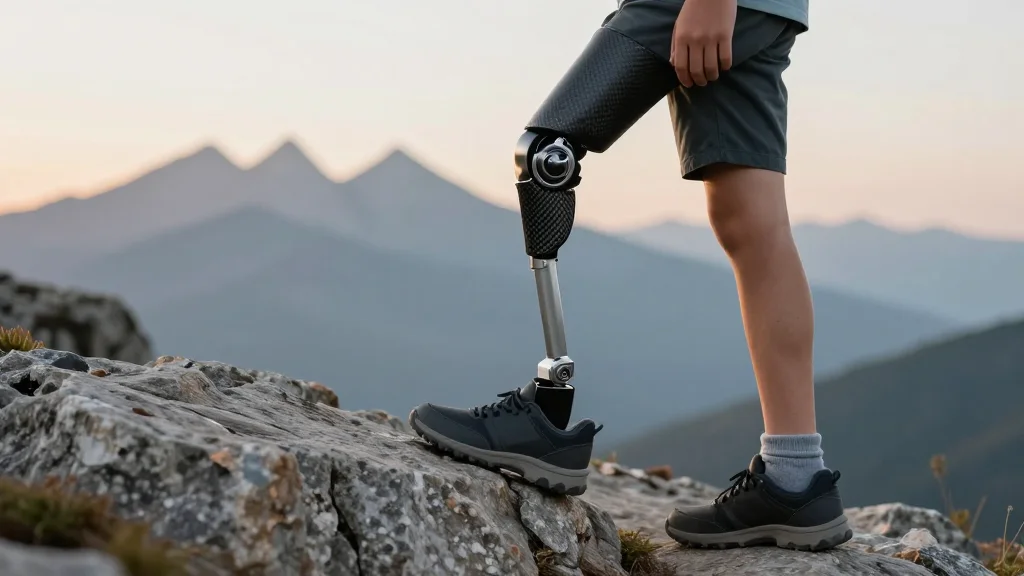
9‑Year‑Old Amputee Aims to Become Youngest to Complete Three Peaks Challenge

Why It Matters
Albie‑Junior’s pursuit underscores a pivotal shift in outdoor recreation: the move from exclusive, able‑bodied narratives to stories that celebrate adaptive achievement. By targeting a classic endurance test, the Thomas family challenges stereotypes about disability and demonstrates that high‑performance adventure is attainable with proper training, equipment, and community support. The fundraising angle also illustrates how inclusive sport can serve broader social goals, strengthening local clubs and encouraging grassroots investment in adaptive infrastructure. If successful, the record will likely inspire outdoor organizations, schools, and charities to develop programs that lower barriers for disabled youth. It may also prompt manufacturers to innovate lighter, more durable prosthetic components tailored for rugged terrain, accelerating a market trend toward truly inclusive outdoor gear.
Key Takeaways
- •Albie‑Junior Thomas, 9, aims to become youngest amputee to finish the Three Peaks Challenge on Aug 18.
- •He will summit Ben Nevis, Scafell Pike and Snowdon in under 24 hours, raising funds for Holywell Town FC.
- •Training includes weekly Snowdon climbs, night navigation drills, and an 18‑week fitness regimen.
- •The boy lost his left foot at 15 months due to fibular hemimelia and uses a prosthetic blade he describes as a ‘normal foot.’
- •Success could boost adaptive outdoor participation and influence equipment design for disabled athletes.
Pulse Analysis
Albie‑Junior’s endeavor arrives at a moment when the outdoor industry is grappling with inclusivity. Brands from Patagonia to The North Face have launched adaptive lines, yet real‑world testing remains limited. A high‑visibility record attempt like this provides a live case study, potentially accelerating product development cycles and prompting trail managers to consider accessibility in maintenance plans. Moreover, the family’s grassroots fundraising model demonstrates a sustainable pathway for community clubs to support adaptive athletes without relying solely on large grants.
Historically, record‑setting mountain challenges have been dominated by able‑bodied climbers, reinforcing a narrow definition of adventure. Albie‑Junior’s narrative reframes the conversation, positioning disability as a facet of athletic identity rather than an obstacle. If the challenge succeeds, it could catalyze a wave of similar attempts, prompting national bodies such as the British Mountaineering Council to formalize adaptive categories in competitions and certifications. This shift would not only broaden participation but also diversify the talent pool feeding into elite Paralympic pathways.
Looking ahead, the Thomas family’s media strategy—live updates, social‑media engagement, and community fundraising—offers a blueprint for other adaptive athletes seeking sponsorship and public support. As the outdoor sector continues to prioritize sustainability and inclusivity, stories like Albie‑Junior’s will likely become central to brand narratives, influencing both marketing and product design for years to come.
9‑Year‑Old Amputee Aims to Become Youngest to Complete Three Peaks Challenge
Comments
Want to join the conversation?
Loading comments...