A Critical Delay on Mount Everest Is Raising Anxieties Over Crowding and Congestion
Why It Matters
The postponement jeopardizes safety and could force a congested summit window, impacting both climber risk and the financial outlook for Everest expedition companies.
Key Takeaways
- •Khumbu Icefall route delayed past typical early‑April completion
- •Potential crowding could compress summit attempts into a narrow window
- •Guides are using nearby peaks for acclimatization while waiting
- •Icefall Doctors cite unstable serac that may collapse imminently
- •Large expedition operators face client pressure amid route uncertainty
Pulse Analysis
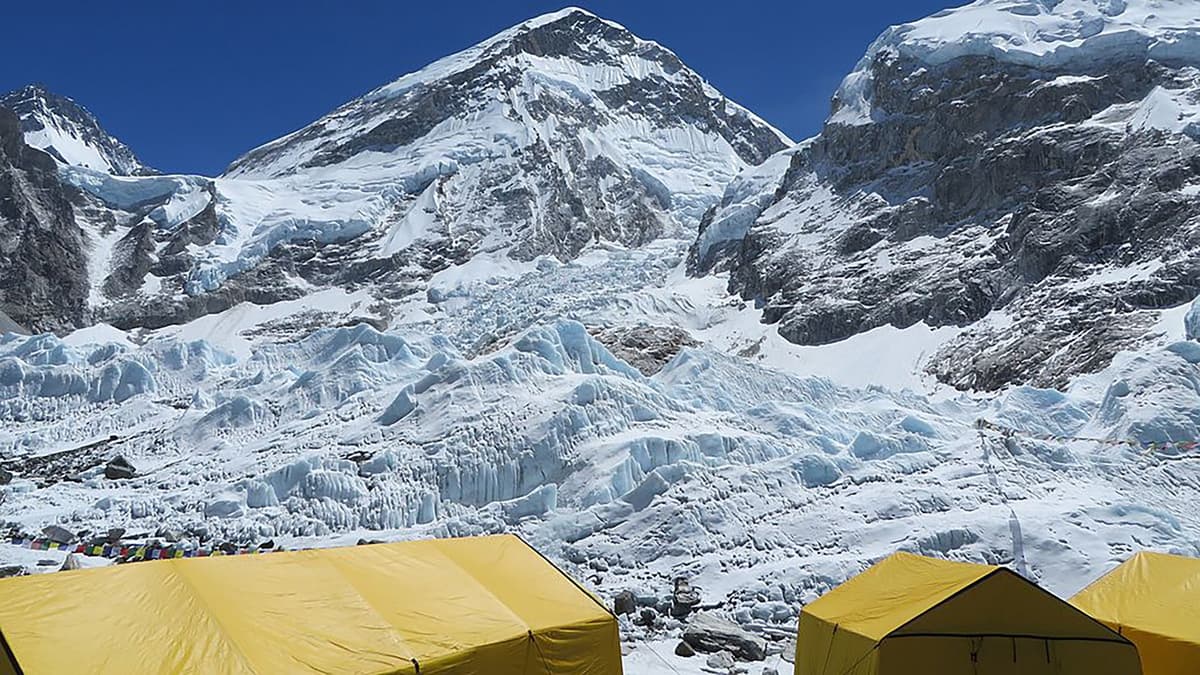
The Khumbu Icefall is the first technical obstacle on the ascent of Mount Everest, and its stability dictates when the season can safely begin. Nepali "Icefall Doctors" spend weeks installing ladders, ropes, and pitons to navigate the glacier’s treacherous crevasses. This year, an unstable serac—an overhanging tower of ice—has forced the team to pause work, echoing the fatal avalanches of 2014 and 2023 that claimed multiple lives. Their caution underscores the mountain’s unforgiving nature and the essential role of meticulous route preparation in protecting both local workers and paying clients.
A delayed opening compresses the narrow weather windows that climbers rely on, potentially funneling dozens of teams into a single summit push in mid‑May. Guides report that without the early fix, acclimatization climbs are being shifted to subsidiary peaks such as Pumori, Island Peak, and Lobuche East, extending logistical timelines and increasing costs for expedition operators. Companies like Seven Summit Treks, which manage near‑hundred‑person rosters, now face heightened client anxiety and the risk of revenue loss if the season’s peak days become overcrowded or are forced into later, less predictable weather periods.
The incident also highlights broader climate‑driven challenges for high‑altitude mountaineering. Warmer temperatures accelerate ice melt and destabilize seracs, making route‑fixing windows increasingly volatile. Operators are exploring drone surveillance, real‑time ice‑movement modeling, and alternative ascent paths to mitigate these risks. As the industry adapts, the balance between commercial demand and safety will hinge on investment in technology and stronger coordination with Nepal’s regulatory bodies, ensuring that Everest remains a viable, albeit carefully managed, destination for adventure tourism.
A Critical Delay on Mount Everest Is Raising Anxieties Over Crowding and Congestion
Comments
Want to join the conversation?
Loading comments...