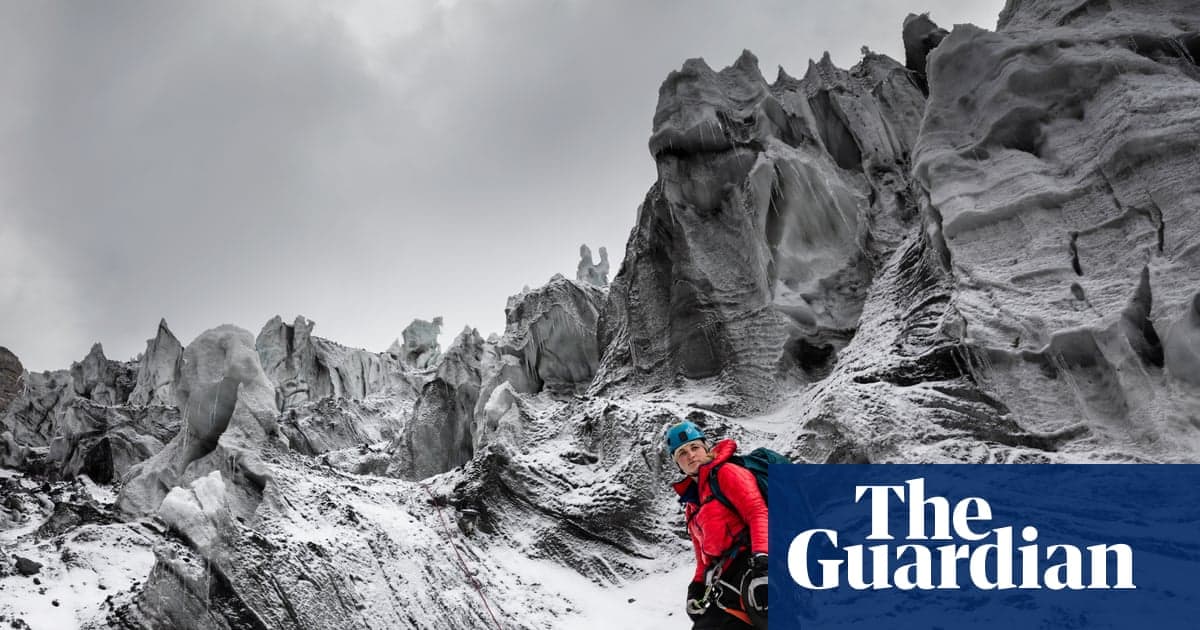
A Moment that Changed Me: I Was Desperate to Get Off the Mountain – and that Gut Instinct Saved My Life
Why It Matters
The story illustrates the critical role of intuition and proactive risk management in remote adventure tourism, where delayed decisions can mean the difference between life and death.
Key Takeaways
- •Lucy and Tim left Tajikistan base camp a day early
- •Helicopter crash killed five climbers; survivors rescued after night
- •Gut instinct prompted early departure, likely saving their lives
- •Remote Pamir climbs face unstable ice, poor fixed lines
Pulse Analysis
Adventure tourism has surged in recent years, drawing thrill‑seekers to remote mountain ranges like the Pamirs. While these expeditions promise unparalleled scenery, they also bring heightened logistical challenges: limited rescue infrastructure, language barriers, and unpredictable weather. Helicopter transport, often the only viable extraction method, carries inherent risks, especially when operating at high altitude over unstable glacier surfaces. The industry therefore faces pressure to balance the allure of off‑the‑grid experiences with robust safety protocols that can mitigate catastrophic outcomes.
Lucy Shepherd’s account offers a vivid case study of intuition intersecting with high‑stakes decision‑making. She describes an inexplicable sense of unease that prompted her to push for an earlier helicopter departure, despite bureaucratic resistance. In contrast to fear, which can paralyze, her gut instinct acted as a subtle alarm, leading to a concrete action that likely saved her and her partner’s lives. This distinction between fear and intuition is increasingly relevant for climbers, guides, and expedition planners who must evaluate ambiguous cues—such as deteriorating ice conditions or unreliable fixed lines—under time pressure.
The broader implication for the adventure‑travel sector is a renewed emphasis on proactive risk assessment and clear communication channels. Operators should empower clients to voice concerns without fear of reprisal and incorporate real‑time environmental monitoring into flight planning. Training programs that teach participants to recognize and trust their internal signals can complement traditional safety checklists. By integrating intuition with systematic safety measures, the industry can better protect its clientele while preserving the spirit of exploration that drives modern mountaineering.
A moment that changed me: I was desperate to get off the mountain – and that gut instinct saved my life
Comments
Want to join the conversation?
Loading comments...