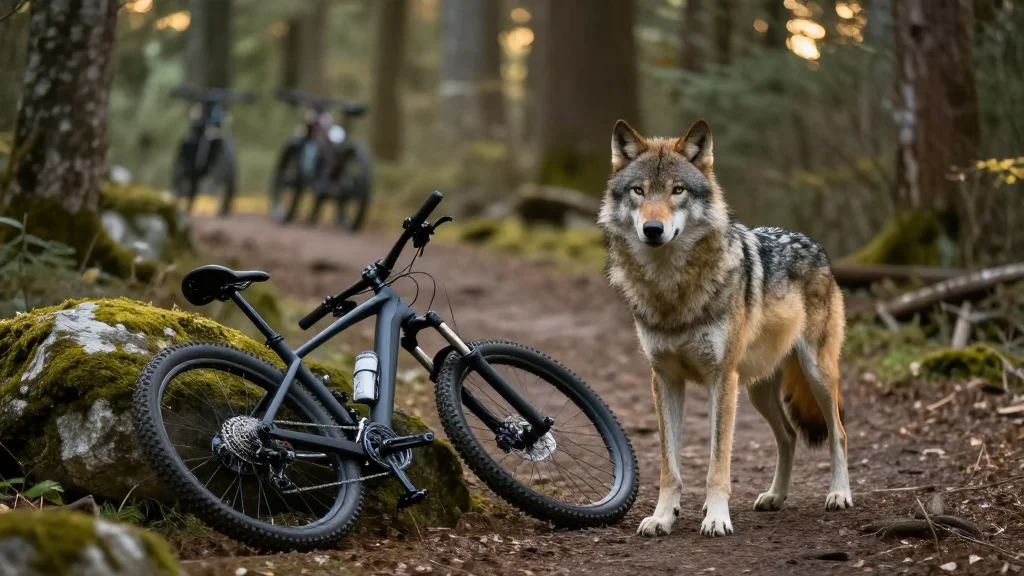
A Quiver Beats a Quiver-Killer when It Comes to Mountain Bikes
Companies Mentioned
Why It Matters
The insight reshapes how manufacturers and retailers position product lines, emphasizing diversified offerings that cater to both single‑bike enthusiasts and riders who value a versatile fleet.
Key Takeaways
- •60% prefer one versatile bike over multiple average models
- •Quiver spreads cost, avoids single‑bike technology risk
- •Multiple bikes ensure ride continuity during repairs
- •Different bikes excel on varied terrain and skill levels
- •Gradual bike upgrades align with rider progression
Pulse Analysis
The 60 % figure from Singletracks’ survey signals a subtle but meaningful shift in mountain‑bike buying behavior. While the headline suggests a preference for a single, do‑all bike, the deeper narrative reveals that many riders still see value in a curated quiver. This duality forces brands to balance flagship all‑mountain models with niche hardtails, enduro, and short‑travel machines that can slot into a rider’s growing collection. Retailers that stock a breadth of frames and components stand to capture incremental spend as cyclists upgrade piece by piece rather than making a one‑off, high‑ticket purchase.
Financially, a quiver spreads risk across multiple assets, shielding riders from the rapid depreciation that follows each new suspension or drivetrain release. At the high end, a “super‑bike” can lose value within a single season as carbon‑fiber frames and electronic shifting become standard. By purchasing a solid hardtail first and adding a full‑suspension trail bike later, consumers keep capital out of the market longer and avoid locking themselves into a technology that may soon be obsolete. Manufacturers respond by offering modular platforms and upgrade paths, turning a single chassis into a multi‑purpose tool.
Beyond economics, a bike quiver solves practical problems: a broken chain or a damaged shock no longer grounds a weekend ride, and each bike can be tuned for specific terrain—hardtails for flowy cross‑country, full‑suspension for aggressive descents, short‑travel for mixed climbs. This versatility fuels community sharing, as riders can loan a spare to friends, reinforcing brand loyalty. Looking ahead, the industry is likely to see more “mix‑and‑match” marketing, promoting interchangeable components that let cyclists expand their quiver without buying entirely new frames, a trend that aligns with the growing consumer appetite for both performance and flexibility.
A quiver beats a quiver-killer when it comes to mountain bikes
Comments
Want to join the conversation?
Loading comments...