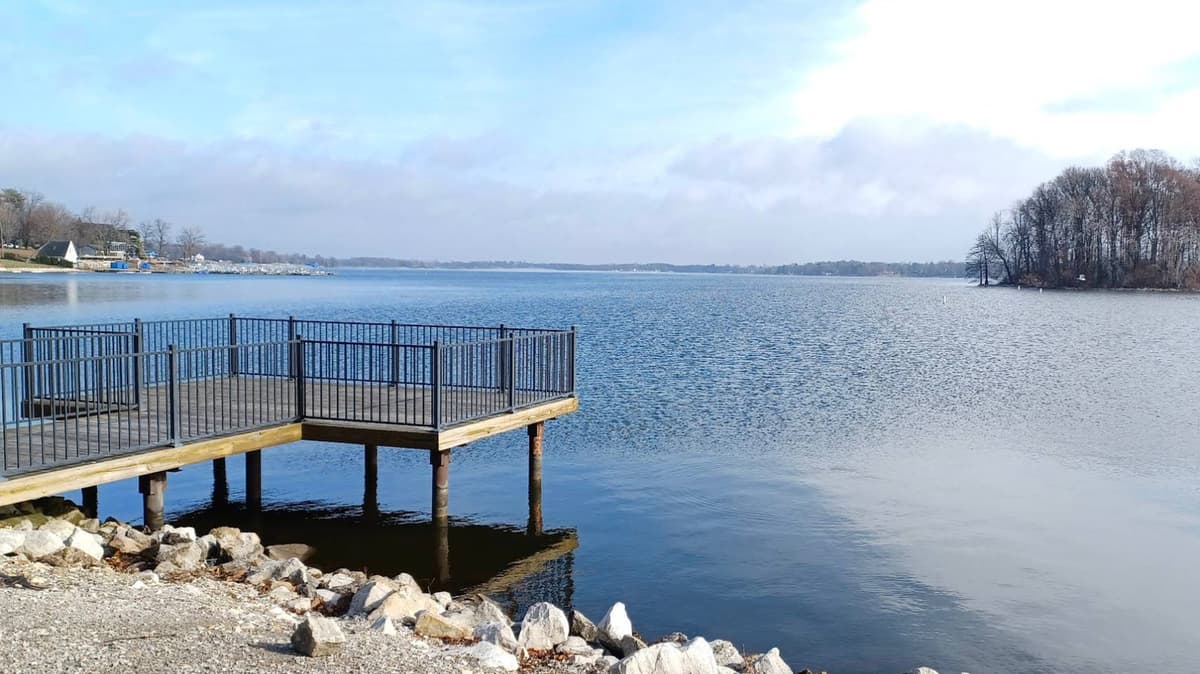
A Summer Lake Escape Near Illinois' Capital City Offers Boating Days, Picnic Parks, And Sunset Dining
Why It Matters
The lake’s blend of water‑based activities and cultural attractions boosts Springfield’s tourism revenue and diversifies the city’s economic base beyond historic sites. Its popularity underscores growing demand for suburban outdoor leisure venues in the post‑pandemic era.
Key Takeaways
- •Lake Springfield spans 4,200 acres with 57 miles shoreline.
- •Six boat launches; marina rents kayaks, pontoons, party barges.
- •Dockside Grill serves sunset dining May‑Sept with live music weekends.
- •Henson Robinson Zoo houses ~100 species; admission $7.50 adults.
- •Lincoln Memorial Garden offers free 6‑mile trails and historic plantings.
Pulse Analysis
Lake Springfield, a 1930s‑era reservoir created to supply drinking water, has evolved into Illinois’ largest municipally owned lake and a regional recreation hub. Covering 4,200 acres and boasting 57 miles of shoreline, the lake draws thousands of visitors each summer, generating ancillary revenue for the city of Springfield through marina fees, dining sales, and park concessions. Its proximity—just a half‑hour drive from Abraham Lincoln Capital Airport—makes it an accessible day‑trip destination, reinforcing Springfield’s tourism portfolio beyond its historic attractions. The lake’s amenities cater to a broad audience.
Six public boat launches and a full‑service marina let anglers, kayakers, and party‑barge renters hit the water, while the Dockside Grill provides casual sunset dining with live music on weekends from May through September. Eight shoreline parks, including Tom Madonia Park West and Marine Point Park, offer picnic shelters, playgrounds, and scenic views. Complementary attractions such as the 100‑acre Lincoln Memorial Garden, free of charge, and the modest Henson Robinson Zoo, with admission under $8, extend the stay beyond water‑based activities.
Lake Springfield’s popularity reflects a wider consumer shift toward suburban outdoor experiences, especially as remote‑work flexibility fuels weekend getaways. Local businesses benefit from increased foot traffic, and the city can leverage the lake’s draw to justify infrastructure upgrades, such as expanded parking or eco‑friendly shoreline projects. Sustainable management remains crucial; limiting swimming zones and maintaining water quality protect both recreation and the reservoir’s original purpose. As climate variability intensifies, the lake’s dual role as a water supply and leisure asset positions Springfield to balance resilience with economic growth.
A Summer Lake Escape Near Illinois' Capital City Offers Boating Days, Picnic Parks, And Sunset Dining
Comments
Want to join the conversation?
Loading comments...