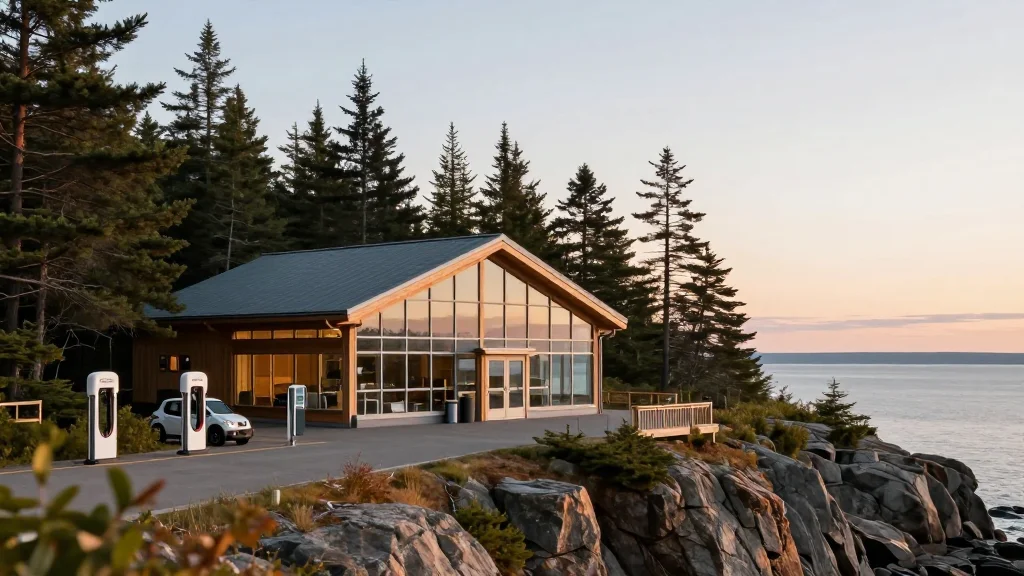
Acadia National Park Unveils $27.7 Million Sustainable Travel Hub

Why It Matters
The Gateway Center represents a tangible effort to reconcile growing visitor demand with the need to protect fragile ecosystems. By centralizing parking, providing electric‑vehicle infrastructure and promoting public transit, Acadia sets a precedent for sustainable tourism in protected areas. The project also illustrates how public‑private partnerships can mobilize federal, state and nonprofit resources to address climate and congestion challenges that many outdoor destinations face. For the broader outdoor community, the hub offers a blueprint for reducing the carbon footprint of recreation without sacrificing accessibility. As more parks grapple with overcrowding and emissions, Acadia’s approach could inform policy decisions, funding allocations and design standards nationwide.
Key Takeaways
- •$27.7 million Gateway Center officially reopened May 20, 2026
- •11,000‑sq‑ft facility includes 300 free parking spots, 18 EV chargers and 10 oversized‑vehicle spaces
- •Free Island Explorer bus links the hub to key trailheads and towns
- •Goal is to cut park‑inside vehicle miles by 15‑20 percent
- •Friends of Acadia and MaineDOT were key partners in the project
Pulse Analysis
Acadia’s Gateway Center arrives at a moment when national parks are under pressure to manage visitor overflow while meeting climate commitments. The hub’s intermodal design reflects a shift from car‑centric infrastructure toward multimodal access points that can be scaled across diverse landscapes. Historically, parks have relied on peripheral parking lots that simply push congestion onto nearby towns; Acadia’s model integrates transit, information services and electric‑vehicle support in a single node, creating a more seamless visitor experience.
From a financial perspective, the $27.7 million price tag—primarily funded by federal grants, state allocations and private donations—demonstrates that large‑scale sustainability projects are feasible when stakeholders align around a common goal. The involvement of Friends of Acadia underscores the growing influence of nonprofit advocacy groups in shaping park infrastructure, a trend that could accelerate as federal budgets tighten.
Looking ahead, the true test will be whether the hub can sustain high ridership and maintain low emissions throughout peak seasons. If usage data confirms a meaningful reduction in private‑vehicle traffic, other parks—from Yellowstone to the Great Smoky Mountains—may adopt similar hubs, leveraging federal transportation funds earmarked for green infrastructure. Acadia’s experience will likely become a case study in balancing visitor access, local economic benefit and ecological stewardship, informing both policy and design standards for the next generation of outdoor recreation facilities.
Acadia National Park Unveils $27.7 Million Sustainable Travel Hub
Comments
Want to join the conversation?
Loading comments...