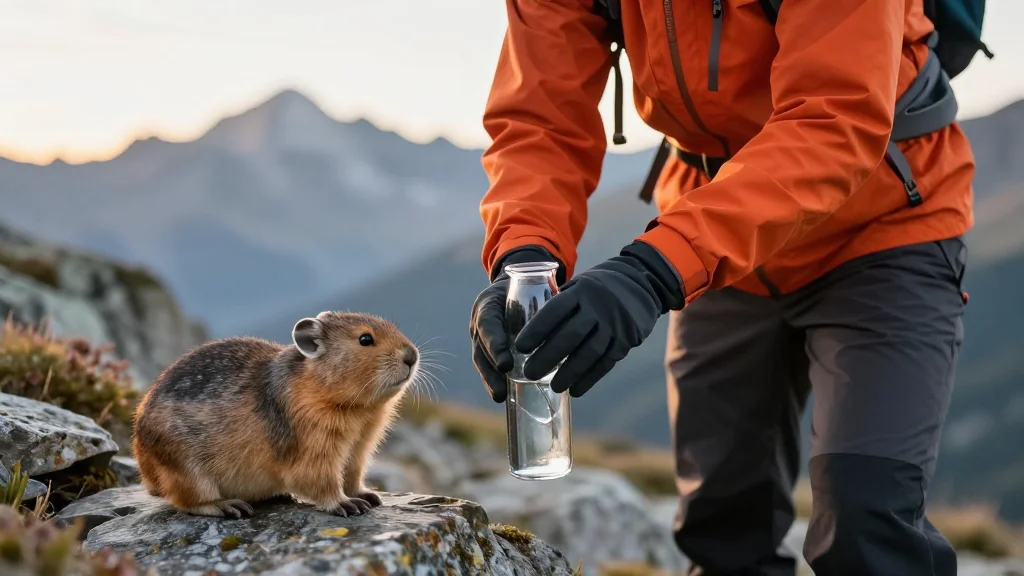
Adventure Scientists Mobilizes 10,000 Hikers to Gather Climate Data in Remote Wilderness

Why It Matters
The surge in volunteer‑driven data collection addresses a critical shortage of field observations in remote ecosystems, where traditional research teams are often hampered by budget constraints and logistical hurdles. By turning everyday hikers into citizen scientists, Adventure Scientists not only augments the scientific record but also deepens public understanding of climate impacts, fostering a stewardship ethic that can translate into broader support for conservation policies. In an era of dwindling federal research budgets, this model demonstrates a sustainable, community‑based approach to monitoring biodiversity and water quality, essential for adaptive management strategies. Moreover, the verified, high‑quality datasets generated by the program can inform climate‑risk assessments for vulnerable species like the pika, guide restoration efforts for degraded waterways, and provide baseline metrics for future ecological studies. The integration of such data into national monitoring systems could improve the precision of climate models and enhance the responsiveness of environmental regulations.
Key Takeaways
- •Adventure Scientists now has 10,000 trained volunteers across the U.S.
- •Volunteers collect data on climate‑sensitive pikas, water quality, and endangered flora.
- •Founder Gregg Treinish emphasizes protocol verification, including body‑cam footage.
- •Citizen‑science data meets research‑quality standards, supporting peer‑reviewed studies.
- •The nonprofit aims to add 5,000 volunteers by end‑2026 and expand tech‑enabled training.
Pulse Analysis
Adventure Scientists exemplifies a broader shift toward decentralized, community‑powered research that leverages the growing popularity of outdoor recreation. Historically, field data collection has been the domain of academic labs and government agencies, but rising participation in trail activities creates a latent workforce ready to contribute scientific observations. By formalizing training and quality‑control mechanisms, the nonprofit mitigates the traditional concerns about data reliability that have limited citizen‑science initiatives.
The organization’s growth also reflects a market response to fiscal pressures on federal science programs. As agencies trim budgets, NGOs and private entities are stepping in to fill the void, and Adventure Scientists’ model offers a cost‑effective alternative that scales with public interest. This could spur competitive dynamics, prompting other nonprofits to develop similar volunteer networks or encouraging tech firms to supply low‑cost sensors tailored for citizen use.
Looking forward, the integration of advanced tools—drones, portable sequencers, AI‑driven image analysis—could exponentially increase the resolution and scope of volunteer‑collected data. If these technologies are paired with robust data‑management platforms, the resulting datasets could become indispensable for policymakers, offering real‑time insights into ecosystem health. The key challenge will be maintaining data integrity as the volunteer base expands, but Adventure Scientists’ emphasis on protocol framing and verification suggests a viable path forward.
Adventure Scientists Mobilizes 10,000 Hikers to Gather Climate Data in Remote Wilderness
Comments
Want to join the conversation?
Loading comments...