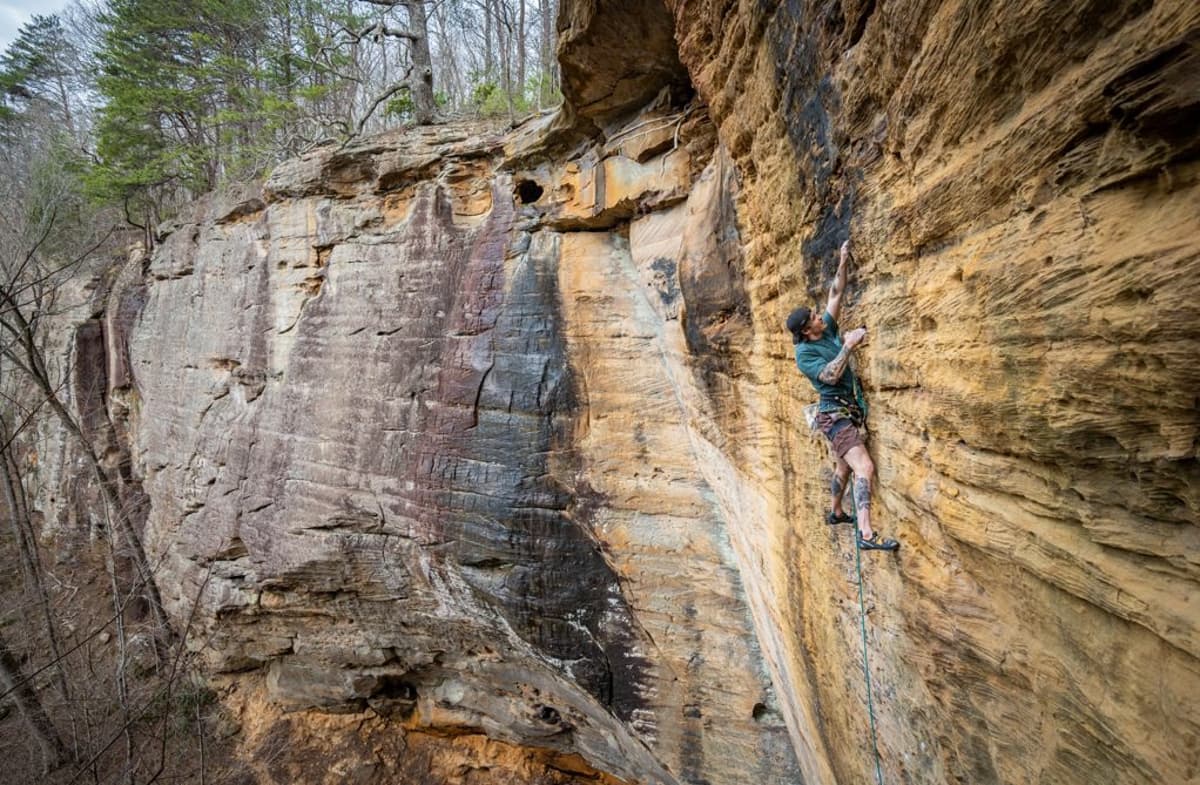
After 22-Year Closure, Red River Gorge Climbers Restore Access to 80 Routes
Why It Matters
Restoring access revives a premier climbing destination, boosting local tourism and preserving a historic outdoor recreation asset. The deal demonstrates how sustained community advocacy can overcome long‑standing land‑use barriers.
Key Takeaways
- •80 routes reopened after 22-year closure in Red River Gorge
- •Three‑year renewable lease secured with landowner Lori Morel
- •Fundraiser targets $60,000 for route development and safety upgrades
- •Coalition’s 30th anniversary underscores long‑term community persistence
Pulse Analysis
The Red River Gorge, long celebrated for its sandstone sport climbs, has been partially off‑limits since 2004 when a new landowner posted "No Climbing" signs. Over the past two decades, the Red River Gorge Climbers’ Coalition (RRGCC) kept the issue alive through outreach, legal research, and persistent dialogue with successive owners. Their effort illustrates a broader trend in outdoor recreation: user groups increasingly act as stewards, negotiating access while respecting private property rights. By finally securing a renewable lease, the coalition not only restores physical access but also validates a model of collaborative land management that other climbing regions can emulate.
The lease agreement with Lori Morel, a recent landowner open to dialogue, reflects a shift from adversarial standoffs to partnership‑based solutions. The three‑year renewable term provides stability for route maintenance, safety improvements, and the eventual reopening of classic lines like Oil Crack and Arena. For the climbing industry, the reopening translates into renewed revenue streams for local guide services, gear retailers, and hospitality businesses that depend on seasonal influxes of climbers. Moreover, the RRGCC’s success underscores the economic leverage of well‑organized user groups, reinforcing the argument that access preservation is a viable component of regional development strategies.
Looking ahead, the coalition faces the practical challenge of preparing the crags for safe public use. Their $60,000 fundraising campaign aims to fund trail work, bolting, and signage ahead of a projected Fall 2026 launch. Successful fundraising will not only expedite the reopening but also set a precedent for community‑funded infrastructure in remote outdoor sites. As climate change and land‑use pressures intensify, the Red River Gorge case offers a blueprint for how persistent advocacy, strategic negotiation, and targeted investment can safeguard beloved recreation assets for future generations.
After 22-year closure, Red River Gorge climbers restore access to 80 routes
Comments
Want to join the conversation?
Loading comments...