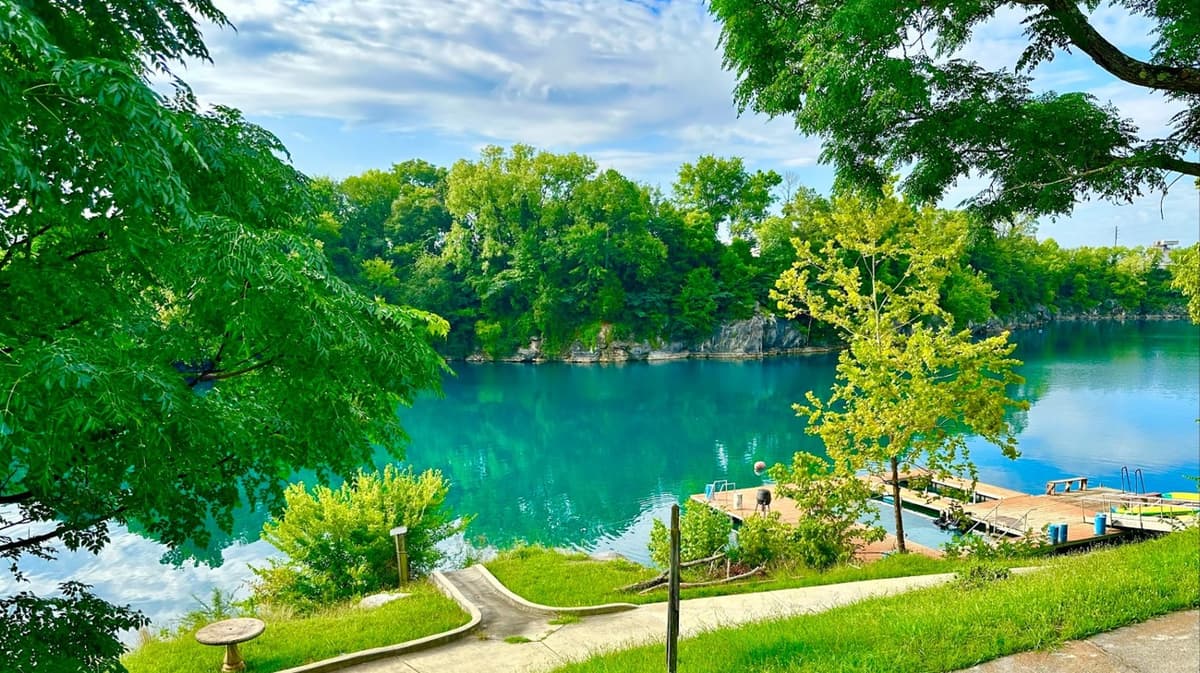
Alabama's Once-Active Quarry Is Now A Premier Scuba Diving Destination With Caribbean Turquoise Waters
Why It Matters
The site expands the market for scuba tourism beyond coastal regions, generating local economic activity and offering landlocked divers high‑quality training and dive experiences. Its success demonstrates how repurposed industrial sites can create niche recreational economies.
Key Takeaways
- •Blue Water Park offers dives up to 140 feet deep.
- •Visibility ranges from 25 feet in summer to 100 feet in winter.
- •Paddle board rentals cost $20 per hour; entry fee $10.
- •Open Water, Advanced, Rescue, Enriched Air, and Dive Master courses offered.
- •Park closes winter months Dec‑Mar; appointments available for groups.
Pulse Analysis
The conversion of a 1950s mining quarry into Blue Water Park illustrates a growing trend of repurposing industrial landscapes for adventure tourism. By flooding the abandoned pit after a spring breach, the site now mimics a Caribbean lagoon, delivering water clarity and depth rarely found inland. This unique environment attracts both novice and technical divers, filling a geographic gap for Midwestern enthusiasts who previously faced long trips to coastal waters. The park’s ability to simulate exotic conditions while remaining within a two‑hour drive of major Alabama cities underscores its strategic advantage in the niche scuba market.
Beyond the underwater allure, Blue Water Park functions as a comprehensive training hub. Certified instructors deliver the full PADI curriculum, from Open Water to Dive Master, while on‑site gear rentals eliminate the need for divers to transport bulky equipment. Surface activities such as paddle‑boarding and kayaking diversify revenue streams and broaden appeal to families and non‑divers. The ancillary boost to nearby hospitality—hotels like Best Western Plus, Hampton Inn, and boutique rentals—creates a micro‑economy that benefits Pelham’s service sector, reinforcing the park’s role as a regional tourism catalyst.
Seasonal closure from December through March presents both a limitation and an opportunity. While winter downtime restricts revenue, it allows the facility to perform maintenance, upgrade safety systems, and host group appointments that keep staff engaged. As coastal destinations remain the gold standard for tropical diving, Blue Water Park’s Caribbean‑like experience offers a cost‑effective alternative, especially for budget‑conscious or time‑pressed divers. Continued investment in underwater attractions and marketing could position the park as a flagship example of how inland dive sites can compete with traditional seaside locales, driving sustained growth in the domestic scuba industry.
Alabama's Once-Active Quarry Is Now A Premier Scuba Diving Destination With Caribbean Turquoise Waters
Comments
Want to join the conversation?
Loading comments...