Algarve’s Walking Festival Ameixial Launches Spring “Shoe Season”

Why It Matters
The Walking Festival Ameixial illustrates how outdoor tourism can reshape a region’s identity. By spotlighting walking routes in the Serra do Caldeirão, the event challenges the Algarve’s beach‑centric brand and offers a sustainable alternative that benefits rural economies. This shift aligns with a global trend toward experiential travel, where visitors prioritize authentic engagement with nature and culture over conventional leisure activities. For the broader outdoors sector, the festival serves as a case study in leveraging local geography to create niche tourism products. It demonstrates that even well‑known destinations can diversify their offerings, attract new visitor segments, and extend the tourist season. As climate concerns and traveler preferences evolve, such low‑impact, community‑focused events may become essential tools for destinations seeking resilience and relevance.
Key Takeaways
- •The Walking Festival Ameixial opens its three‑day spring program in Serra do Caldeirão.
- •The event marks the start of the Algarve’s “shoe season,” a period focused on walking tourism.
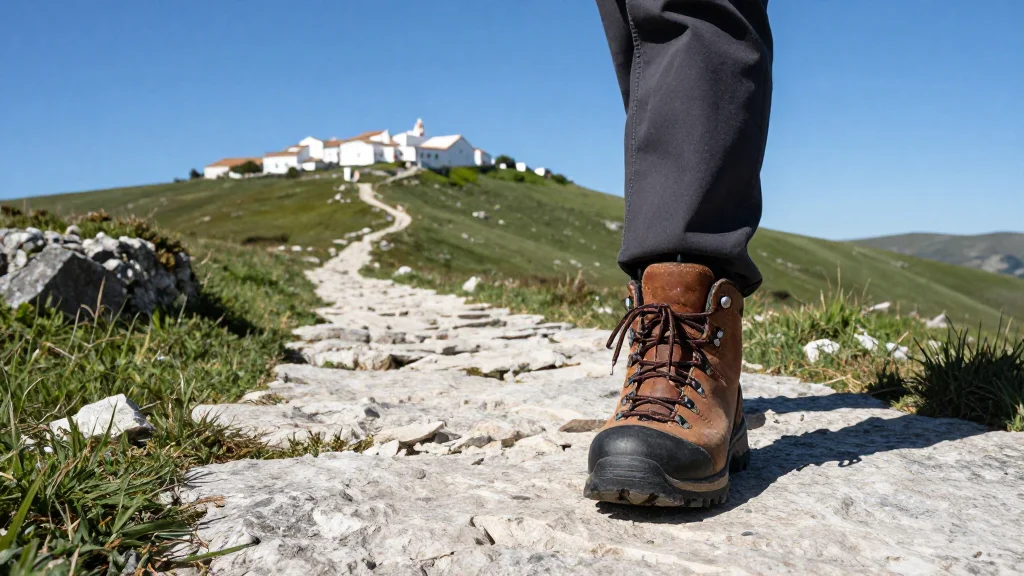
- •Festival promotes slow‑travel experiences on gentle hills, dirt paths, and historic villages.
- •Organizers describe the festival as a “laboratory of slowness,” contrasting with beach tourism.
- •The three‑day format includes guided hikes, cultural immersion, and community celebrations.
Pulse Analysis
The Algarve has long been synonymous with sun‑and‑sand vacations, but the Walking Festival Ameixial signals a strategic pivot toward diversified, experience‑driven tourism. Historically, the region’s economy hinged on seasonal beach traffic, which left inland communities under‑served. By branding a spring “shoe season,” local stakeholders are extending the tourism calendar, smoothing demand fluctuations, and creating new revenue streams for villages that were previously off the tourist radar.
From a market perspective, the festival taps into the growing demand for low‑impact, health‑oriented travel. Data from European tourism bodies show a steady rise in walking and hiking trips, especially among younger, environmentally conscious travelers. Ameixial’s emphasis on “slow travel” aligns with this demand while also differentiating the Algarve from other Mediterranean beach destinations that compete primarily on sun and nightlife.
Looking ahead, the festival’s success could inspire a network of similar events across Portugal’s interior, fostering a regional walking corridor that links multiple villages and natural sites. Such a corridor would not only boost local economies but also reinforce Portugal’s reputation as a leader in sustainable tourism. However, scaling the model will require careful management of visitor numbers to preserve the very authenticity that makes the festival appealing. Balancing growth with conservation will be the next critical challenge for organizers and policymakers alike.
Algarve’s Walking Festival Ameixial Launches Spring “Shoe Season”
Comments
Want to join the conversation?
Loading comments...