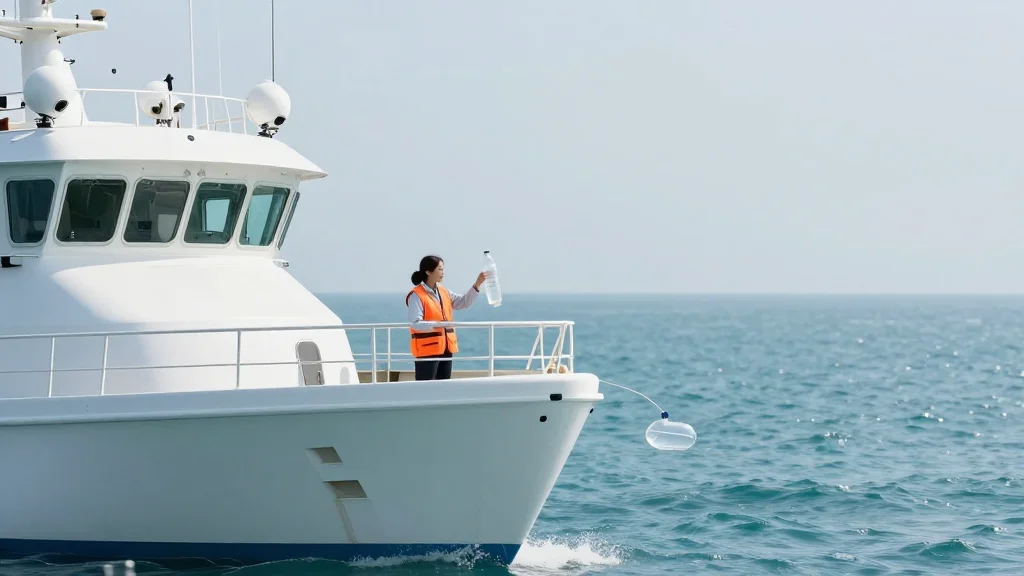
All-Female eXXpedition Sets Sail From New Zealand to Map Ocean Plastic Sources

Why It Matters
Plastic pollution threatens marine biodiversity, undermines fisheries and jeopardizes the health of coastal recreation areas that are central to the outdoors community. By pinpointing the sources of debris, the eXXpedition data can help governments prioritize waste‑management upgrades, enforce stricter product bans and empower local clean‑up initiatives. Moreover, the all‑female, culturally diverse crew showcases the growing role of women and indigenous voices in environmental science, encouraging broader participation in outdoor research and stewardship. The open‑source nature of the dataset means that citizen scientists, NGOs and academic institutions can build on the findings, fostering a collaborative ecosystem of monitoring and mitigation. As climate change intensifies ocean currents, understanding how plastics travel from New Zealand’s coasts to remote Antarctic waters becomes critical for protecting fragile ecosystems and preserving the wilderness experiences that outdoor enthusiasts cherish.
Key Takeaways
- •eXXpedition launched an all‑female research voyage from Auckland on Monday
- •Mission leader Rowan Henthorn highlighted Great Barrier Island as a natural plastic funnel
- •Research lead Taylor Maddalene will use FTIR spectroscopy to identify polymer types
- •Māori graduate Rāwinia Wikaira joins as the first indigenous participant on the vessel
- •All findings will be uploaded to an open‑source database for global access
Pulse Analysis
The eXXpedition initiative arrives at a moment when governments worldwide are tightening single‑use plastic bans, yet enforcement gaps remain, especially in remote island nations. By coupling high‑resolution polymer analysis with geographic mapping, the expedition offers a data‑driven bridge between scientific insight and policy action. Historically, plastic‑tracking studies have relied on satellite imagery or bulk sampling; the FTIR approach adds a forensic layer that can attribute debris to specific product categories, making it easier to hold manufacturers accountable.
From a market perspective, the voyage underscores a shift toward purpose‑driven branding in the outdoor and adventure sectors. Companies that sponsor or partner with such expeditions can demonstrate tangible environmental impact, a narrative increasingly demanded by consumers. At the same time, the inclusion of a Māori graduate signals a broader industry trend toward authentic community engagement, moving beyond tokenism to integrate indigenous knowledge systems into scientific methodology.
Looking ahead, the open‑source dataset could become a cornerstone for predictive modeling of plastic dispersion under various climate scenarios. If policymakers adopt the expedition’s findings, we may see targeted infrastructure investments—such as improved waste capture at Great Barrier Island’s inlet—paired with stricter import controls on high‑risk polymers. The success of this all‑female, cross‑cultural crew could also inspire similar expeditions in other regions, amplifying the global effort to clean the oceans while reinforcing the role of women and indigenous peoples in leading that charge.
All-Female eXXpedition Sets Sail from New Zealand to Map Ocean Plastic Sources
Comments
Want to join the conversation?
Loading comments...