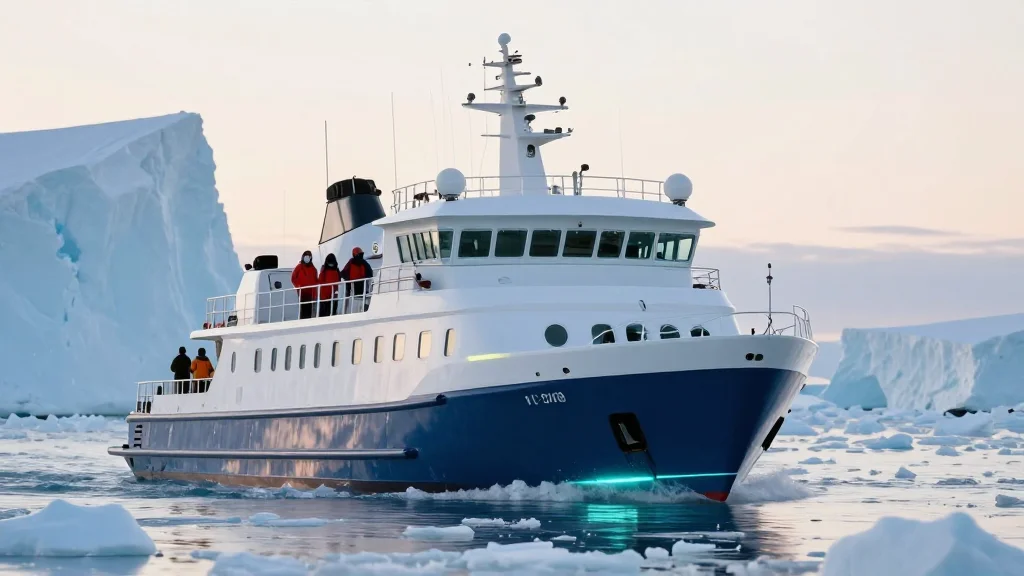
Antarctica21 Hits 92% Occupancy and Unveils First South American Hybrid‑Electric Polar Ship

Why It Matters
Antarctica21’s record occupancy signals that demand for Antarctic experiences is outpacing supply, pressuring operators to expand capacity without compromising the continent’s fragile environment. The introduction of a hybrid‑electric vessel demonstrates that high‑volume tourism can coexist with carbon‑neutral initiatives, potentially reshaping industry standards and influencing policy discussions within IAATO and national regulators. The successful use of synthetic e‑fuel and solar power at the Explorers House also showcases a replicable model for on‑site renewable energy in remote locations. As climate‑focused travelers increasingly prioritize low‑impact options, Antarctica21’s approach could become a competitive differentiator, prompting other cruise lines to accelerate investments in hybrid or fully electric technologies.
Key Takeaways
- •Antarctica21 sold 92% of its berth inventory for the 2025‑26 season.
- •2,847 travelers from 53 nationalities participated in 42 voyages.
- •Magellan Discoverer, the first hybrid‑electric polar ship built in South America, will debut in 2026‑27.
- •Synthetic e‑fuel powered Zodiacs and a solar‑panel system supplied 52% of Explorers House energy.
- •Guests contributed over USD 100,000 to the Antarctica21 Foundation for community and science projects.
Pulse Analysis
Antarctica21’s dual achievement—record occupancy and a pioneering hybrid‑electric vessel—highlights a turning point where market demand and sustainability are no longer at odds but are becoming mutually reinforcing. Historically, Antarctic tourism grew slowly, constrained by strict visitor caps and limited infrastructure. The air‑cruise model disrupted that paradigm by offering a faster, more comfortable entry point, which in turn attracted a broader, wealthier clientele. The 92% fill rate suggests the model has reached a critical mass where capacity constraints could become the next bottleneck.
The hybrid‑electric Magellan Discoverer serves as a tangible response to that bottleneck, allowing the operator to increase passenger numbers without proportionally raising emissions. By integrating battery storage with conventional propulsion, the ship can operate on electric power during sensitive periods—such as navigating near wildlife colonies—thereby reducing acoustic disturbance and exhaust output. This technology could set a de‑facto standard for IAATO’s future environmental guidelines, especially as other operators scramble to meet rising consumer expectations for green travel.
Looking forward, the real test will be whether the hybrid platform can deliver on its promised efficiency gains at scale. If successful, Antarctica21 may catalyze a wave of retrofits and new builds across the polar cruise sector, accelerating the transition to low‑impact tourism. Conversely, if operational challenges arise—such as limited battery range in extreme cold—the industry could see a slowdown in hybrid adoption, reinforcing reliance on traditional diesel vessels. Stakeholders should monitor the upcoming sea trials, IAATO certification outcomes, and guest feedback closely, as these will shape the next chapter of Antarctic tourism and its environmental stewardship.
Antarctica21 Hits 92% Occupancy and Unveils First South American Hybrid‑Electric Polar Ship
Comments
Want to join the conversation?
Loading comments...