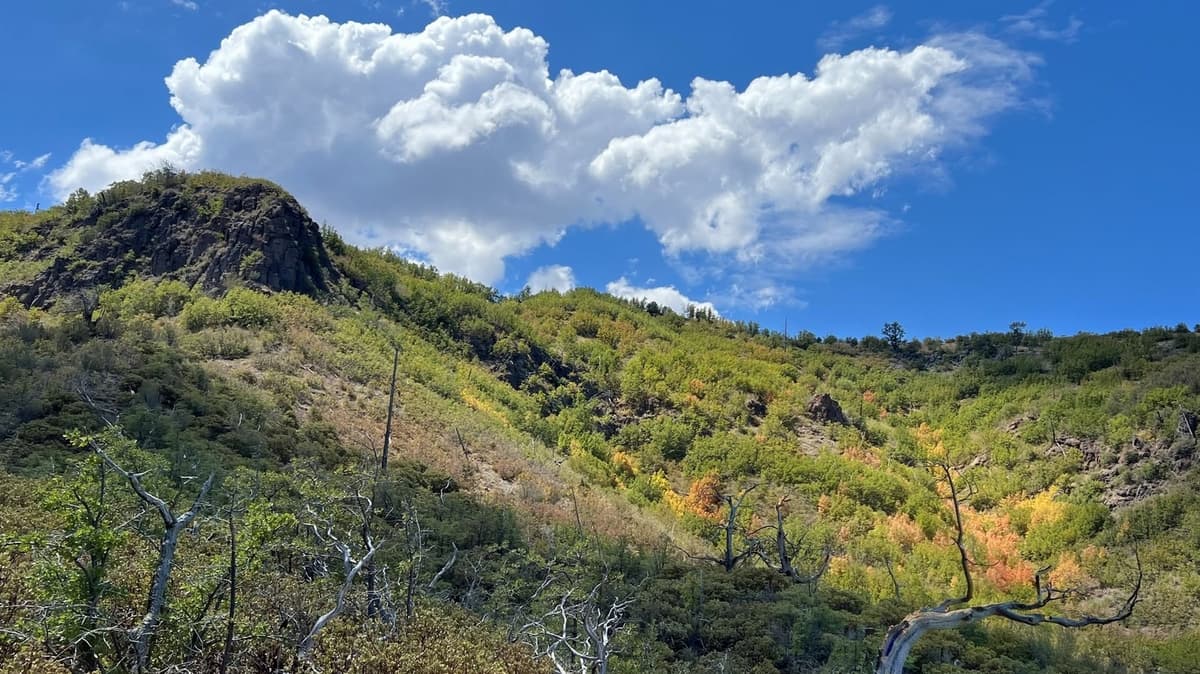
Arizona's Rugged Wilderness Area Has Gorgeous Mountain Trails And Scenic Camping Spots
Companies Mentioned
Why It Matters
Mazatzal’s accessibility fuels regional tourism, generating significant economic activity while preserving a unique, multi‑ecosystem wilderness that supports biodiversity and sustainable outdoor recreation.
Key Takeaways
- •Mazatzal spans 252,500 acres with 240 miles of trails.
- •Over 40 hiking routes, including 6.2‑mile Barnhardt Waterfall trail.
- •Home to diverse wildlife: mule deer, bald eagles, bears.
- •Two hours from Phoenix, it drives regional outdoor tourism.
- •Primitive camping lacks facilities, emphasizing Leave No Trace principles.
Pulse Analysis
The Mazatzal Wilderness, covering roughly 252,500 acres in central Arizona, blends desert, pine forest, and alpine terrain into a single, federally protected landscape. With 240 miles of rugged trails and more than 40 distinct routes—including the popular 6.2‑mile Barnhardt Trail waterfall hike—the area offers a rare combination of high‑desert scenery and snow‑capped peaks. This ecological diversity attracts backpackers, hikers, and wildlife observers seeking solitude within a two‑hour drive from Phoenix, positioning Mazatzal as a premier destination in the Southwest’s outdoor‑recreation portfolio.
The proximity of Mazatzal to the resort town of Payson fuels a modest but growing tourism economy. Visitors often spend on full‑service campgrounds, local dining, and outdoor‑gear retailers, generating an estimated $15 million in annual revenue for the region. This influx supports seasonal employment and encourages infrastructure upgrades, such as improved road access and broadband connectivity, which benefit both residents and remote workers attracted by the area’s natural amenities. As adventure travel trends favor authentic, off‑the‑beaten‑path experiences, Mazatzal’s blend of accessibility and wilderness is likely to attract higher‑spending clientele.
Because Mazatzal is a designated wilderness since 1940, it remains free of permanent structures and motorized use, reinforcing strict Leave No Trace stewardship. This preservation model safeguards habitats for species such as mule deer, bald eagles, and black bears while maintaining the scenic quality that draws visitors. Federal agencies and local NGOs collaborate on trail maintenance and fire‑risk mitigation, ensuring the area can accommodate increasing foot traffic without degrading its ecological integrity. Looking ahead, responsible tourism and climate‑adaptation strategies will be essential to keep Mazatzal a viable asset for both conservation and the regional economy.
Arizona's Rugged Wilderness Area Has Gorgeous Mountain Trails And Scenic Camping Spots
Comments
Want to join the conversation?
Loading comments...