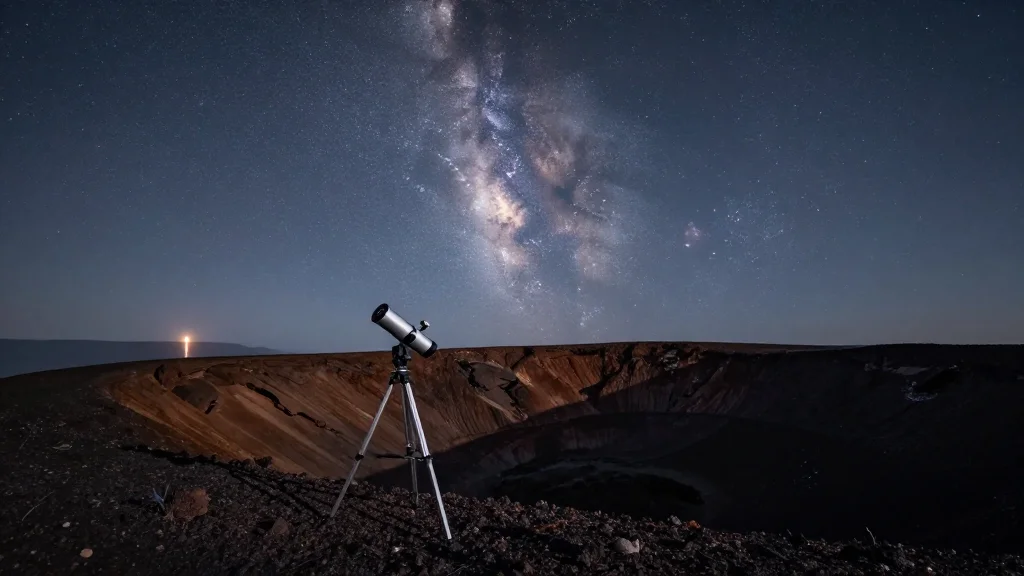
Artemis II Launch Sparks Surge in Space‑Themed Outdoor Adventures Across the Southwest

Why It Matters
The Artemis II‑driven boom illustrates how high‑profile space missions can reshape regional tourism, turning remote geological sites into themed destinations. For the outdoor sector, this creates new revenue streams but also raises stewardship challenges: increased visitation threatens fragile ecosystems and historic training grounds. The trend also signals a broader cultural shift, where space exploration is no longer confined to launch pads but becomes a lens through which people experience Earth’s own wilderness. If managed responsibly, the synergy between space enthusiasm and outdoor recreation could fund conservation projects, support local economies, and deepen public appreciation for both planetary science and natural heritage. Conversely, unchecked growth could erode the very landscapes that give these experiences their authenticity, underscoring the need for coordinated policy between federal agencies, local governments and industry stakeholders.
Key Takeaways
- •Artemis II launched April 1, 2026; splashdown expected off San Diego coast this Friday.
- •Cinder Hills OHV Area, a former NASA training site, now marketed as a lunar‑landscape off‑road destination.
- •White Sands National Park offers dune sledding tours linked to its V‑2 rocket history.
- •International Dark Sky Week (April 11‑18) features multiple stargazing events across San Diego County.
- •Conservation groups urge path restrictions to protect fragile habitats and historic artifacts.
Pulse Analysis
The rapid rollout of space‑themed outdoor products after Artemis II reflects a classic pattern: a high‑visibility scientific event creates a cultural ripple that the tourism industry quickly monetizes. Historically, the Apollo era sparked a wave of “Moon‑landing” memorabilia and themed attractions, but the current wave is more geographically focused, leveraging actual historic sites rather than generic branding. This authenticity adds a premium appeal, allowing operators to charge higher rates for guided hikes through Cinder Hills or night‑sky tours at Palomar.
However, the model also inherits the pitfalls of heritage tourism. The very sites being promoted—volcanic craters, desert dunes, former missile ranges—are ecologically sensitive and often lack the infrastructure to handle a sudden influx of visitors. The Forest Service’s advisory on Cinder Hills underscores a growing tension between economic opportunity and preservation. If agencies fail to implement visitor caps, trail reinforcement and interpretive signage, the long‑term degradation could diminish the sites’ appeal and erode public goodwill.
Looking ahead, the outdoor industry may need to institutionalize partnerships with federal land managers, creating joint stewardship programs funded by a portion of tourism revenues. Such collaborations could fund trail maintenance, habitat restoration and educational outreach that ties the space narrative to Earth science. Moreover, as NASA plans additional Artemis flights and eventually lunar landings, the market for “space‑ground” experiences is likely to expand beyond the Southwest, potentially spawning a national network of astronaut‑training heritage trails. The key for industry leaders will be to scale responsibly, turning the Artemis excitement into a sustainable asset rather than a fleeting fad.
Artemis II Launch Sparks Surge in Space‑Themed Outdoor Adventures Across the Southwest
Comments
Want to join the conversation?
Loading comments...