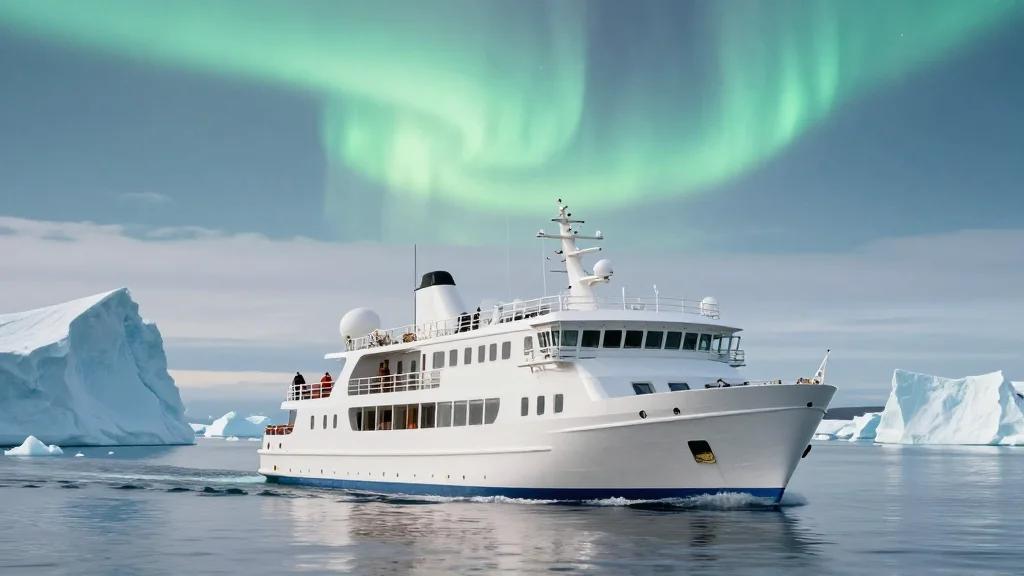
Atlas Ocean Voyages Launches 13‑Itinerary 2028 Arctic Expedition Season

Why It Matters
The launch of a full Arctic season by a major expedition operator signals a pivotal moment for high‑latitude tourism. By offering a comprehensive suite of itineraries across four distinct Arctic regions, Atlas Ocean Voyages is poised to attract a new wave of affluent travelers, potentially injecting significant revenue into remote port economies and supporting local service providers. At the same time, the expansion intensifies scrutiny on the environmental footprint of cruise‑style expeditions, prompting industry stakeholders to refine best‑practice guidelines for wildlife protection, waste management and carbon mitigation. The balance struck between growth and stewardship will influence regulatory approaches and set precedents for future Arctic tourism ventures. Moreover, the inclusion of cultural immersion components—such as visits to the Global Seed Vault and Inuit communities—highlights a growing demand for authentic, educational travel experiences. This trend could reshape how operators design itineraries, placing greater emphasis on community partnership and knowledge exchange, thereby fostering a more sustainable tourism model that benefits both visitors and host regions.
Key Takeaways
- •13 new Arctic itineraries ranging from 7‑17 nights
- •Sailed on World Navigator and World Voyager expedition yachts
- •Complimentary private charter flights from Oslo and Toronto to Longyearbyen and Churchill
- •Explorer's Choice amenity package includes up to $1,500 air credit, unlimited Wi‑Fi or pre‑expedition hotel stay
- •Wildlife highlights include beluga whales, polar bears, walrus colonies and visits to remote Inuit communities
Pulse Analysis
Atlas Ocean Voyages’ 2028 season reflects a broader shift in the expedition market toward integrated, high‑value offerings that bundle transportation, accommodation and experiential perks. By bundling private charter flights and pre‑expedition hotel nights, the company reduces logistical friction for guests, a strategy that competitors like Quark Expeditions and Lindblad have begun to emulate. This all‑inclusive approach also simplifies carbon accounting, allowing travelers to offset a single, consolidated footprint rather than multiple, fragmented emissions sources.
From a competitive standpoint, the decision to focus on four Arctic regions diversifies risk and taps into distinct market segments. Svalbard’s mining heritage, Greenland’s isolated Inuit villages, Iceland’s volcanic landscapes, and Canada’s pristine tundra each attract niche interest groups—from wildlife photographers to cultural historians. This geographic spread may shield Atlas from regional regulatory shocks, such as stricter emissions caps in European waters, while capitalizing on the growing appetite for off‑the‑beaten‑path experiences.
Looking forward, the success of the 2028 season will hinge on the operator’s ability to manage environmental impact without compromising the luxury experience that defines its brand. If Atlas can demonstrate measurable reductions in waste and emissions while delivering memorable, low‑impact excursions, it could set a new benchmark for sustainable Arctic tourism. Conversely, any missteps—such as overcrowding sensitive habitats or failing to honor community agreements—could trigger backlash from NGOs and regulators, potentially curbing future growth. The upcoming 2027 pricing announcement and the company’s monitoring framework will be critical indicators of how well it balances commercial ambition with ecological responsibility.
Atlas Ocean Voyages Launches 13‑Itinerary 2028 Arctic Expedition Season
Comments
Want to join the conversation?
Loading comments...