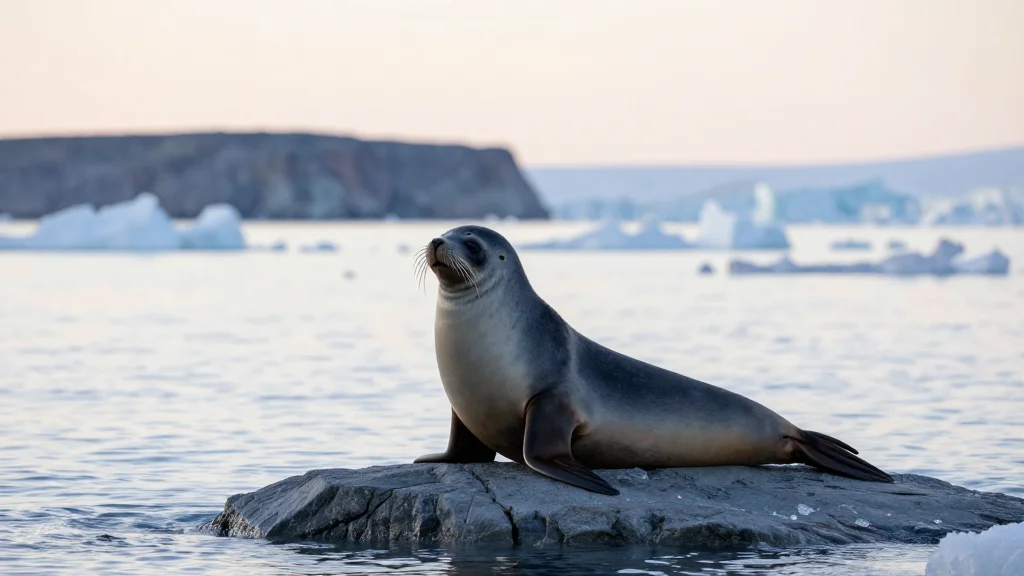
Australia Triples Macquarie Island Marine Park to 475,000 Sq Km, 93% Fully Protected

Why It Matters
The Macquarie Island Marine Park expansion represents a decisive step toward safeguarding one of the Southern Ocean’s most productive ecosystems, directly influencing the health of global fish stocks and migratory species that travel across ocean basins. For outdoor enthusiasts, the protection of pristine marine habitats ensures that future generations can experience world‑class wildlife viewing, scientific tourism and low‑impact recreation in a region that has long been a benchmark for wilderness. Beyond the immediate ecological benefits, the policy underscores a broader shift in how governments balance conservation with limited commercial use. By carving out a small, managed fishery zone within a largely untouched sanctuary, Australia is testing a model that could be replicated in other remote marine areas, potentially reshaping the economics of offshore fishing and the regulatory landscape for emerging industries such as deep‑sea mining.
Key Takeaways
- •Australia expanded the Macquarie Island Marine Park to 475,465 sq km, nearly tripling its size.
- •93 % of the park is now a fully protected sanctuary zone where extractive activities are banned.
- •The expansion took legal effect on 1 July 2023 and covers almost the entire Australian EEZ around the island.
- •A 7 % zone remains open for tightly managed uses, including the Patagonian toothfish fishery.
- •The park now ranks among the world’s largest highly protected marine areas, larger than Germany.
Pulse Analysis
Australia’s decision to dramatically enlarge the Macquarie Island Marine Park reflects a growing consensus that large, contiguous marine protected areas (MPAs) are more effective at preserving ecosystem function than fragmented, smaller reserves. Historical attempts at marine conservation often suffered from loopholes and weak enforcement, but the sanctuary‑zone model—covering 93 % of the park—creates a de‑facto reference ecosystem that can serve as a baseline for scientific studies on climate resilience and species recovery.
Economically, the move sends a clear signal to the global fishing industry that high‑value, low‑impact fisheries can coexist with strict protection regimes. The limited toothfish zone demonstrates a pragmatic compromise, preserving a lucrative market while safeguarding the surrounding biodiversity. However, the success of this balance hinges on robust monitoring technology and international cooperation to prevent illegal, unreported, and unregulated (IUU) fishing—a persistent challenge in remote Southern Ocean waters.
Looking forward, the Macquarie expansion could catalyze a wave of similar high‑latitude MPAs, especially as nations grapple with the dual pressures of climate change and increasing demand for marine resources. If the forthcoming five‑year monitoring report shows measurable gains in species abundance and habitat health, it could provide the empirical backing needed to justify further large‑scale marine closures worldwide, reshaping the future of ocean governance and outdoor recreation in the most remote corners of the planet.
Australia Triples Macquarie Island Marine Park to 475,000 sq km, 93% Fully Protected
Comments
Want to join the conversation?
Loading comments...